Layered
60 Short Layered Haircuts for 2026
A fresh 2026 lineup of short layered cuts for fine, thick, straight, wavy, and curly hair, with face-shape tips and honest upkeep notes.

Updated February 27, 2025

A fresh 2026 lineup of short layered cuts for fine, thick, straight, wavy, and curly hair, with face-shape tips and honest upkeep notes.
Ask a stylist for more movement or lift, and they'll almost always recommend a short layered cut. Layers do what length can't: create volume in fine hair and ease heaviness in thick hair. Here you'll find 60 up-to-date variations sorted by cut family, hair type, and 2026 color, each with a note on who each one suits and what to ask for during your appointment.
This lineup covers the styles everyone is asking for this year, including the bixie, the newer trixie, the precision French bob, the structured blunt bob, the short shag, the sculpted curly pixie, and the razor crop. What connects them is layering, and the best method always depends on your texture, density, and face shape.
What changed for 2026: the look has moved away from heavy, over-thinned texture toward organic, lived-in movement and "expensive" precision. Razor cutting is back for fluidity, layers are being placed deliberately at the cheekbone to flatter bone structure, and color has shifted to glossy, low-contrast tones — butter blonde, lush truffle brunette, and seamless bronde melts that grow out without a hard line.
| Style Family | Best For | Maintenance | Avoid If |
|---|---|---|---|
| Bixie / pixie bob | Fine to medium hair, oval and round faces | Trim every 5–6 weeks | You dislike frequent salon visits |
| Layered pixie | Fine hair needing lift, low styling time | Trim every 4–6 weeks | You want length flexibility soon |
| Short layered bob | Most face shapes, straight to wavy hair | Trim every 6–8 weeks | Hair is very fine and goes flat at ends |
| Short shag / crop | Thick or wavy hair, square and round faces | Trim every 8–10 weeks | You prefer a sleek, polished finish |
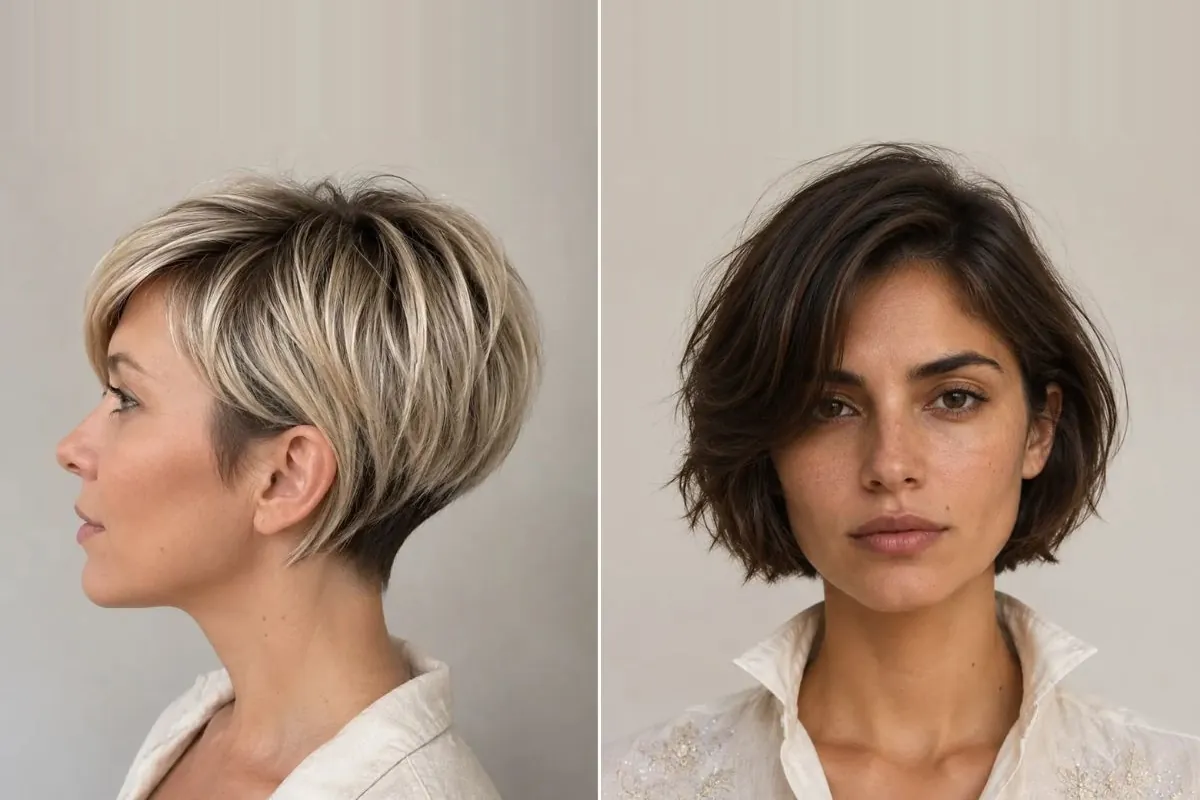
The bixie, a middle ground between a pixie and a bob, is still the most popular short cut for 2026 and has inspired a whole family of variations. These hybrids keep the easy care of a pixie, but offer enough top length to style with movement, much like a classic pixie bob. They are especially good for fine hair because the stacked back builds height where it is needed most.
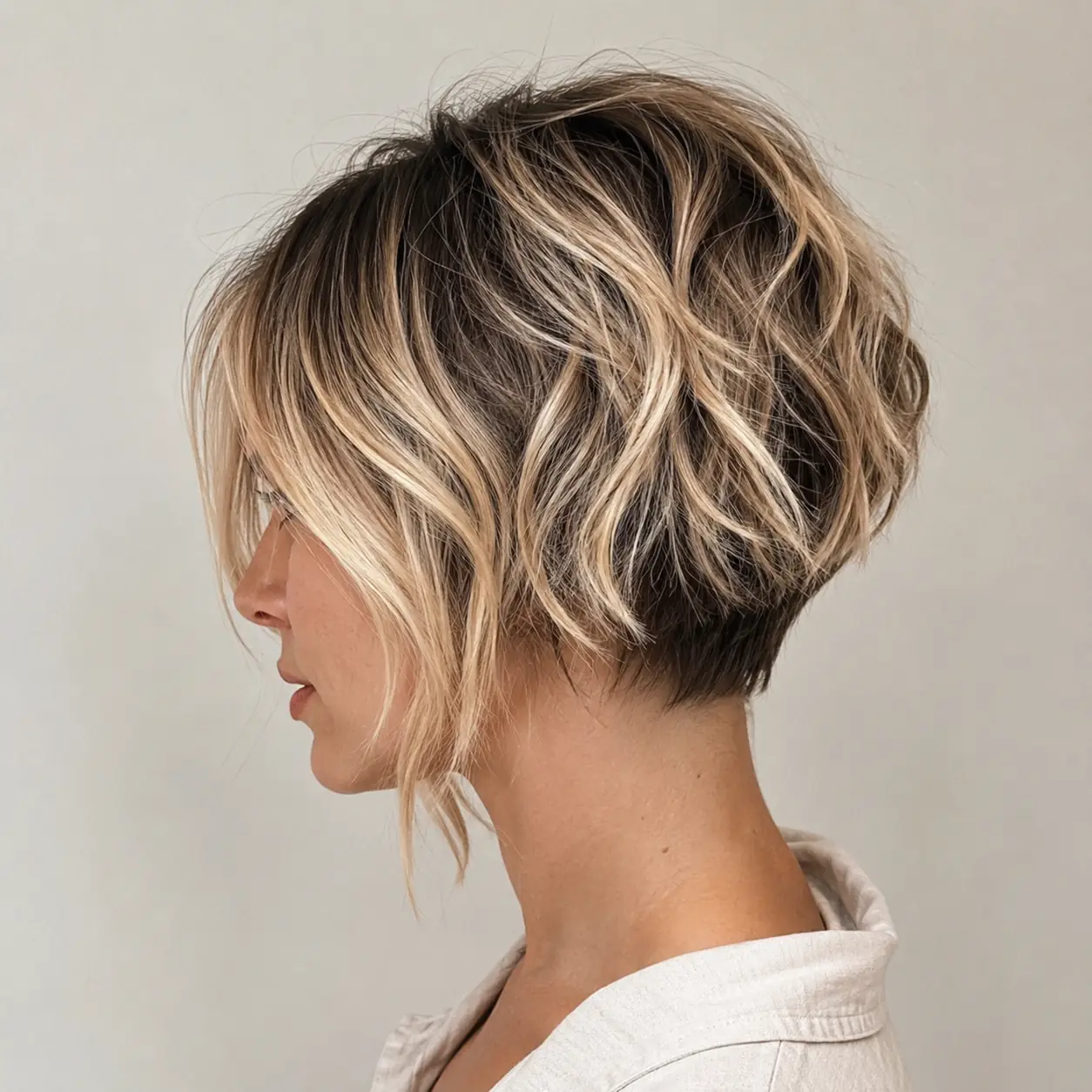
A bixie has the cropped nape of a pixie with the longer, layered top of a bob. It's a perfect wash-and-go cut for weekdays with enough length to texturize on weekends. A shadow root under butter blonde or bronde lengths makes the crown look fuller and blurs the grow-out so you can stretch the time between appointments. Best on fine to medium hair that needs visible lift at the roots.
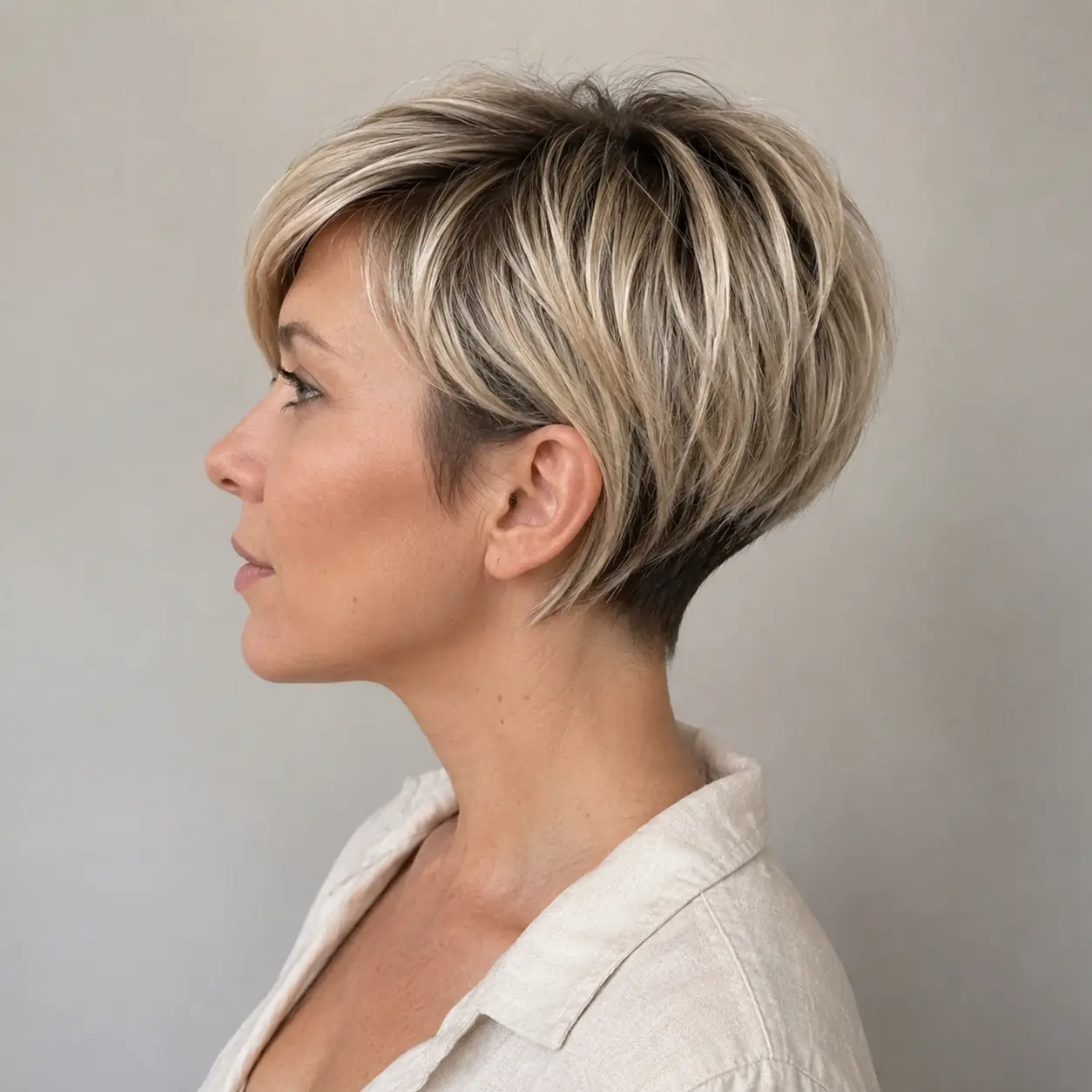
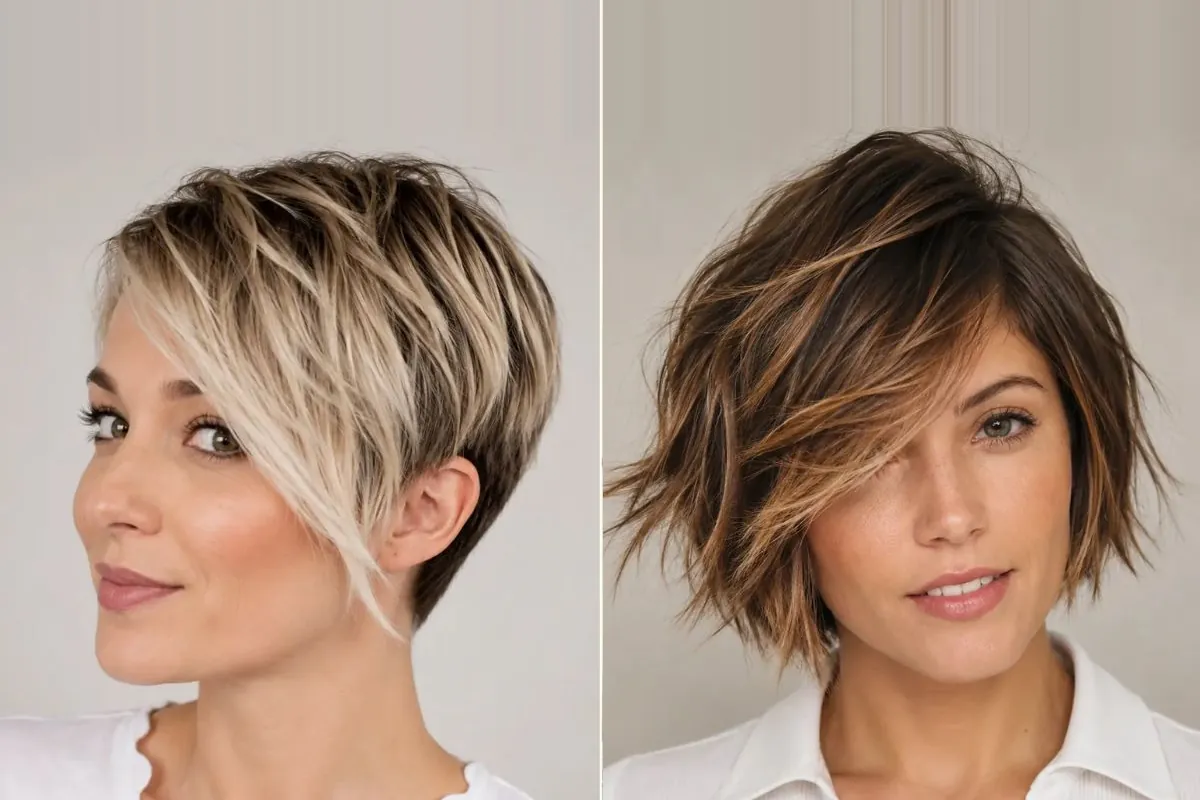
Close tapering at the sides and nape paired with textured layers on top gives this cut its face-hugging shape that stylists are loving this year. Ask for a tapered bixie with textured layers on top and show your stylist a photo, because even slight differences from a standard pixie can completely change the silhouette. A water-based gel or high-shine pomade gives it the glossy finish that completes the look.
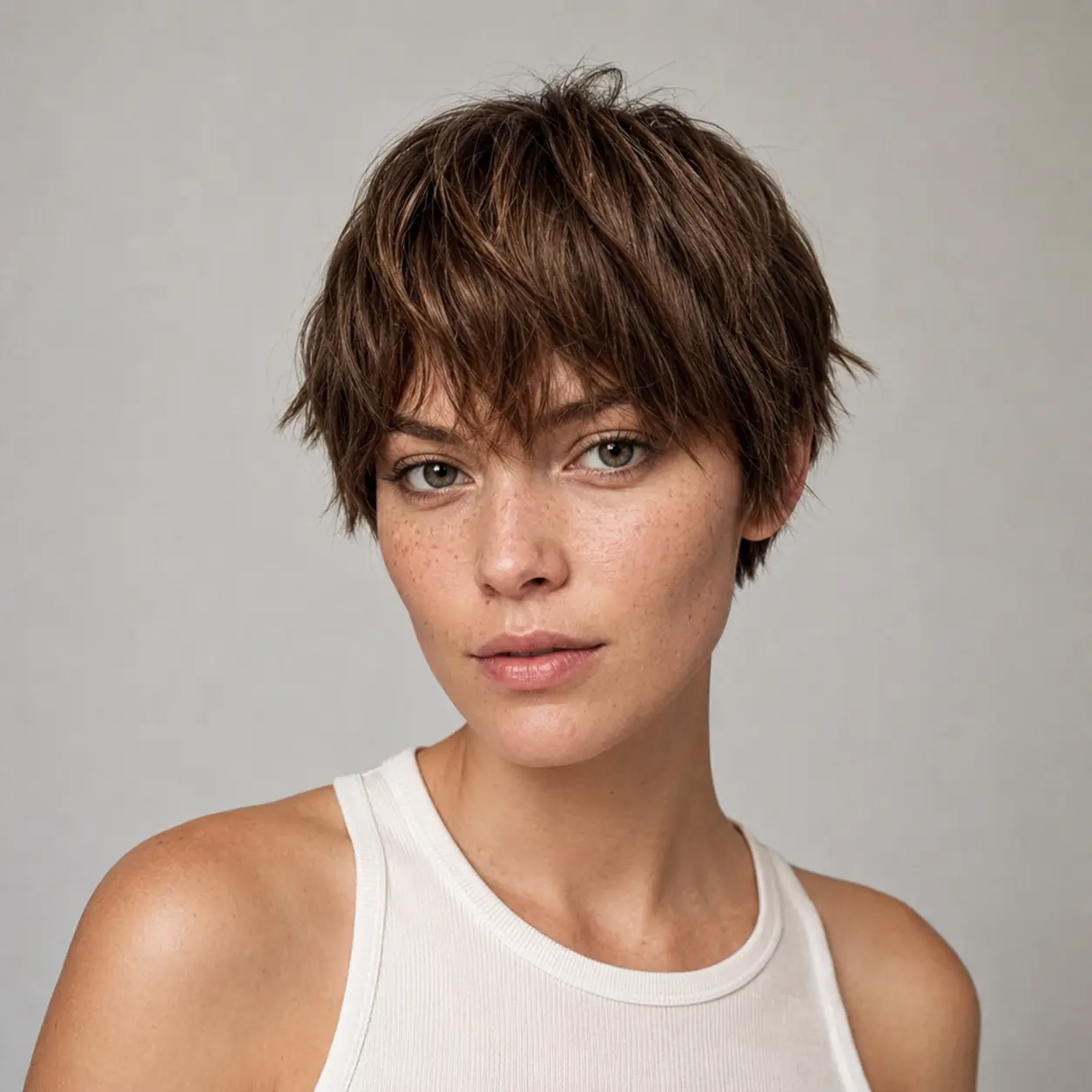
New for 2026, the trixie is yet another hybrid between a pixie and a bixie. It is short but not severe, with slightly longer top lengths that have a bit of swing and definition. It works well for anyone who likes the ease of a pixie but wants more to play with day-to-day. Because the hair frames the face so closely, the cut looks best with precise point cutting rather than heavy thinning.
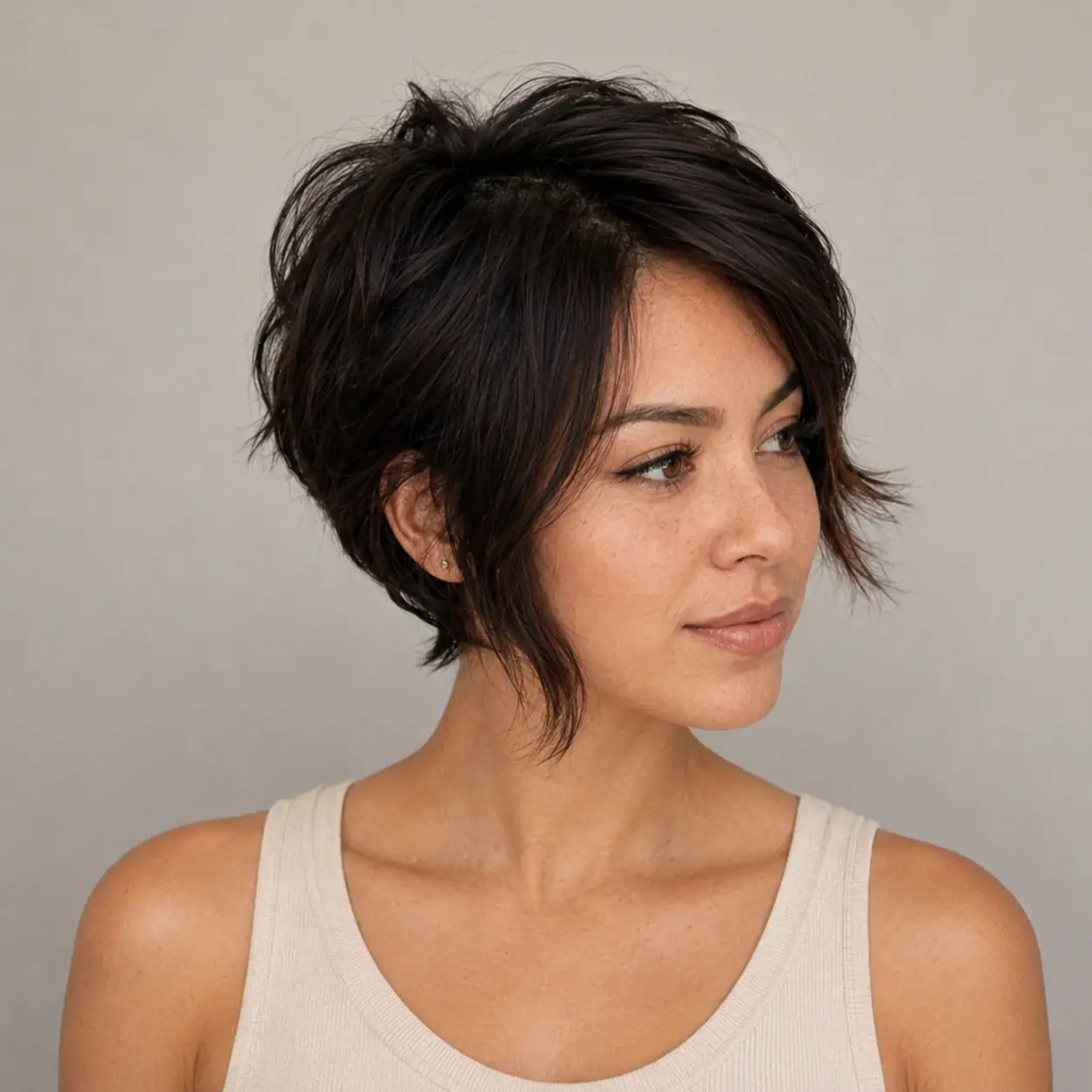
This pixie-bob love child has a rounded, feminine outline with elongated front pieces that skim just below the jaw. The undone-yet-polished finish works on most textures and feels current. It is especially kind to round and heart-shaped faces since the longer front pieces create a subtle vertical line.
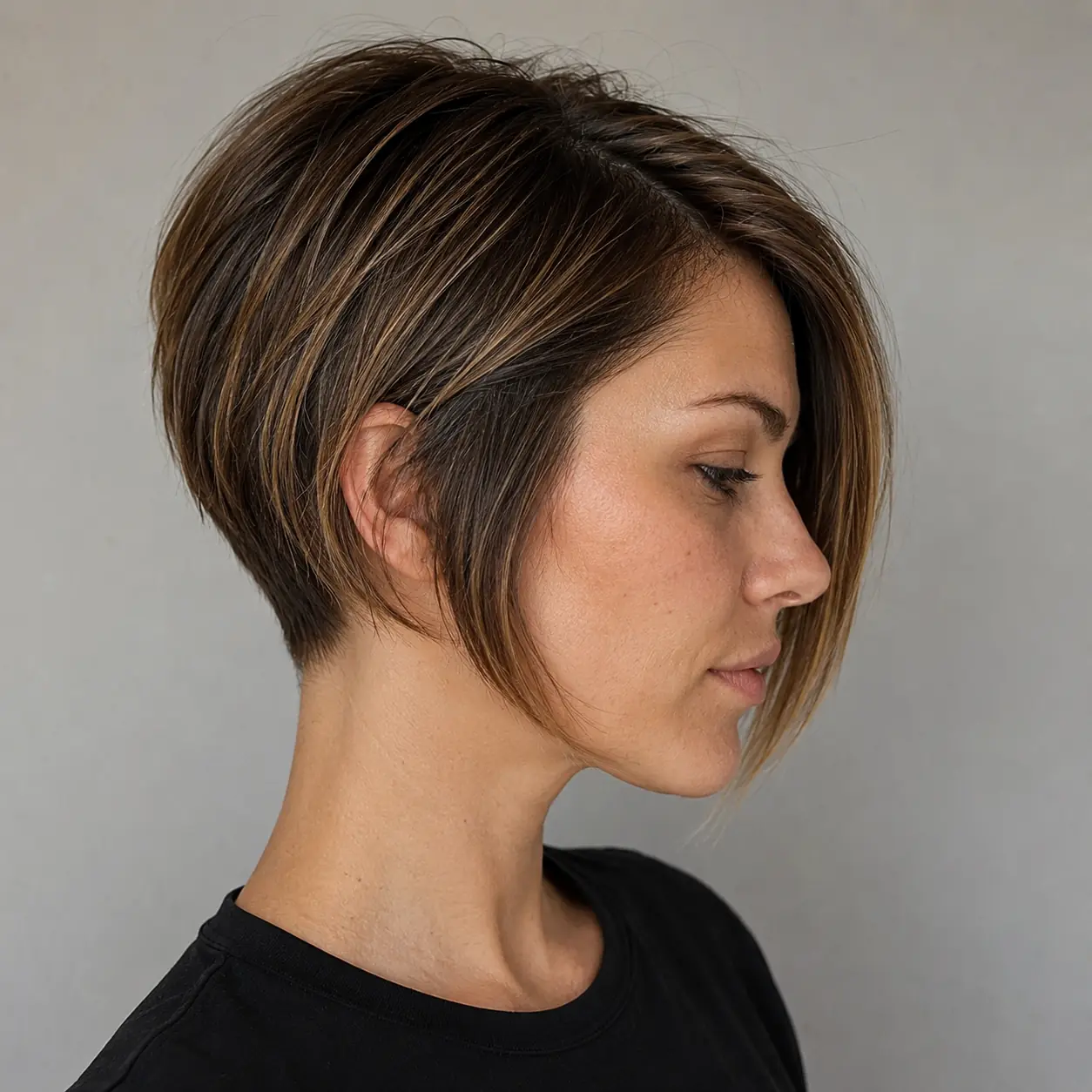
Graduated layers stacked at the back build a rounded, lifted shape exactly where fine hair tends to collapse. Keep the front pieces longer for framing. If your hair has thinned at the crown, the stacking redistributes visual weight and creates the impression of fullness. Plan on a trim every 5–6 weeks to keep the stacked corner crisp.
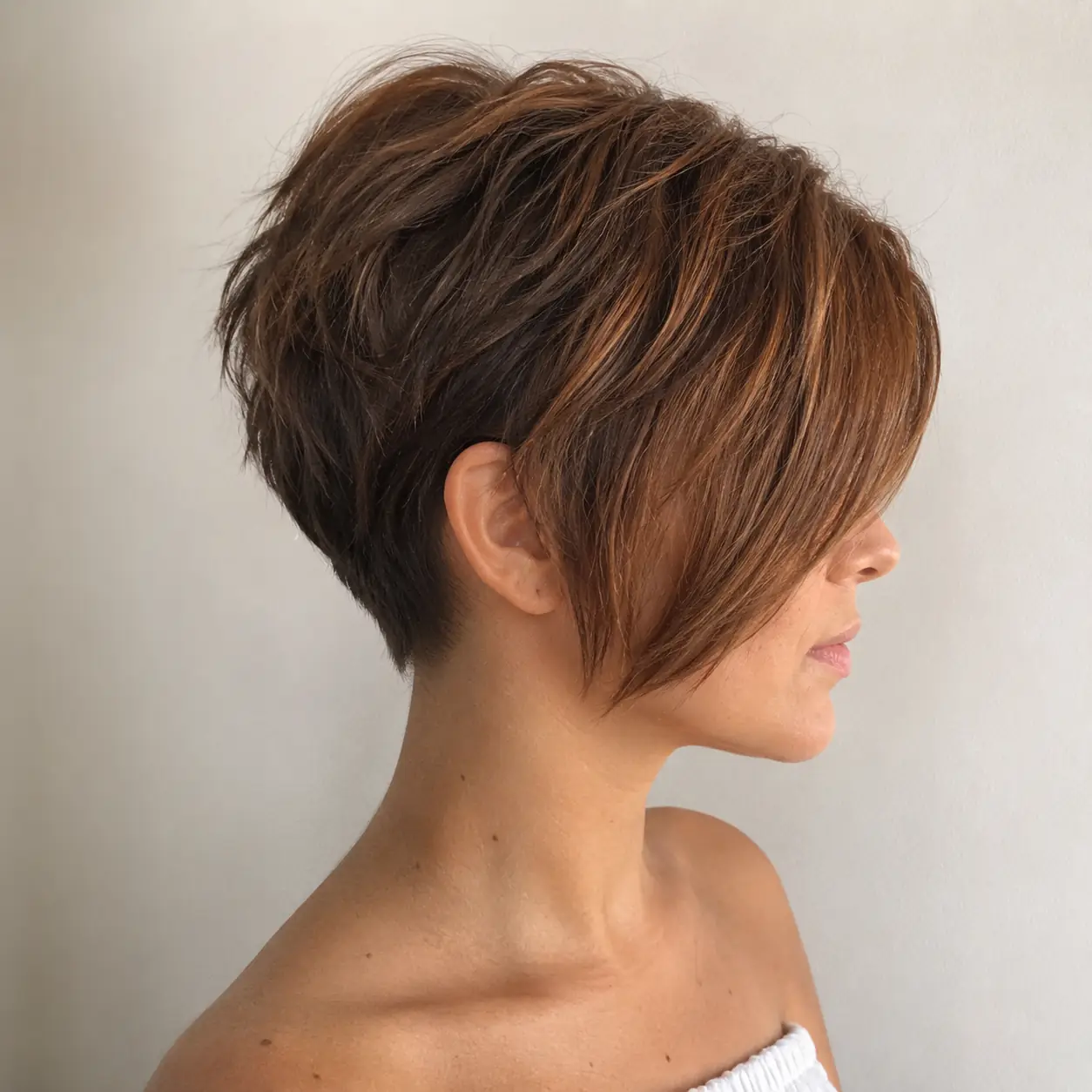
Cut shorter in the back and angled longer toward the front, the A-line bixie is dramatic without much daily effort. With pale, low-contrast colors like beige or biscotti blonde, layers become essential. A solid high-lift hair color can look flat on the cut like this, so the multitonal layers show off the dimension. Ask for an "A-line through the front with stacked, blended layers at the back."
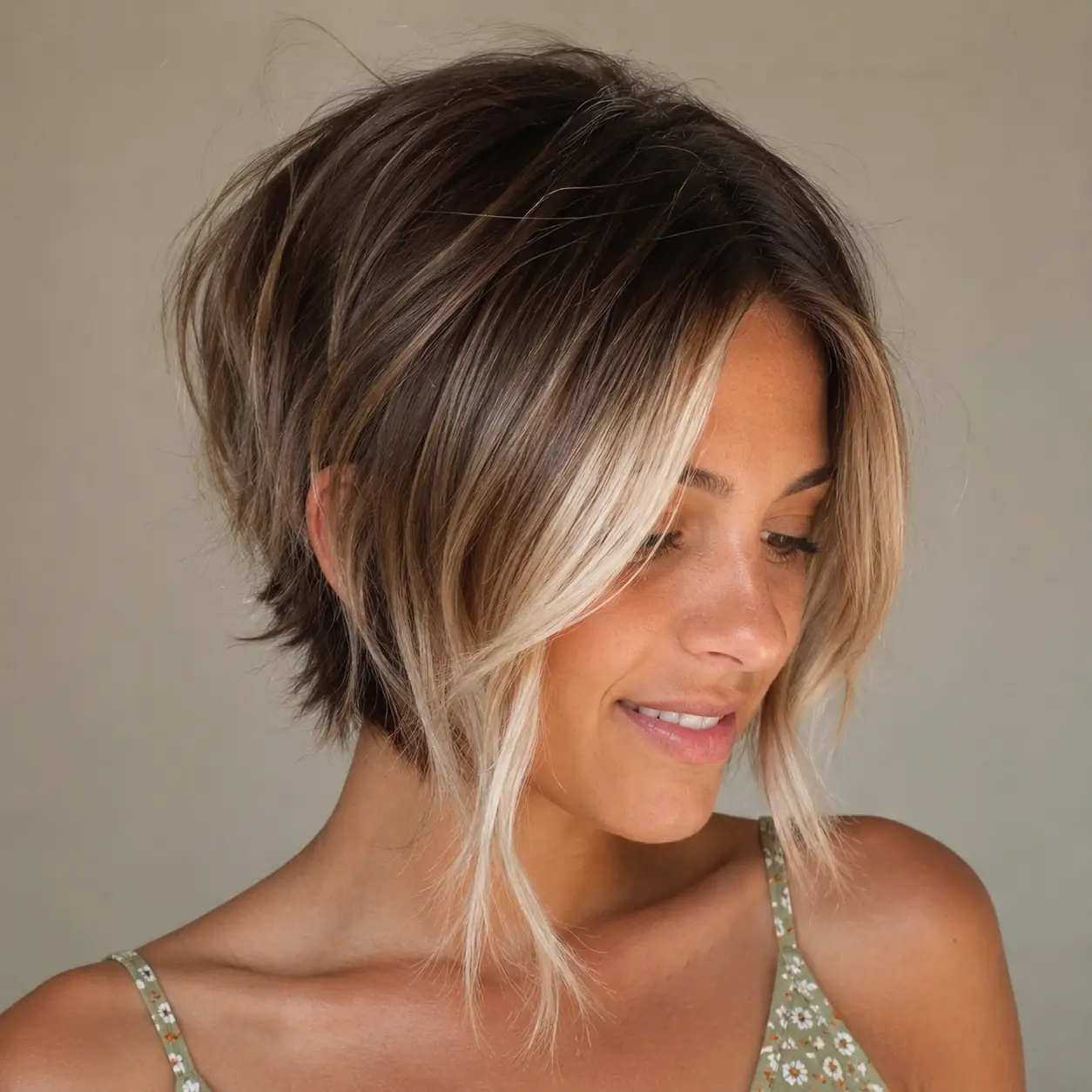
Choppy interior layers give this cut its piecey, lived-in feel for 2026, and a lighter money piece around the face brightens up the complexion. The front highlights are a simple way to test a lighter tone without going all in. It works best on medium density, because very fine hair can look thin if the layers are taken too far.
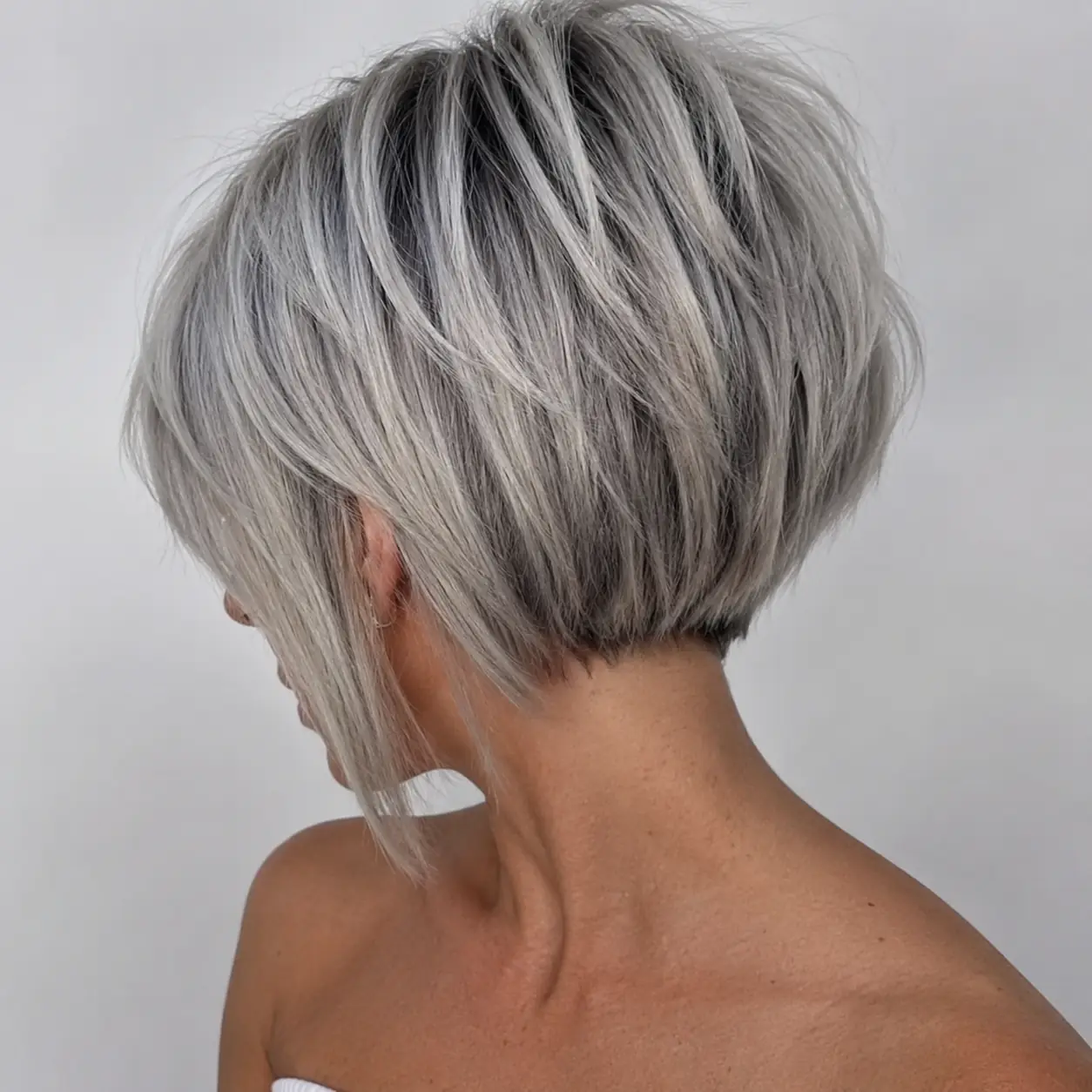
A razor used through the lengths removes weight and leaves delicate, feathered ends that fall into place when air-dried. It's a great option if you love fluid and slightly tousled styles rather than blunt and structured. A word of caution: razoring works beautifully on straight and wavy hair, but it can rough up the cuticle on fragile or color-treated strands, so flag any breakage to your stylist first.
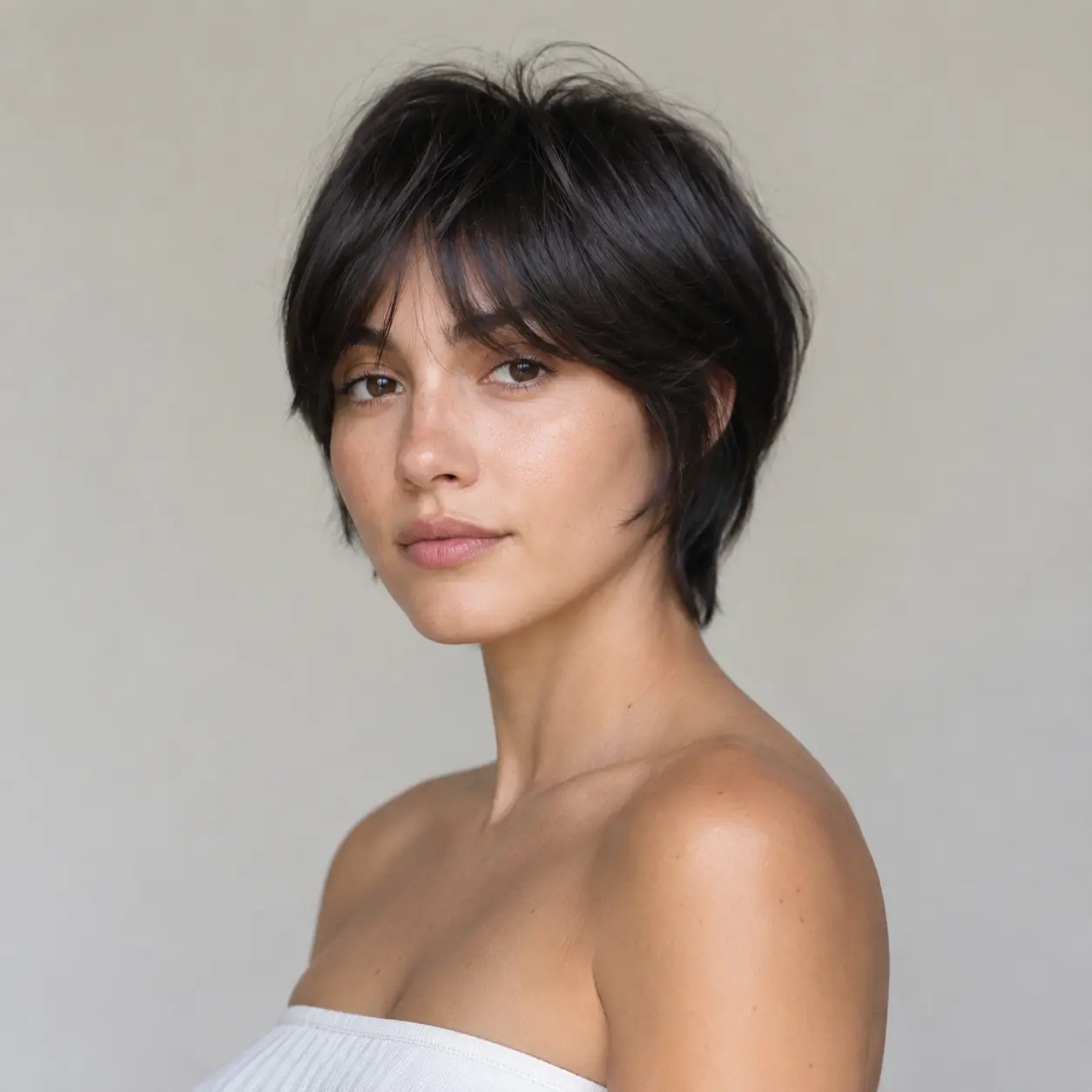
Curtain bangs split gently at the center and blend into the side lengths, framing the eyes and cheekbones. They're one of the most low-commitment ways to update a short cut, since they simply grow out into face-framing layers. Pair them with a bixie when you want a touch of softness without losing the cut's edge.
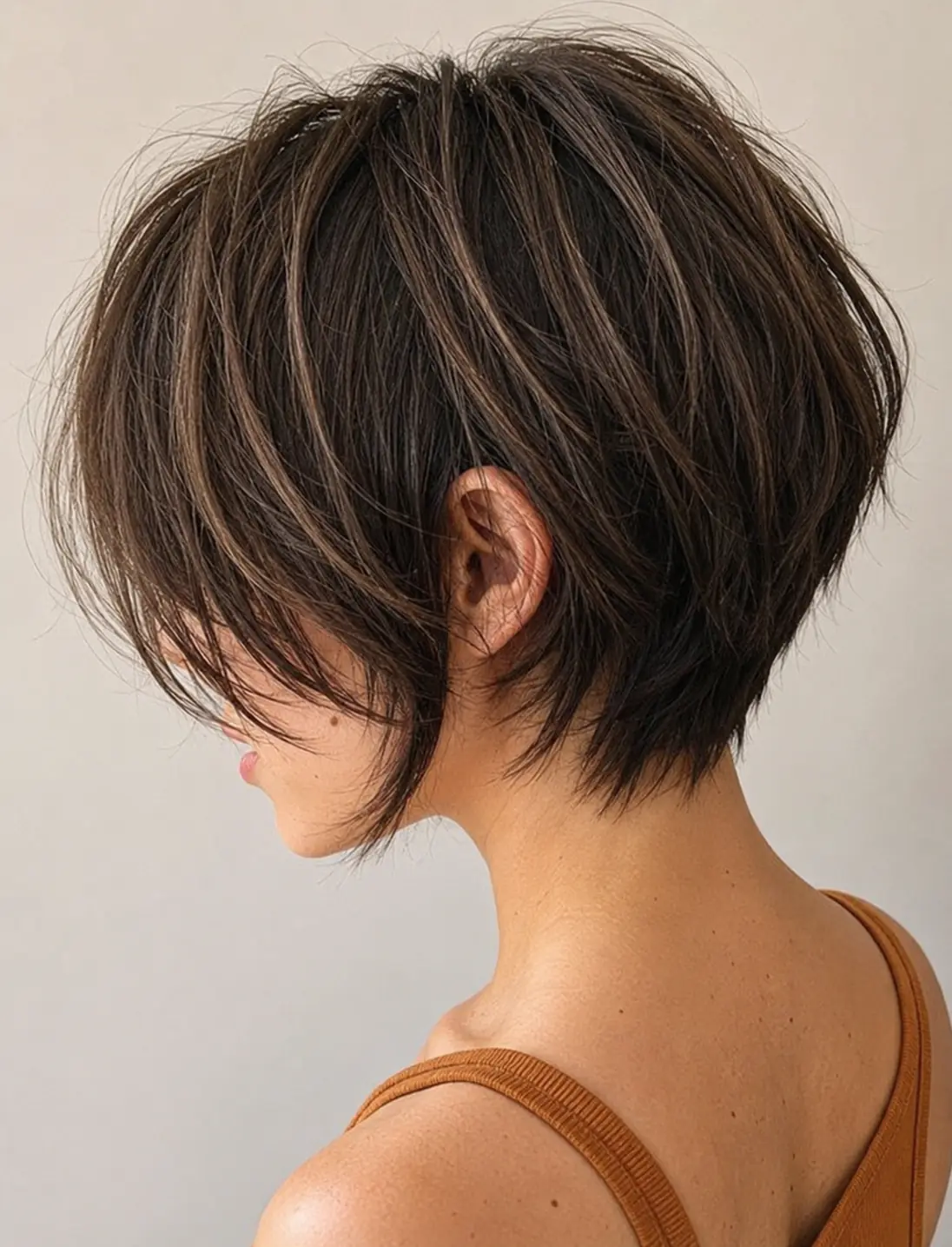
Teased, tousled layers give this version its volume. Without them, it would fall flat, so it's a strategic hot mess. A pea-sized amount of texture paste worked through dry hair holds the shape all day. Low-effort to style, but it needs that product to look deliberate rather than slept-on.
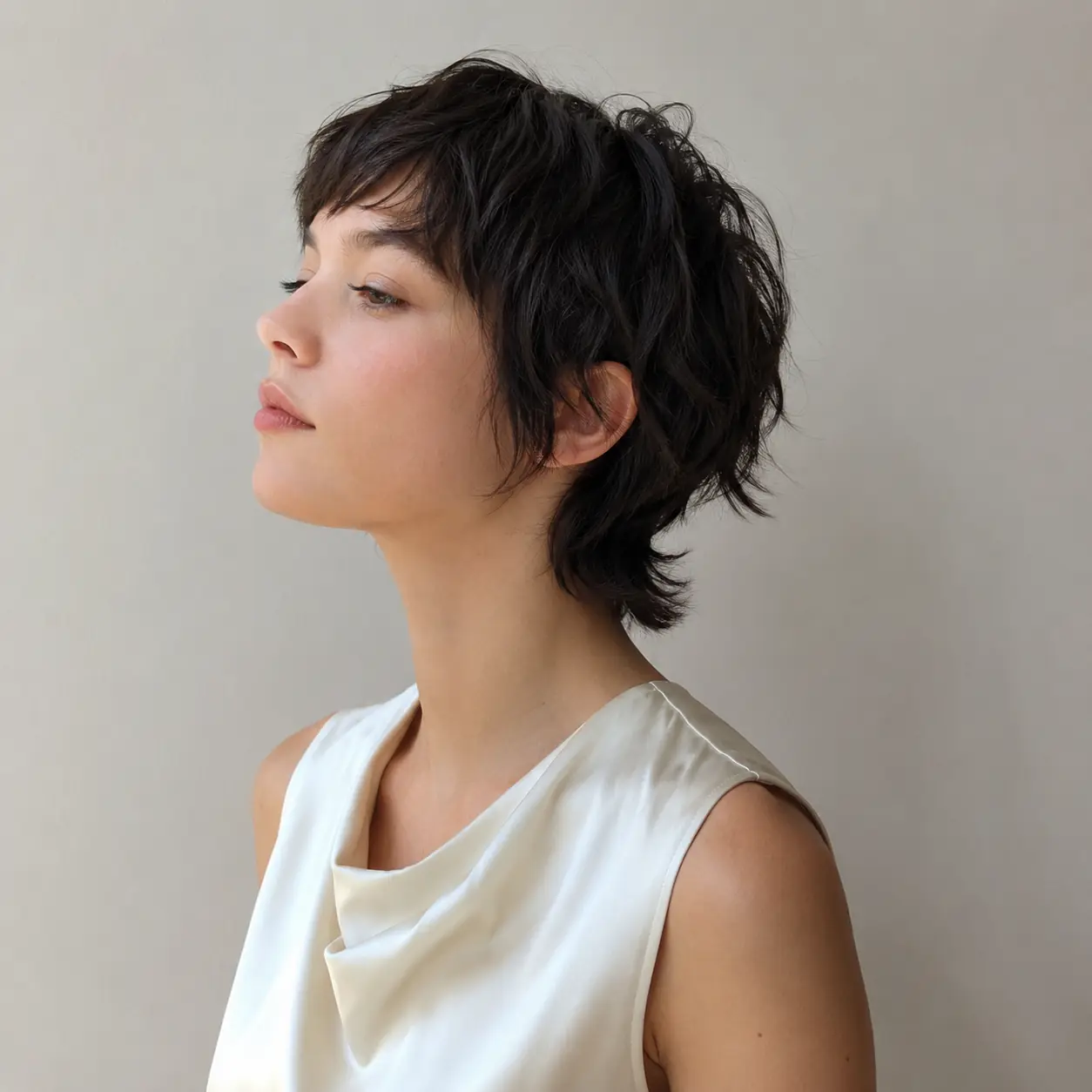
Unlike a standard bixie that sits longer at the jaw, this version crops the back to the nape for a cooler-weather-friendly shape. Interior layers keep the crown full, and the clean nape shows off the neckline. A good pick if you run warm or want the shortest end of the bixie spectrum.
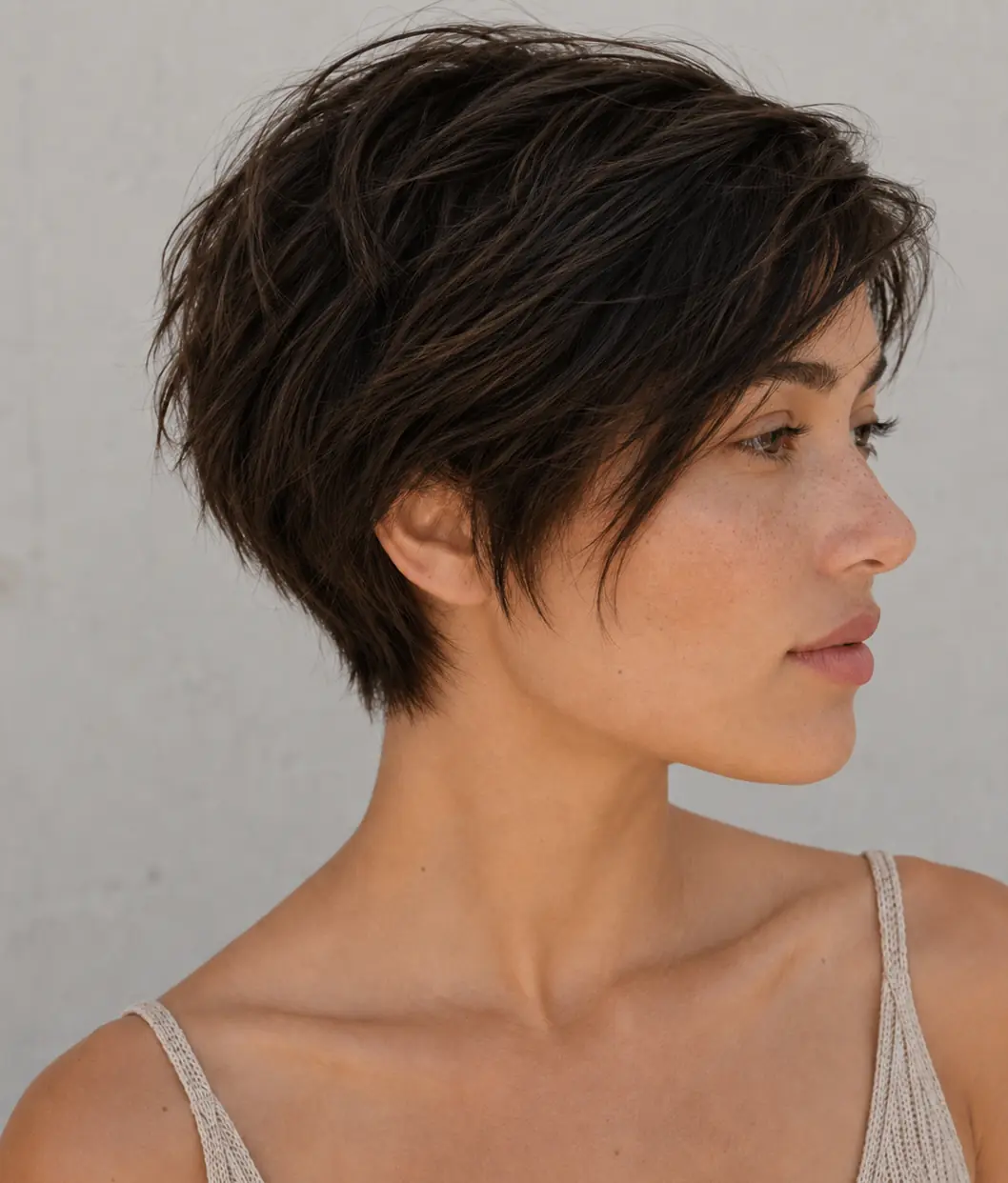
When the top pieces fall across the forehead, they form a gentle asymmetric line that helps balance wide or square faces by breaking up the symmetry through the front. Slick it back with pomade for evening, or add texture powder for a casual daytime finish. The versatility is the selling point — one cut, two distinct looks.
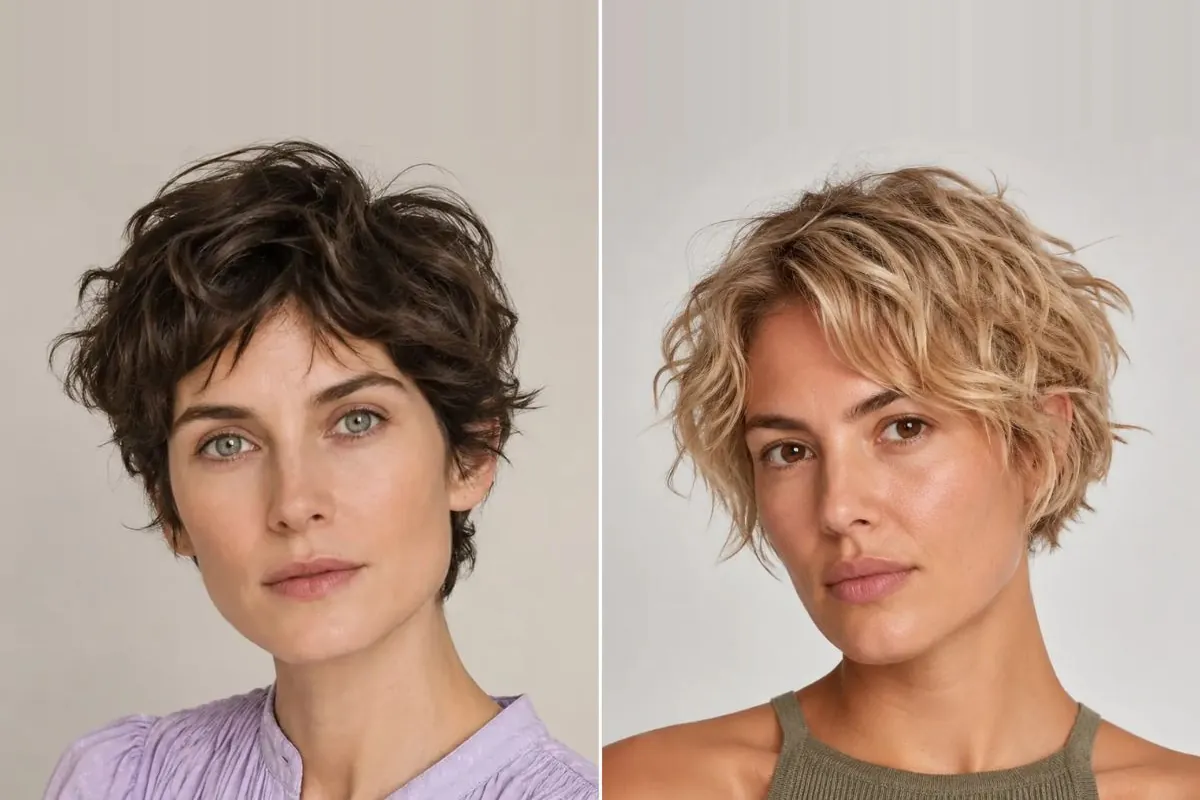
The 2026 pixie is softer and more sculpted than the spiky crops of past decades. Layering is what makes it work: it adds movement at the top, diffuses the perimeter, and, as with choppy pixie cuts, lets the cut suit far more face shapes than a blunt crop ever could. These are the lowest-maintenance styling options in the gallery, though they need the most frequent trims to hold their shape.
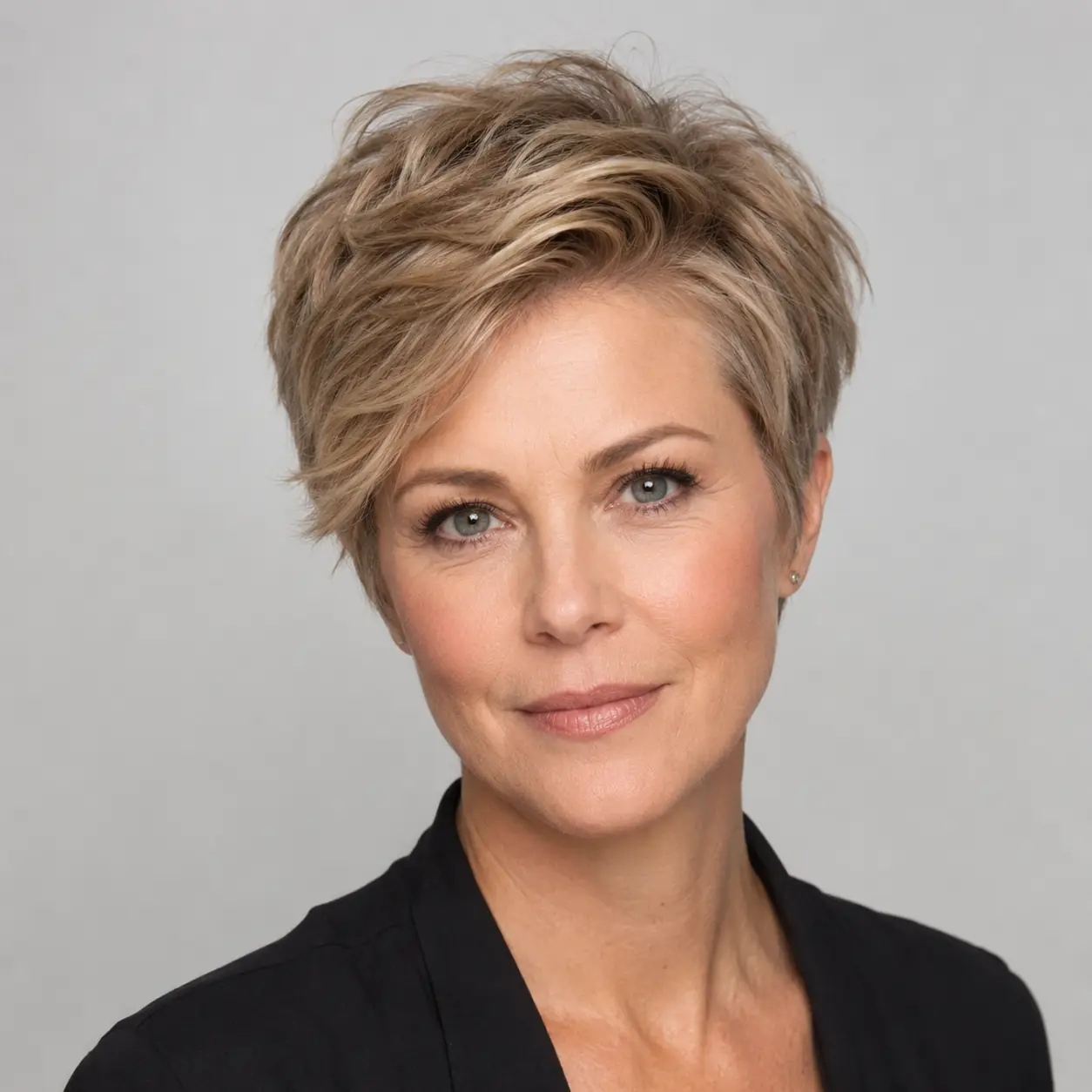
Short, blended layers throughout give this cut structure and the freedom to part it several ways or sweep the fringe back for a dressier occasion. It's a great fit for fine hair, since the layers create the illusion of density. Expect to visit your stylist every 4–6 weeks to keep the shape from losing definition.
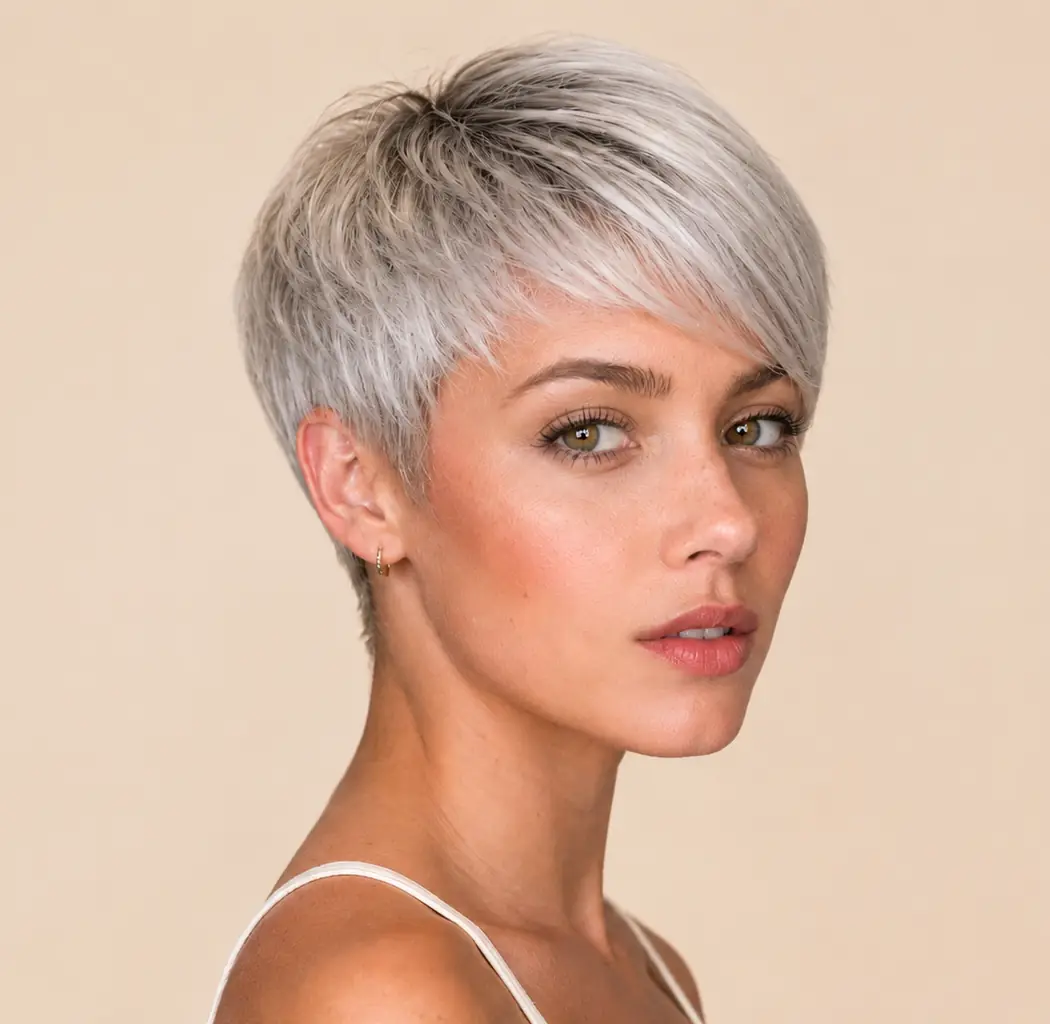
Nervous about going very short and need an easy entry point? Leaving a little extra length on top and sweeping bangs to the side makes the cut more delicate and feminine. The side fringe draws the eye diagonally, flattering rounder faces. Experiment with the parting or the fringe length to find the style that feels like you.
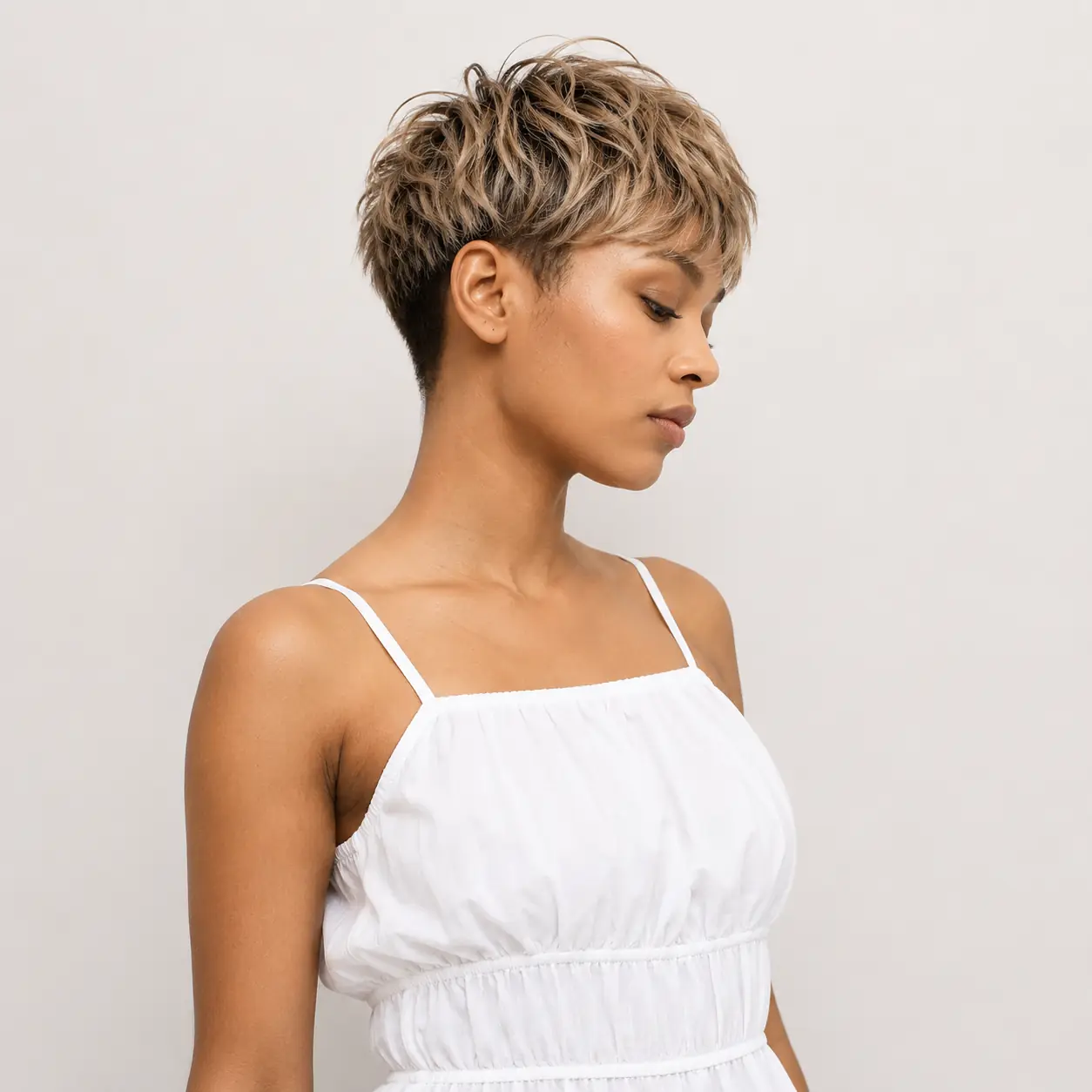
Taking the sides or nape shorter with an undercut clears out bulk and gives the cut a creative edge, all while leaving lift and movement through the top. It works especially well for thick hair that usually weighs down a short style. Add textured layers through the crown to keep the finish touchable.
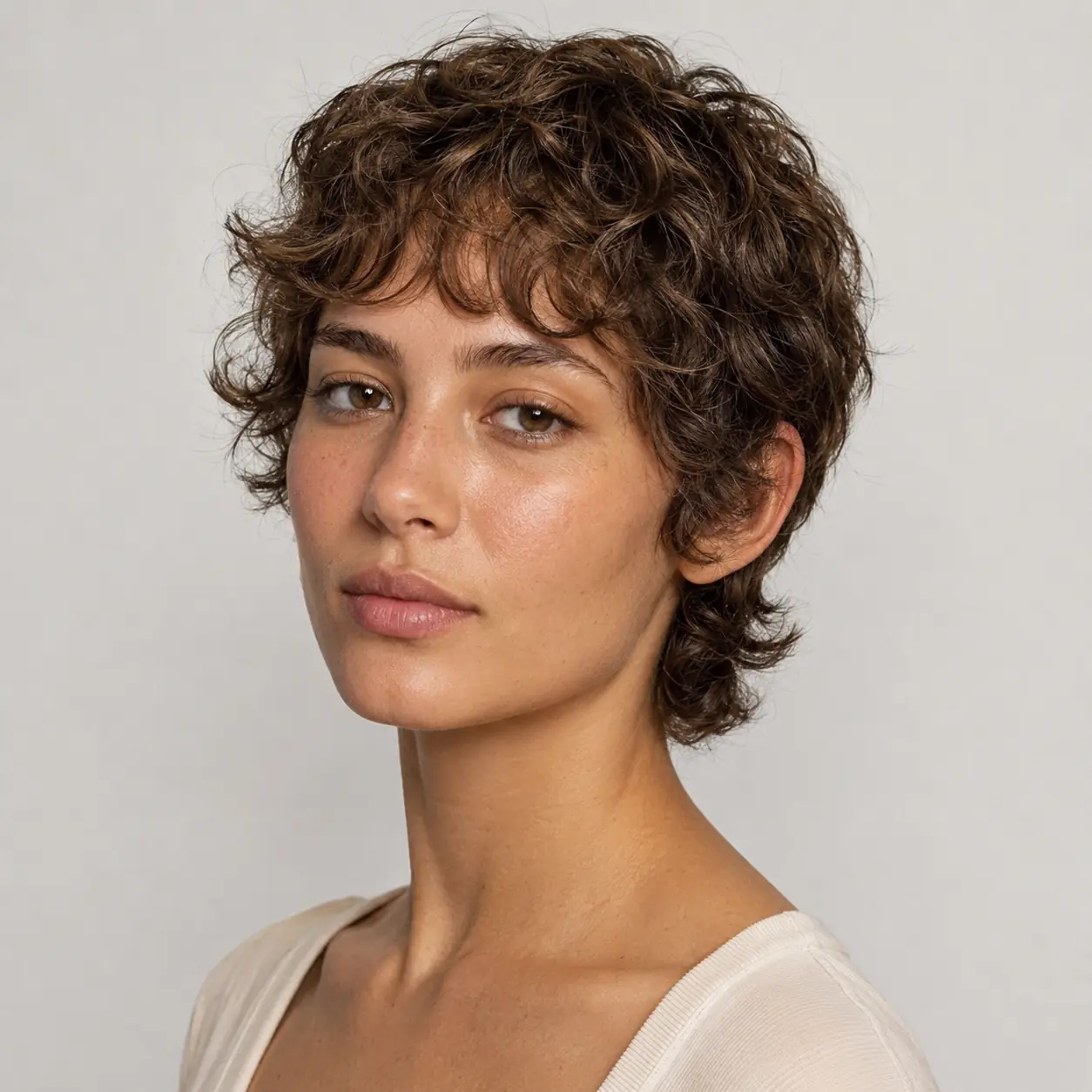
Short hair is no longer synonymous with sleek. A sculpted curly pixie brings out the natural curl pattern with lightness at the temples and crown. It's bold, expressive, and genuinely low-maintenance once you stop fighting the texture. Ask for a dry curl cut so your stylist can shape each curl where it actually falls. Cutting curly hair wet hides the shrinkage and often leaves it too short.
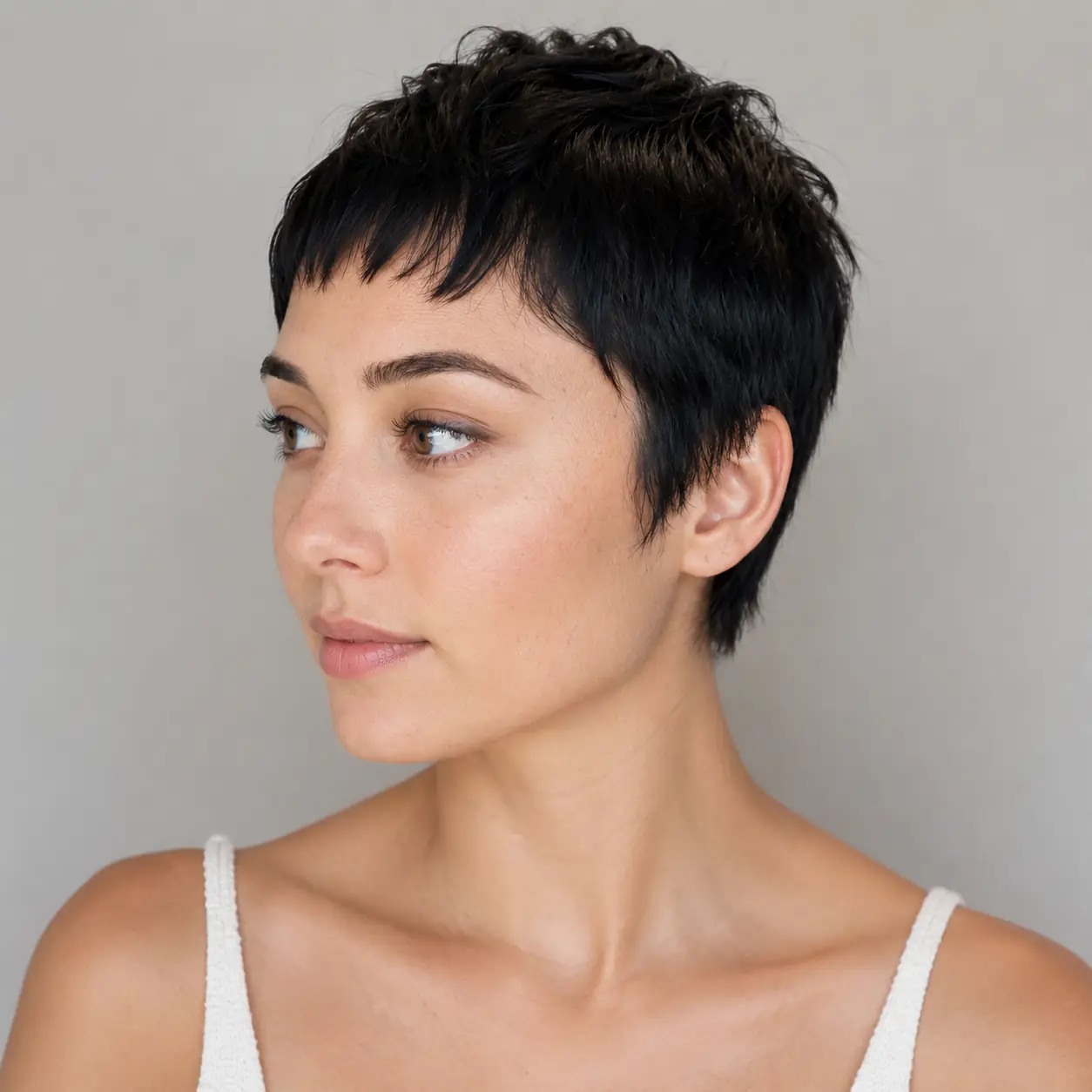
Micro bangs cut well above the brows bring all the focus to the eyes and leave the forehead fully visible. The look works best on strong bone structure and asks for a bit of daily fringe styling. Not the most forgiving choice, but few cuts make as much impact.
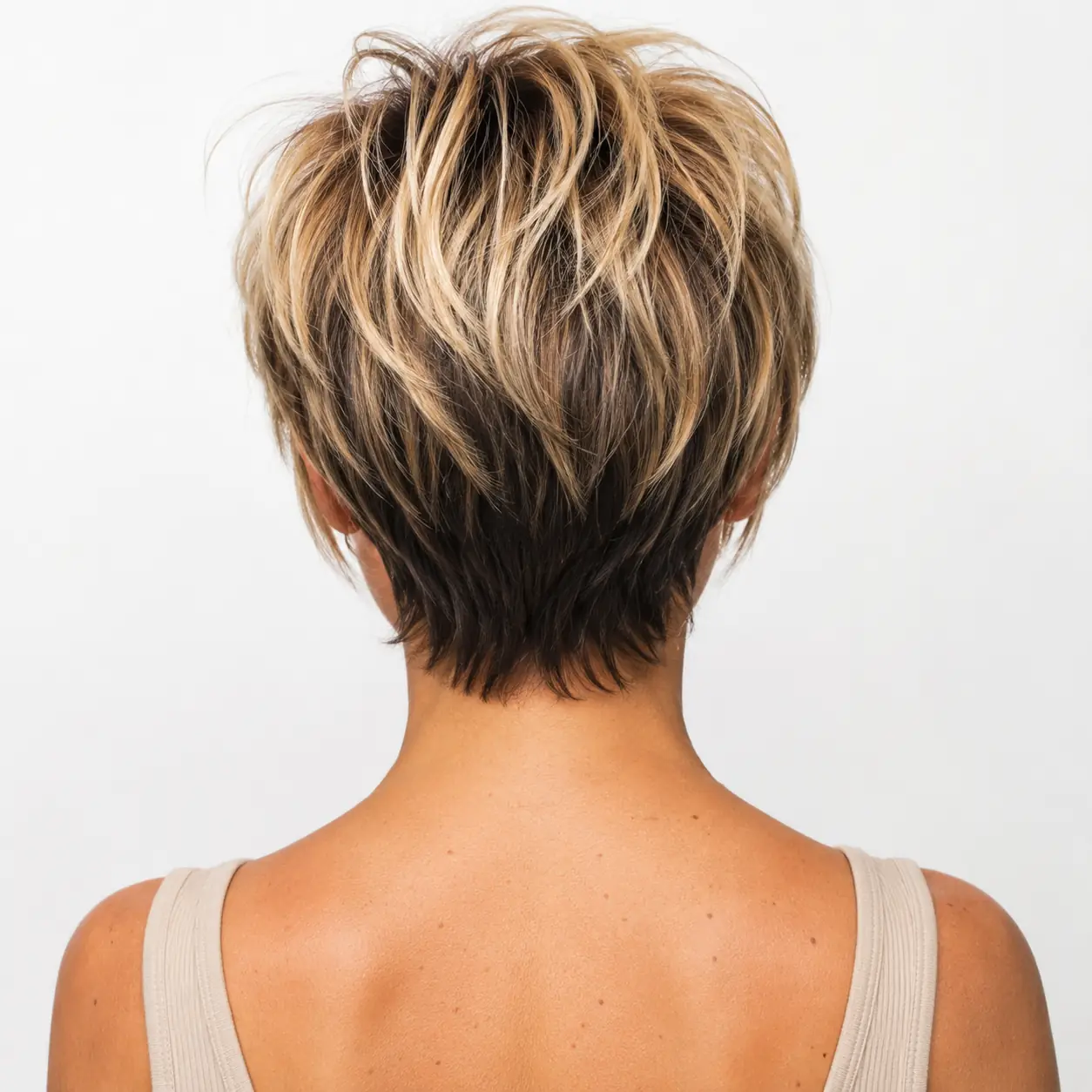
If your hair lacks movement, a very short crop with deliberate texture from point-cutting or razoring looks impressive even on your laziest hair days. The piecey top can be worn forward and tousled or swept to one side. It's the most low-effort cut here for anyone who wants to spend almost no time styling.
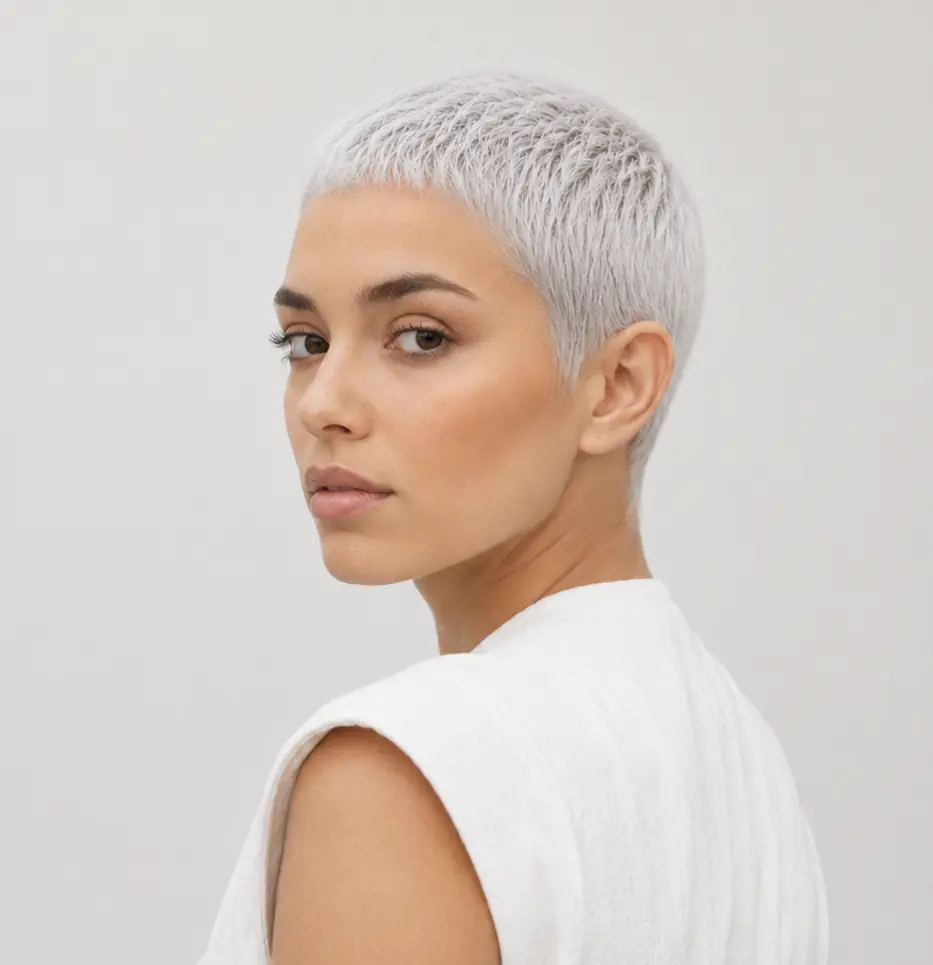
On a cropped style, cool ashy or platinum color gives a bright, reflective finish. The layers are essential here for keeping the cut lively, because light shades don't offer much natural depth. Be honest with yourself about upkeep: a high-lift shade on short hair needs root touch-ups every few weeks and a purple toning routine at home. The payoff is one of the highest-impact looks in the collection.
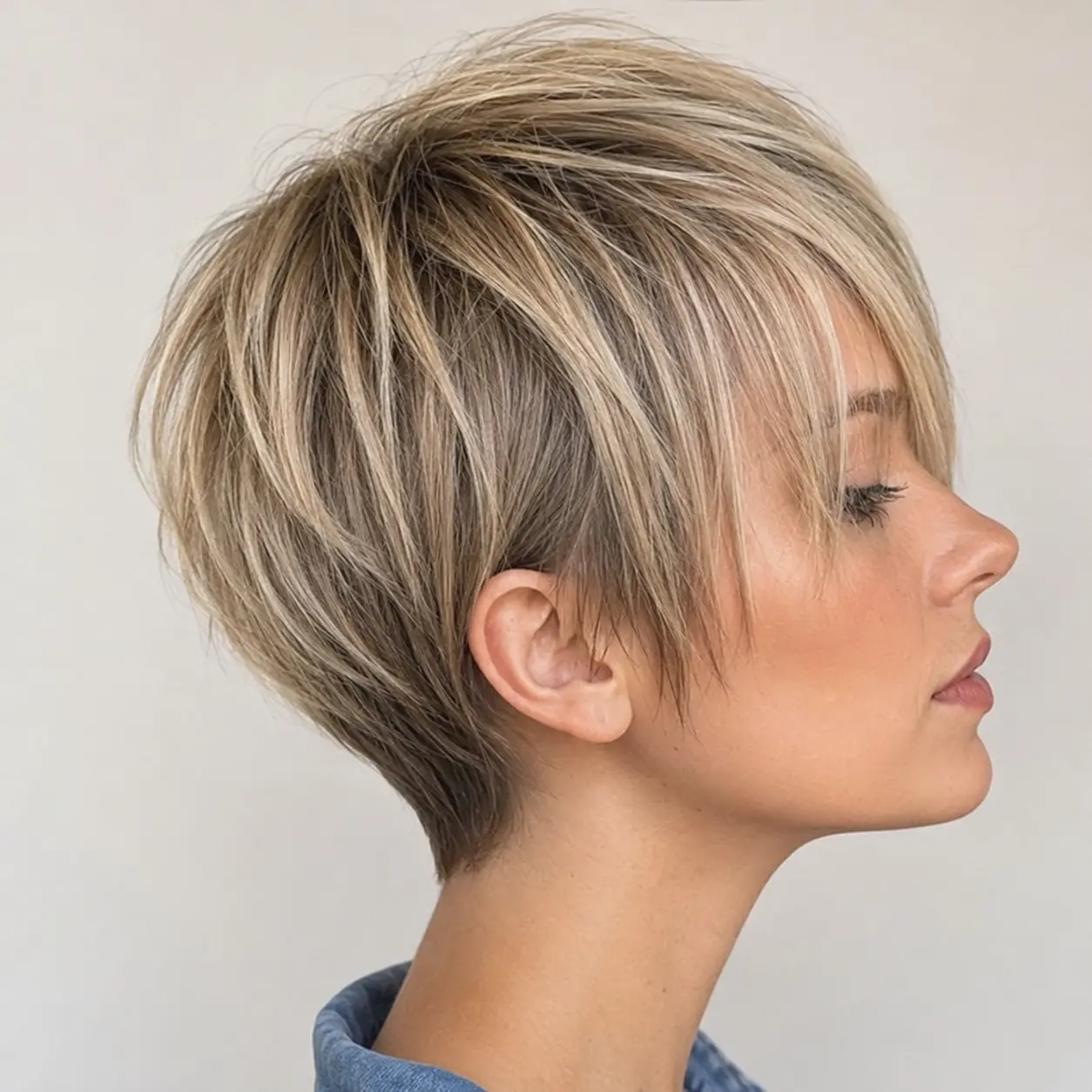
Keeping the top noticeably longer than the sides gives you styling range — slick it down for polish or push it up for height and edge. This proportion suits oval and oblong faces that can carry volume on top. A small round brush and a blast of cool air set the shape.

A rounded silhouette with shorter layers cut at the top lifts the roots and creates gentle movement, downplaying angular features. It's a flattering pick for square faces because the curve offsets a strong jaw. If your roots don't lift on their own, a volumizing spray at the base before blow-drying does the work.
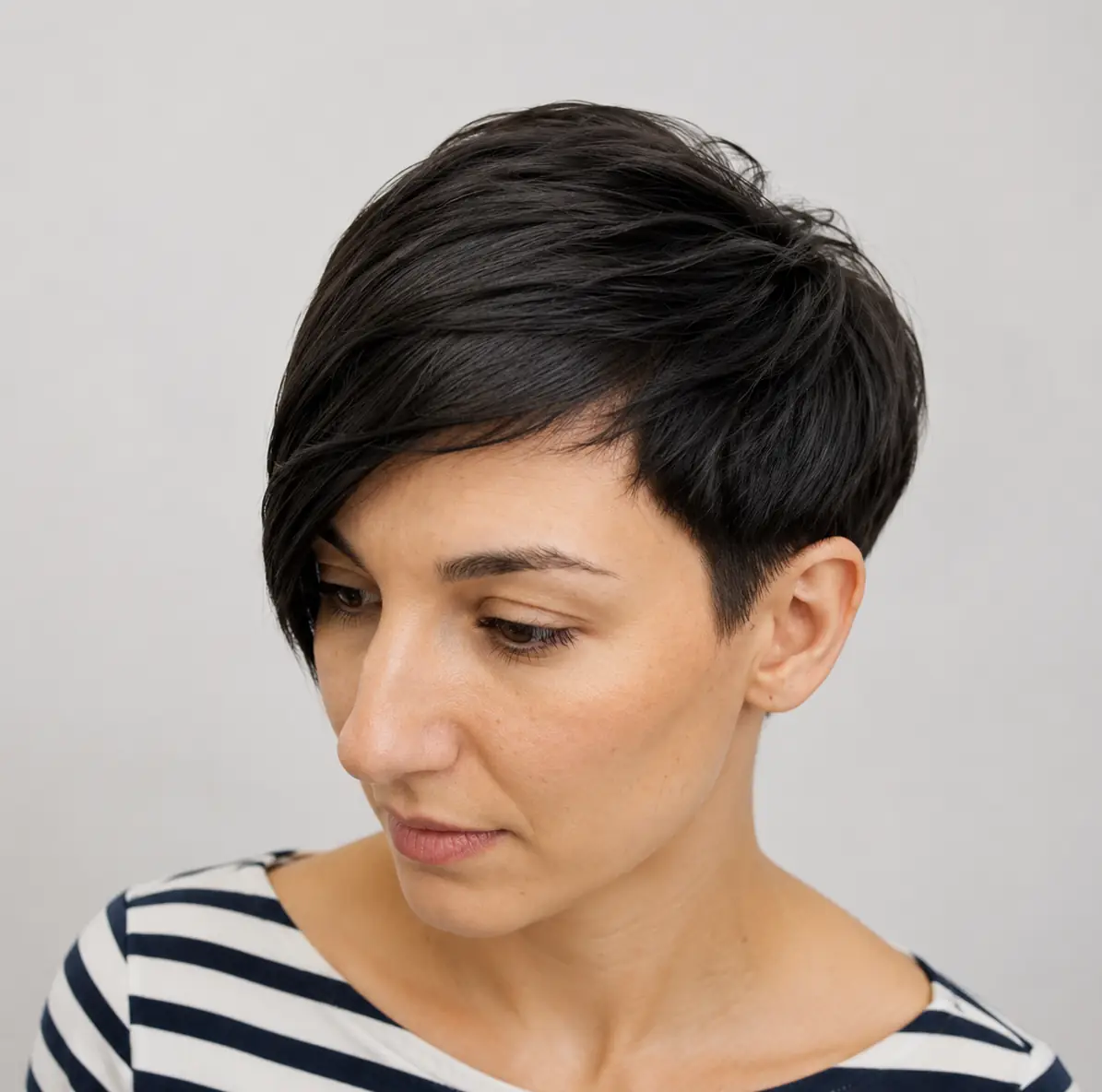
Leaving one side longer creates a diagonal line that adds attitude and helps streamline a fuller face. The asymmetry gives a short cut more personality and prevents it from looking rigid. A bold color contrast will make the angles pop.
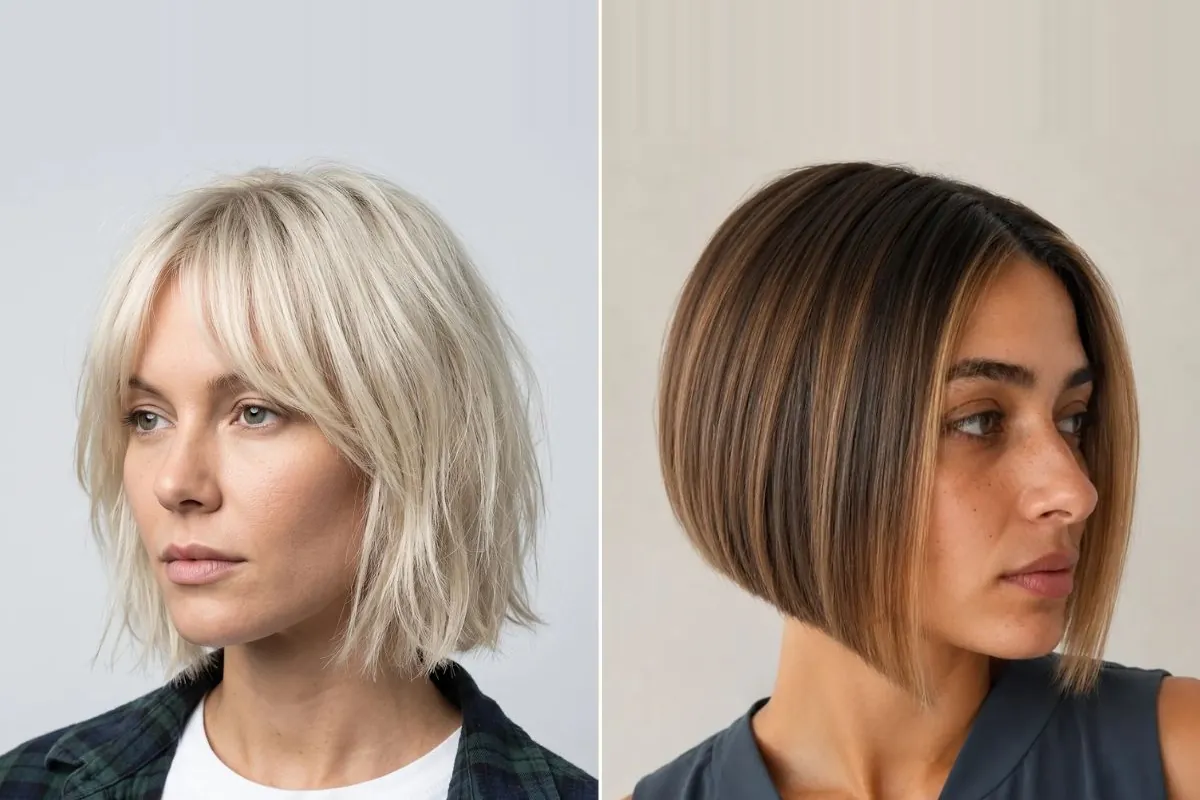
The bob is the most-requested short shape of 2026, and the layered and textured versions undoubtedly lead the conversation because they work across the widest range of face shapes and hair types. Length can vary anywhere from the nape to the jaw, and the layering approach (internal, sliced, stacked, or feathered) determines whether a short bob comes across as soft and tousled or clean and structured. This is the family to consider if you want a short style that still feels classic.
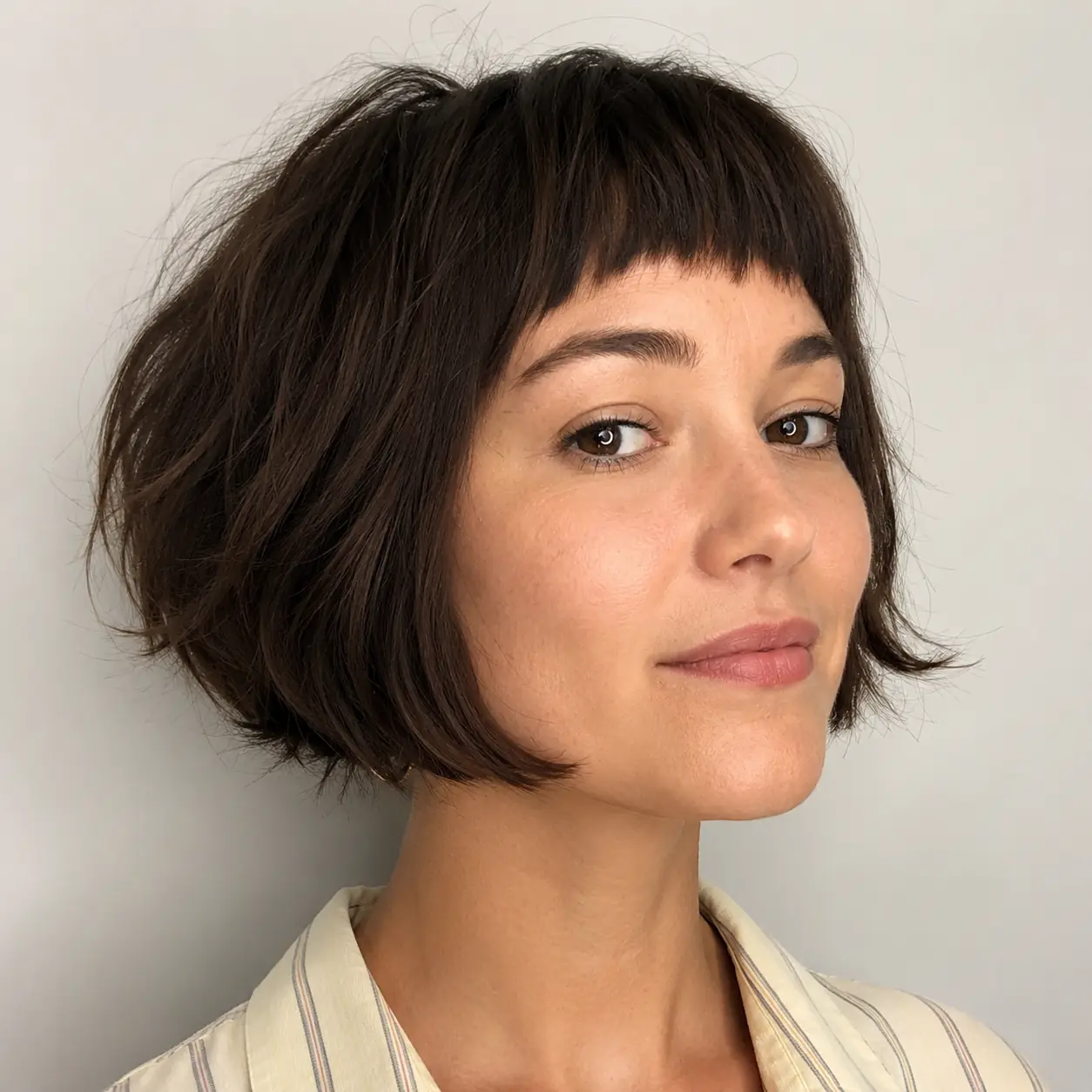
One of the defining cuts of 2026, the French bob hovers at the chin level with blunt-ish micro-bangs and a slightly rounded shape. It carries an easy energy and works for both angular and plump features. Ask for "maximum softness and texture, not a stiff blunt line," so it looks lived-in and effortless.
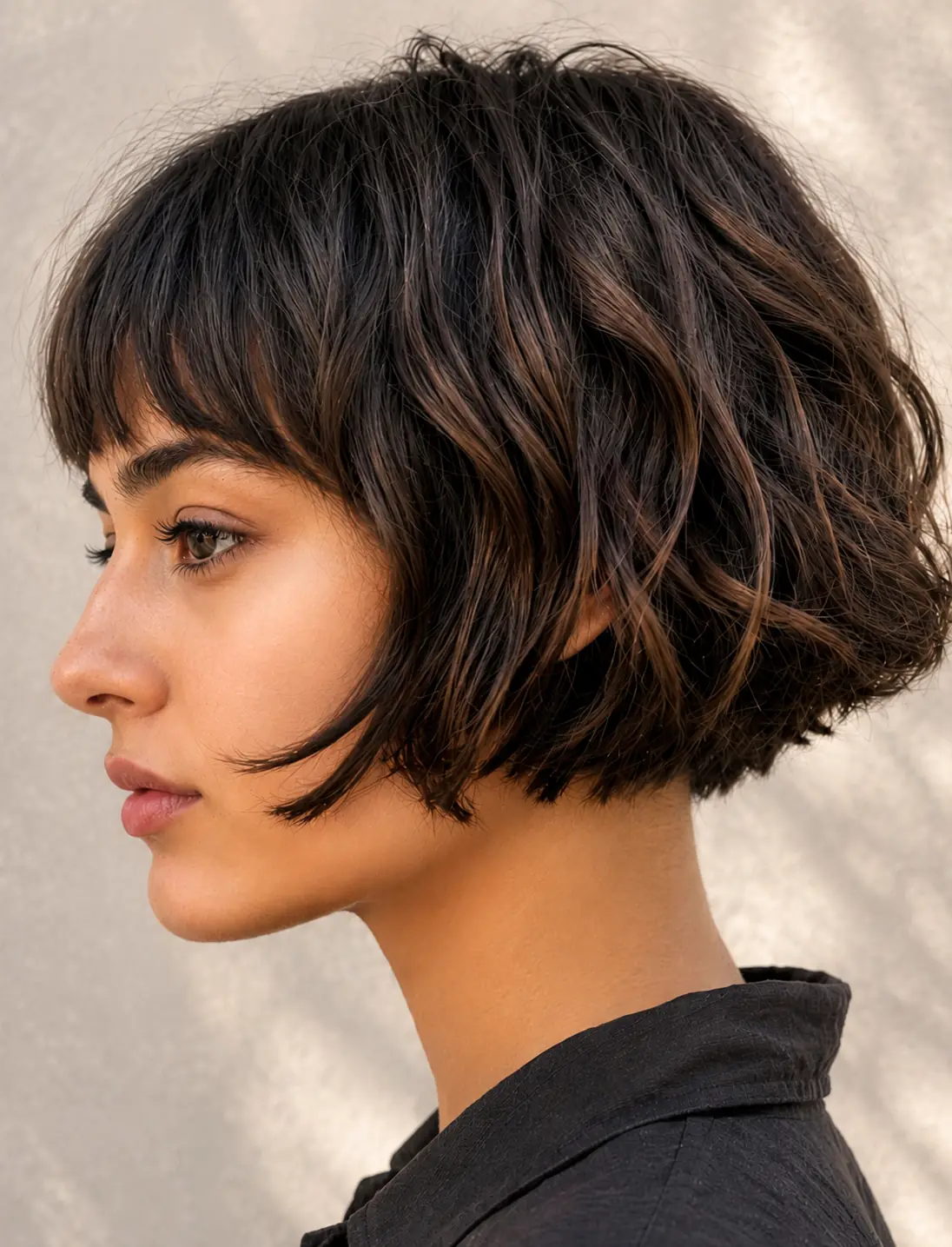
A wavier take on the French bob relies on natural movement, and often has point-cut ends that prevent the perimeter from looking heavy. It's especially good for hair with a natural bend, since the texture does most of the styling for you. The slightly messy finish is the point — perfection isn't the goal here.
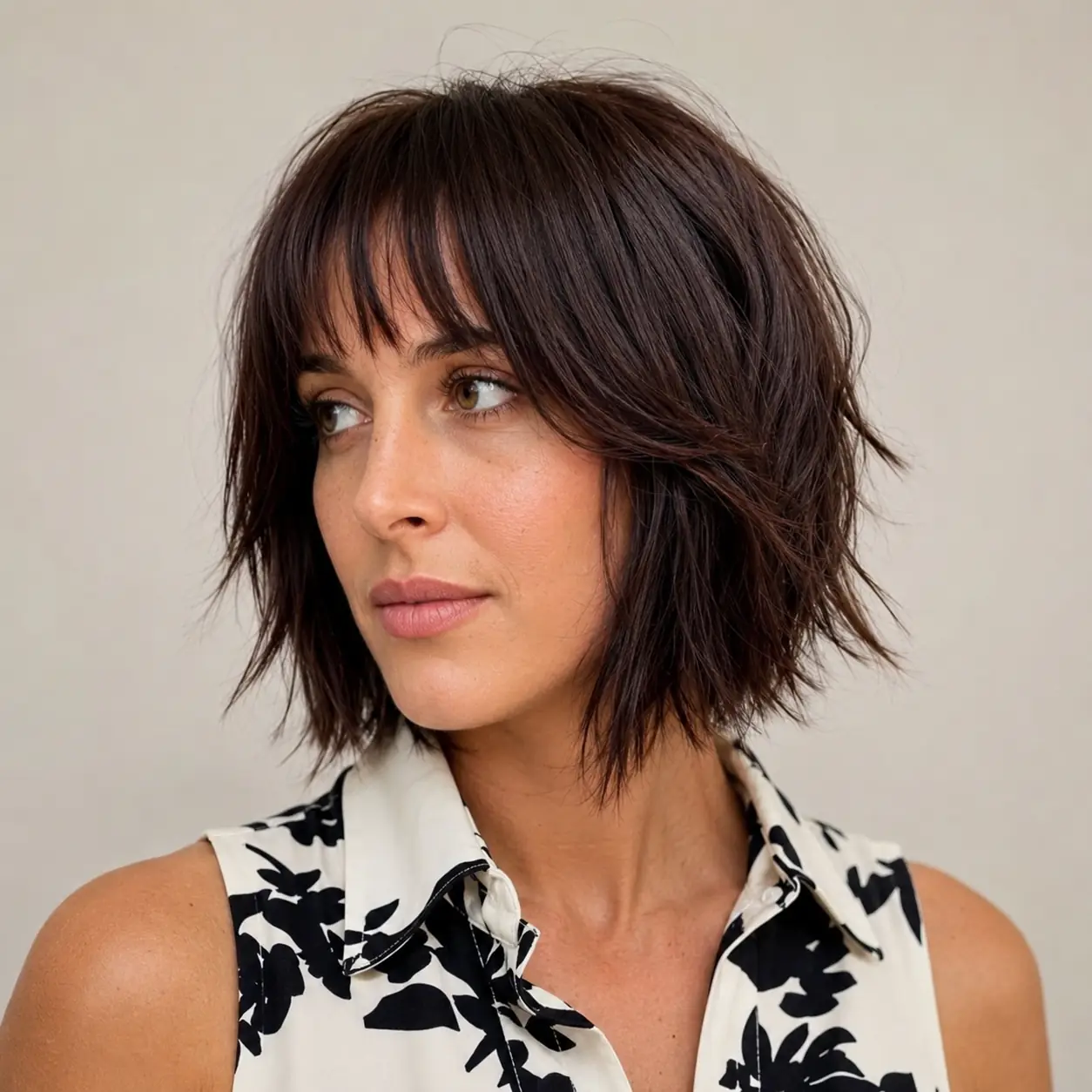
The defined, separated pieces give the bob a laid-back character that doesn't ask for much day-to-day. A little texturizing cream raked through dry ends keeps the separation crisp. It's a forgiving grow-out, too, since the piecey ends blur the line as length returns.
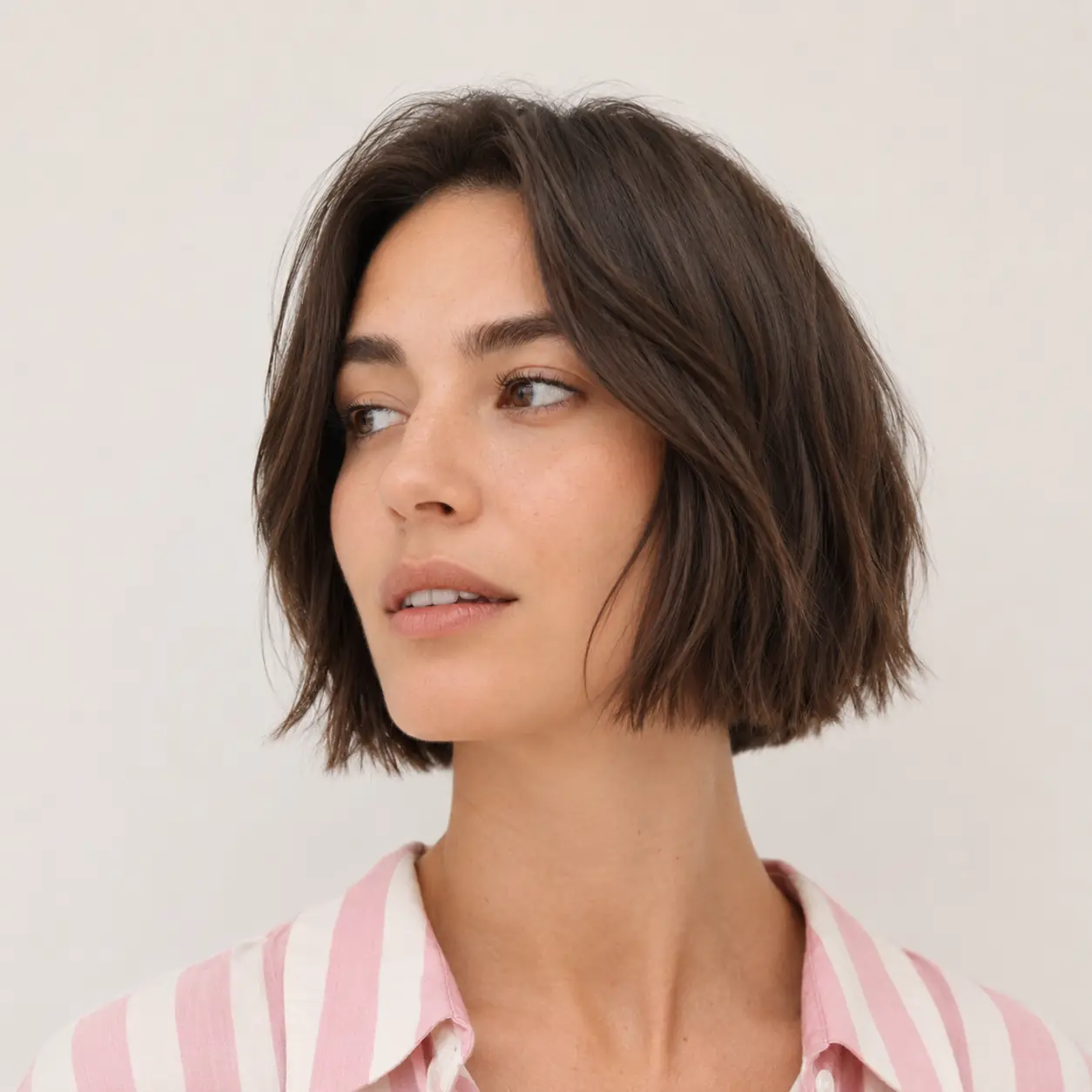
In 2026's pared-back moment, a blunt bob with crisp edges and minimal layering gives you the high-end shape. Unlike a textured bob, it really needs to be styled straight and smooth to look polished, so it asks a bit more of your morning routine. It's sharpest on naturally straight hair, and wavy textures may want a gloss or smoothing treatment to keep the line crisp.
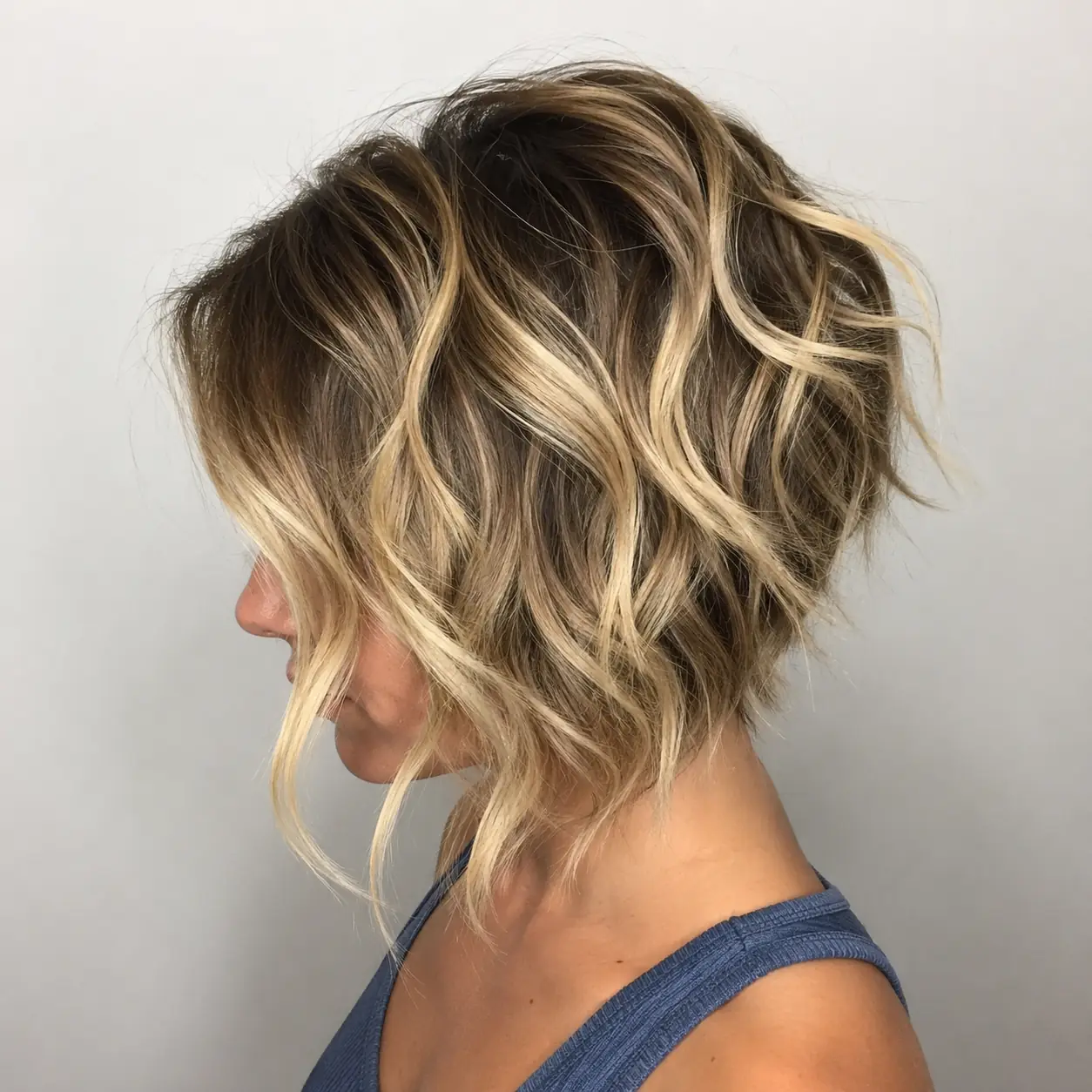
Angled longer at the front and shorter at the back, the A-line bob is endlessly customizable. With messy interior layers, the cut smooths out when you straighten it and loosens up when you curl it, so you get two styles from one shape. The angled front pieces subtly narrow the jawline.
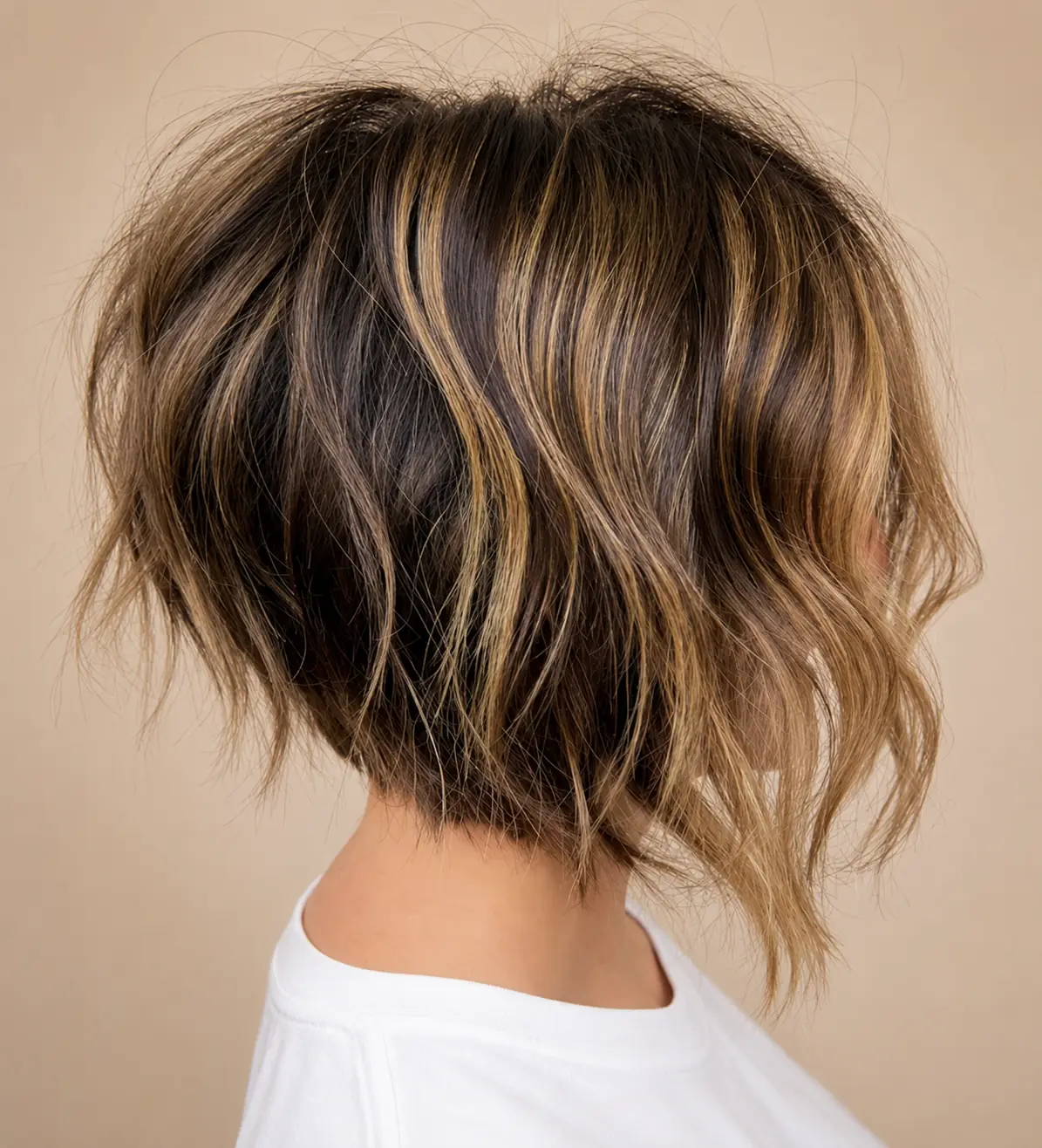
Graduated layers stacked at the back lift the crown and keep a classic bob from falling flat. It's a smart pick for fine hair, where the built-in volume does what product alone can't. The bright dimension of a few face-framing highlights makes the stacking even more pronounced.
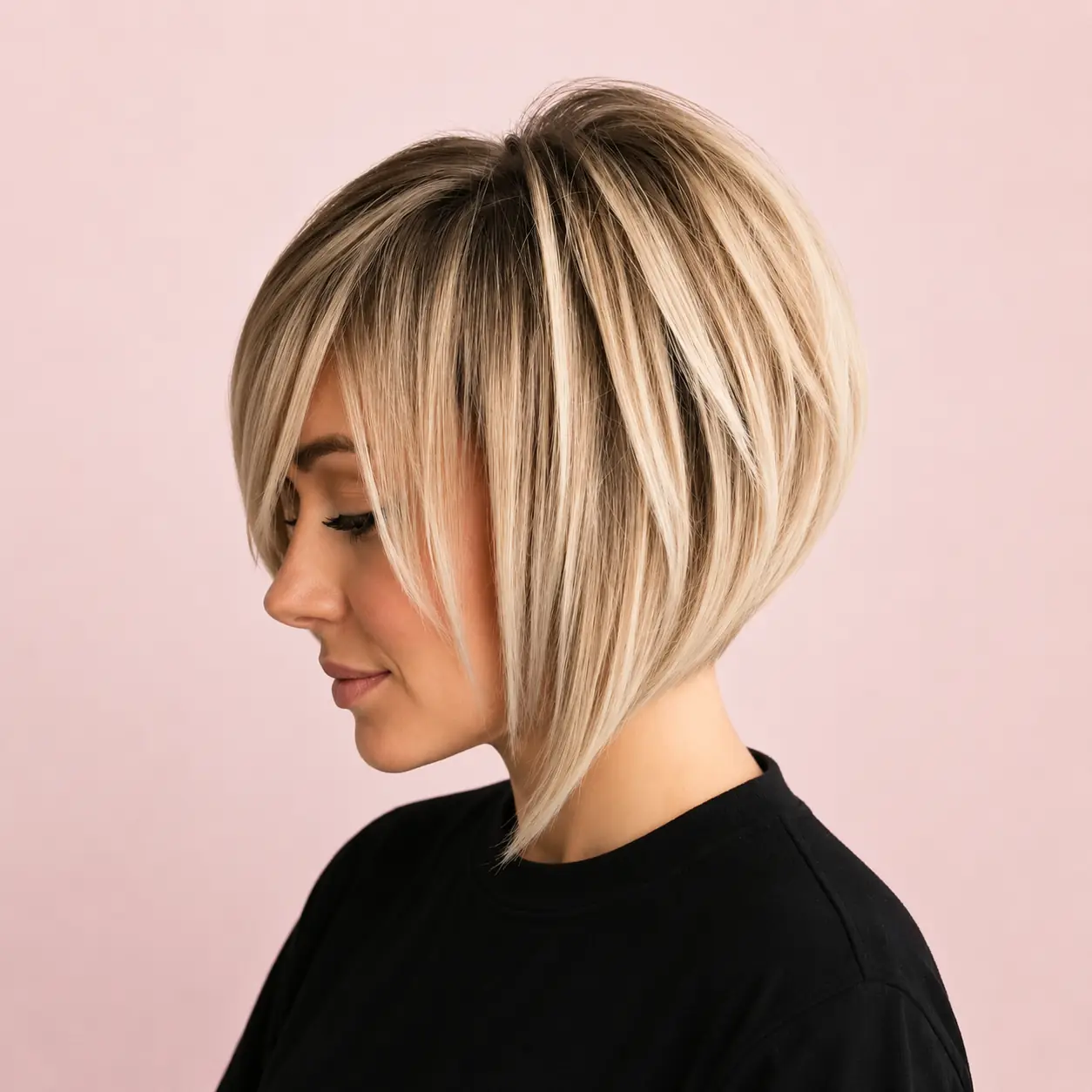
In an inverted bob, short layers through the back create instant volume, and the longer front pieces frame the face and help stretch a rounder outline. The grow-out is easy, since the stacked back settles as it gains length. Solid or subtly highlighted color suits the sharp shape better than chunky contrast.
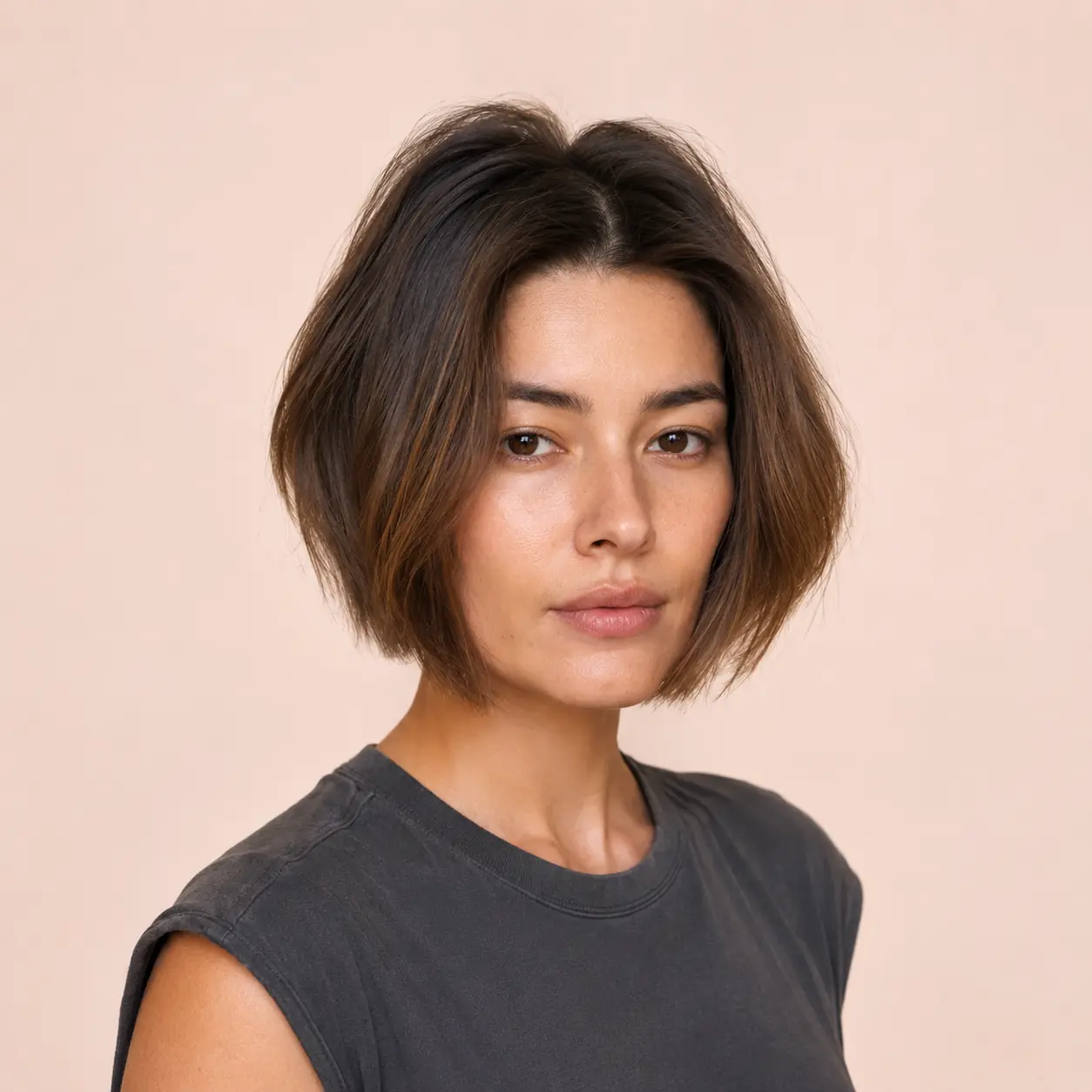
Internal layers remove bulk without touching the clean perimeter line, so you keep a polished outline with more movement inside. This is the cut to ask for if you love a blunt edge but find an all-blunt bob too heavy. Tell your stylist you want "the weight line at the jaw and point-cut internal layers" to avoid the helmet effect.
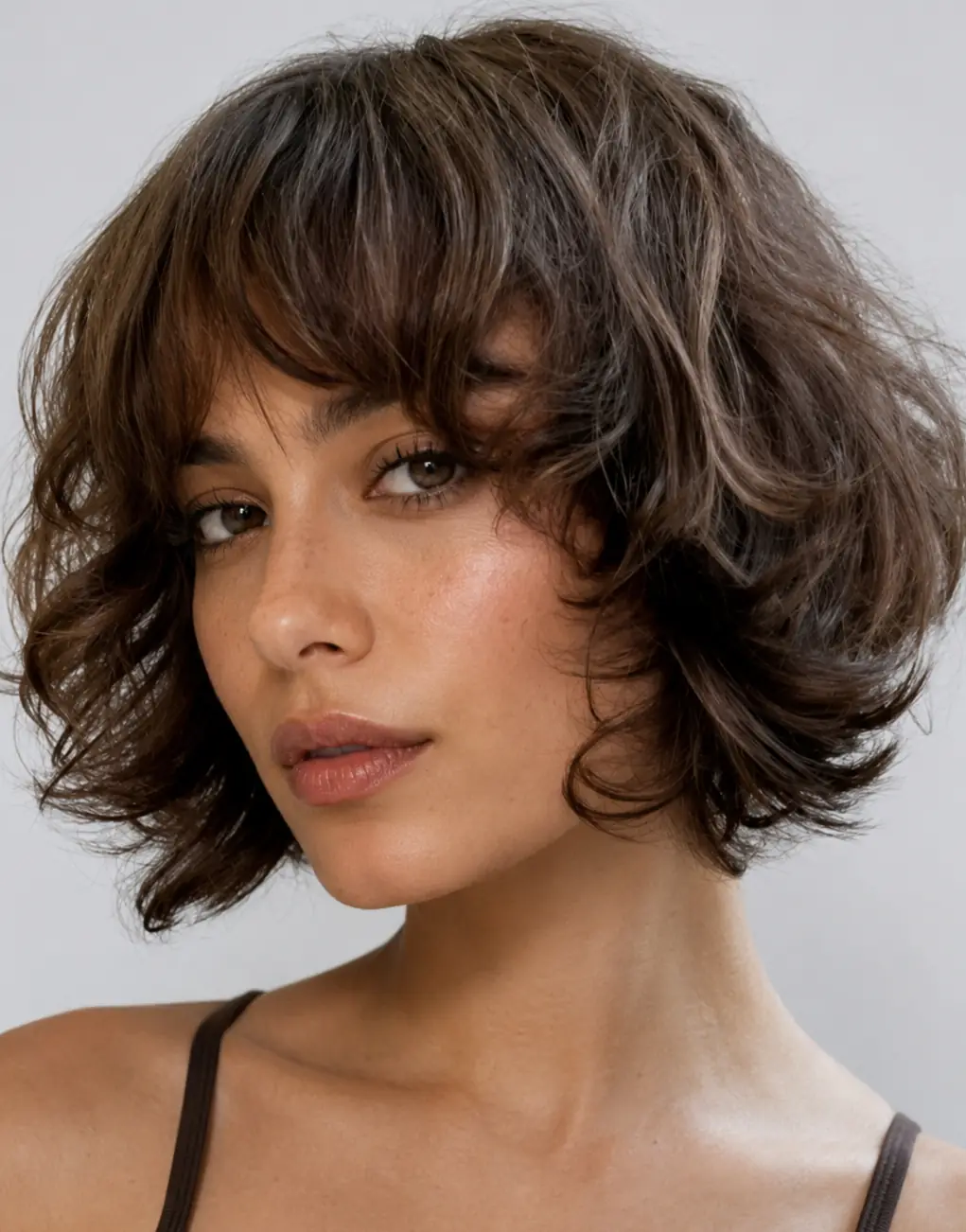
On naturally wavy hair, a layered bob lets the texture spring into full movement instead of widening into a triangle. Sliced layers distribute the volume evenly down the length. Scrunch in a curl gel on damp hair and air-dry for the easiest version of this look.
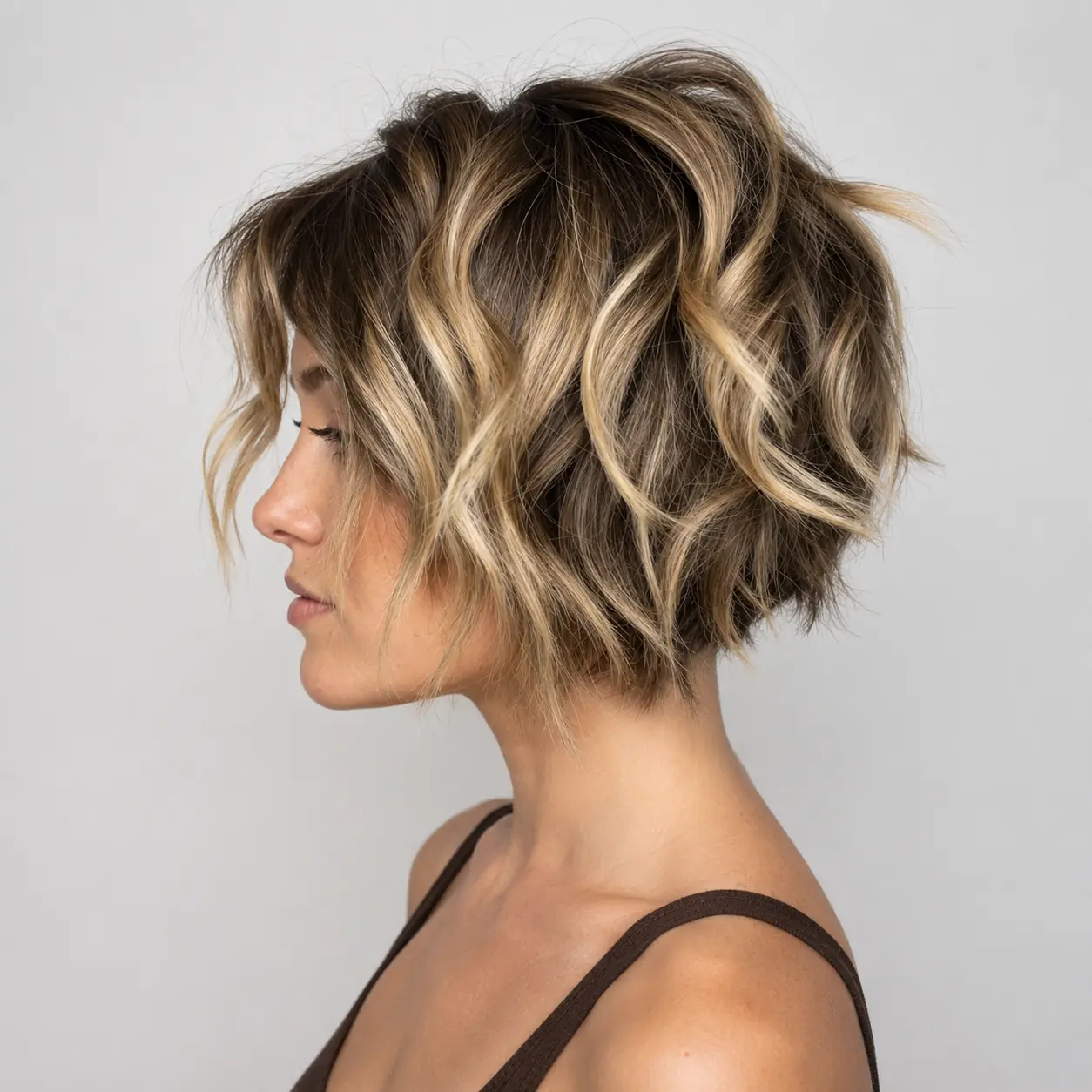
Delicate, feathery razored layers give this bob an elegant, modern lift that's classy without being fussy. On wavy hair, the feathering leaves the ends with a pretty flip. Bring photos to your stylist to communicate the piecey, razored finish, as feathering can mean different things to different cutters.

No wonder curtain bangs get so much love. They lighten a cut's perimeter and frame the face in a way that flatters nearly everyone. Curtain-shaped pieces blend into the bob's longest layers, so grow-out is painless. This pairing is one of the most universally wearable looks in the gallery.
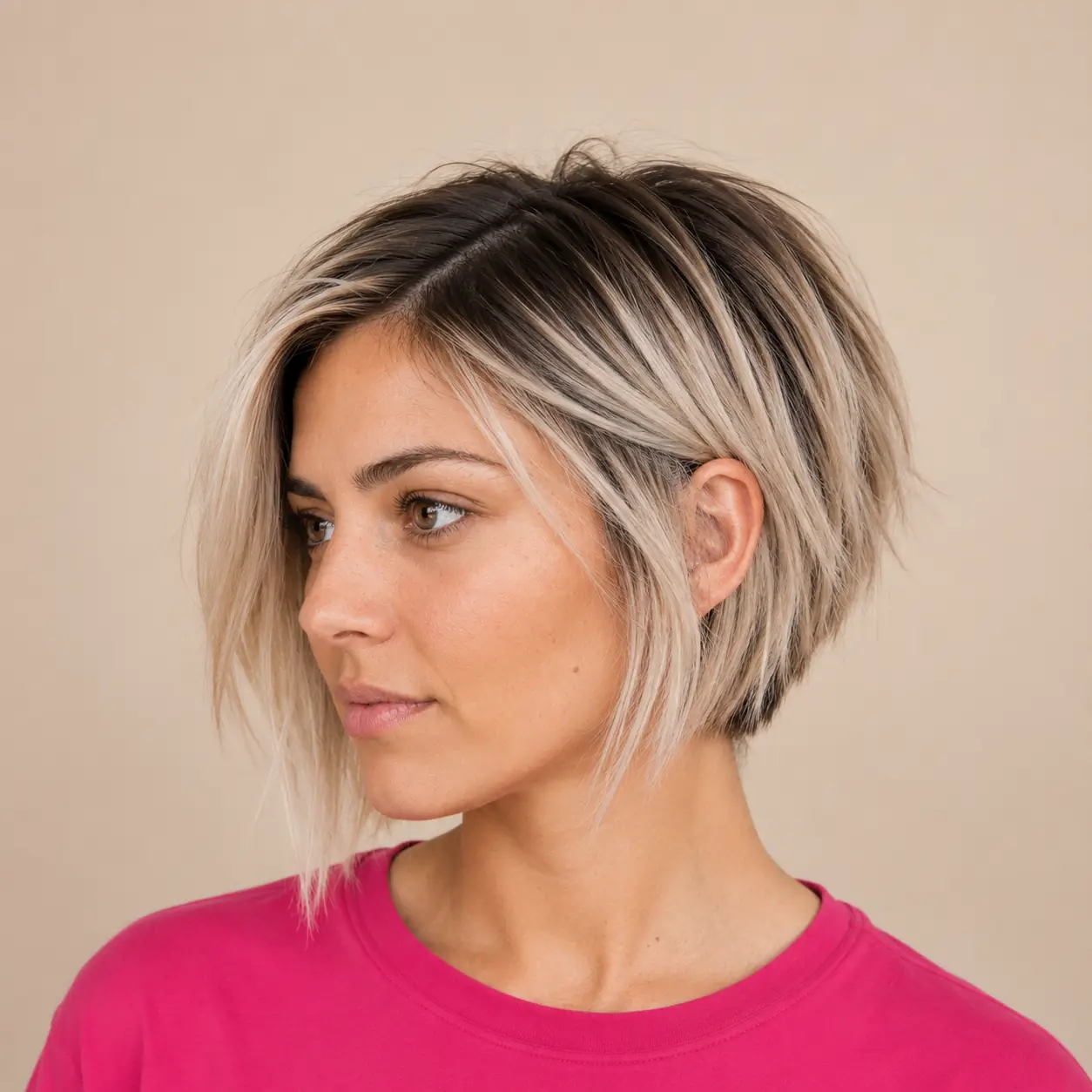
Choppy layers add the lived-in texture that defines the cut this year, and a smudged shadow root makes the whole shape look thicker while hiding regrowth. The combination buys you weeks between color appointments. Best on medium to thick hair that can carry the chop without looking sparse.
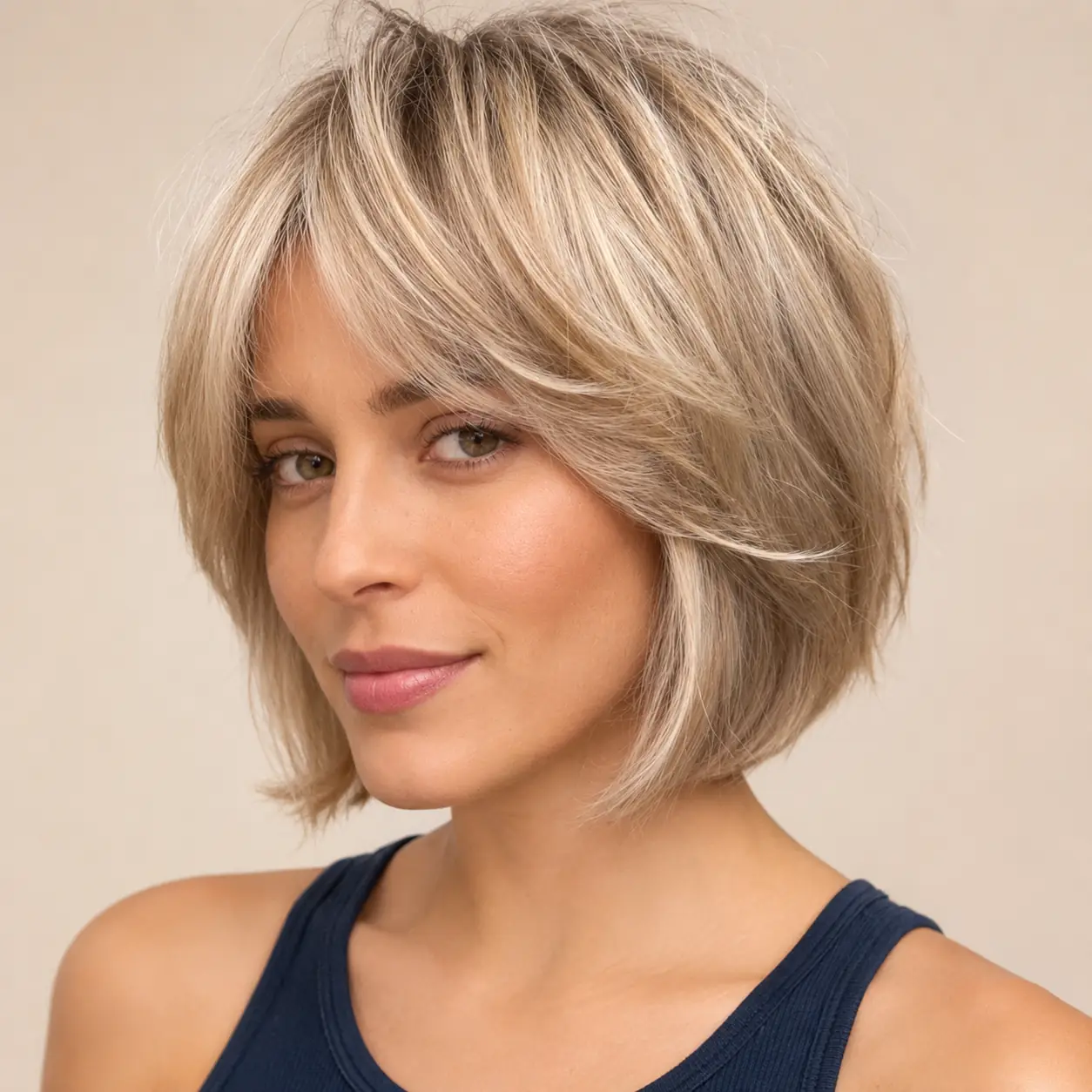
Sliced layers — cut by sliding the shears down the strand — create movement and lightness without removing the perimeter. This approach makes the look airier and more interesting than a blunt cut. The technique suits straight and wavy hair that needs to shed some weight. Ask specifically for "slide cutting through the mid-lengths."
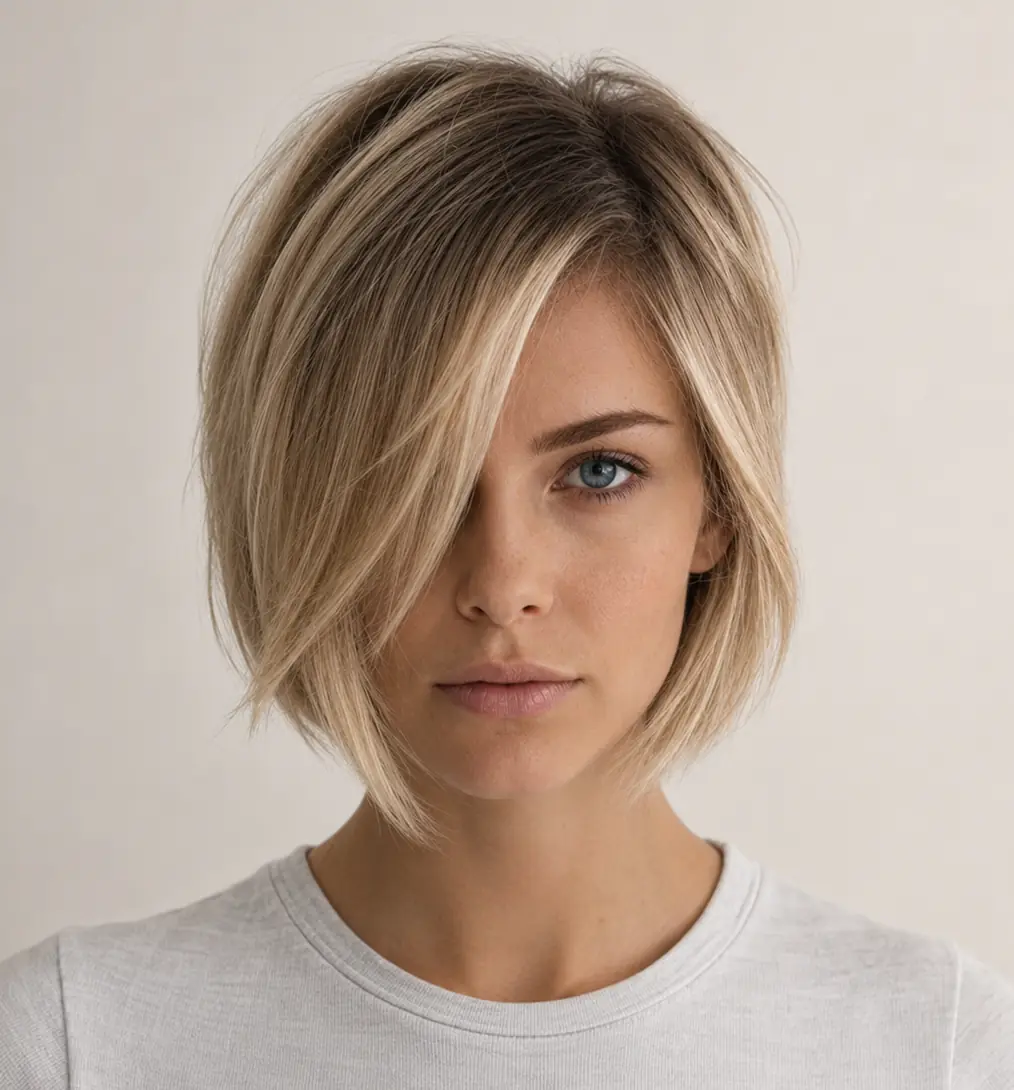
A rounded outline and blunt ends help fine hair look fuller, using the same principle that makes bobs for fine hair so effective. Go light on layering, since anything too heavy or razored can make the ends look even finer. For extra body, work in a volumizing mousse and blow-dry with a round brush.
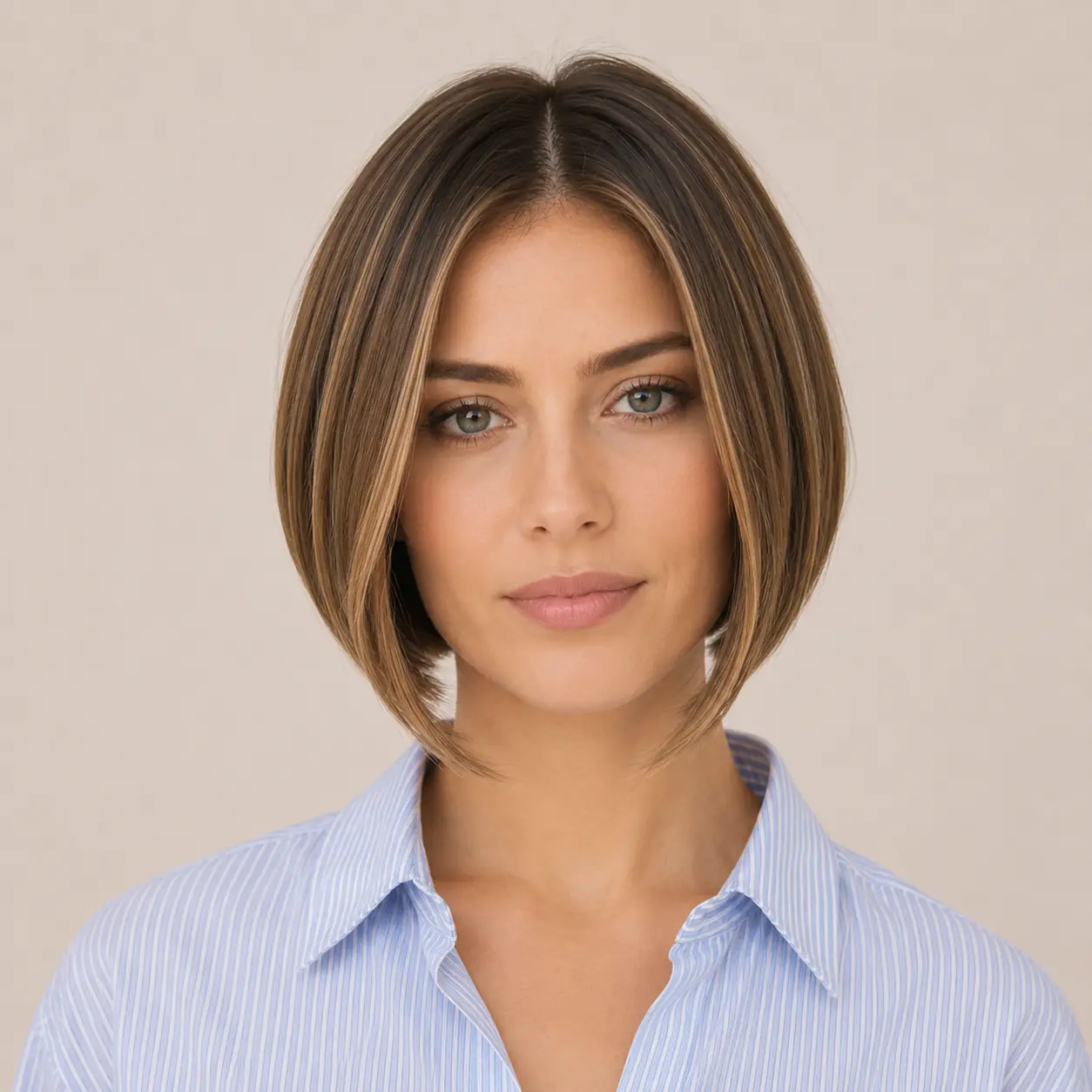
Thick hair benefits from an angled bob because the shorter back reduces weight while the longer front keeps the shape interesting. Internal layering removes bulk so the cut doesn't puff out at the sides. It's one of the most flattering short options for a strong, square jaw.
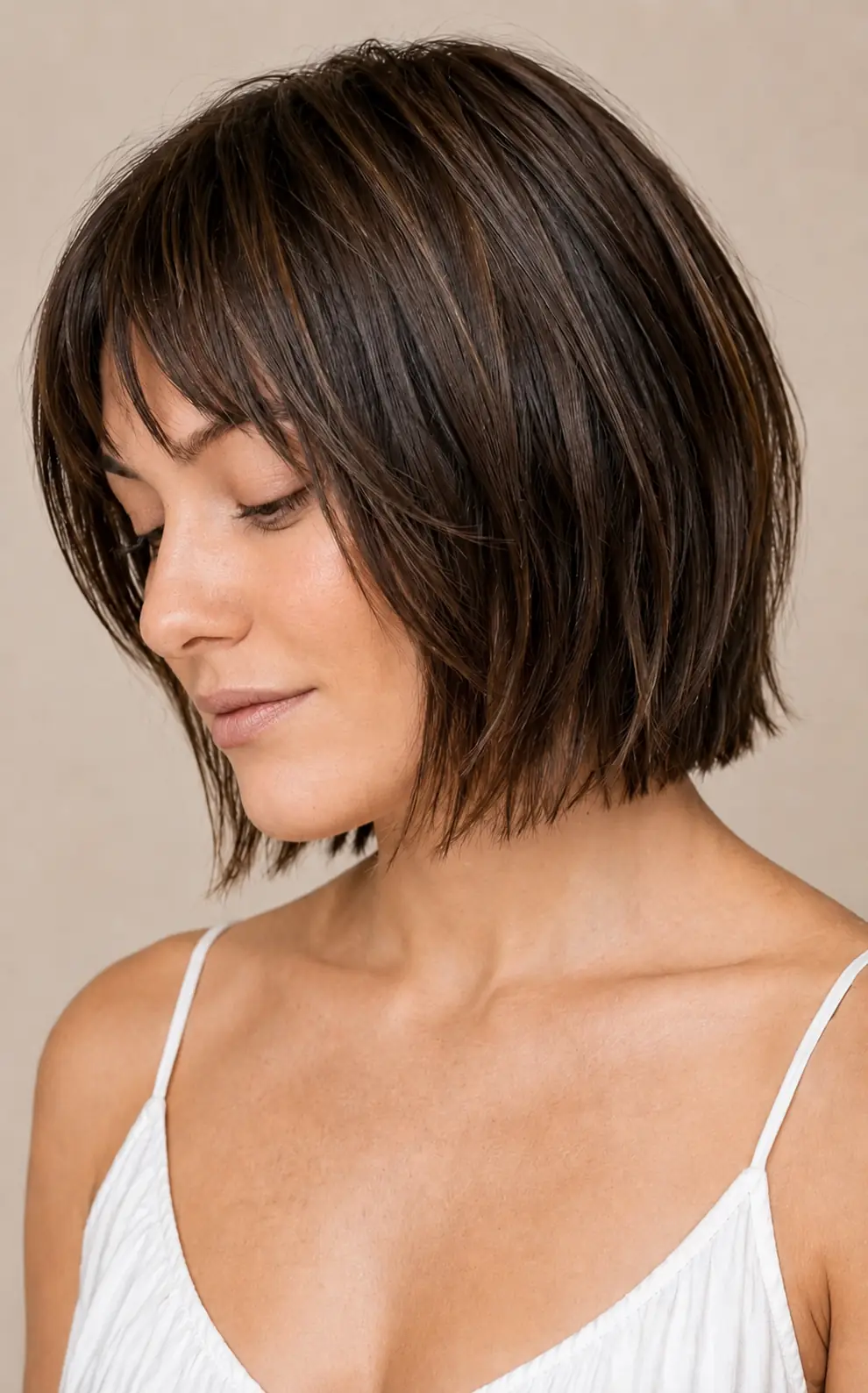
Cropped to the nape with only interior layers, this is the cleanest, most understated cut in the bob family. A rich, natural color like chocolate brunette suits its down-to-earth simplicity. Choose it if you want short and tidy without any fuss.
Ranging from wispy to wolfish, the short shag brings choppy layers, lived-in movement, and bangs that can be shaped to suit any face. It carries texture as its whole identity, so it suits thick and wavy hair that wants weight removed, and it's the most forgiving on grow-out. Shags are not the family to pick if you want a sleek, controlled finish.
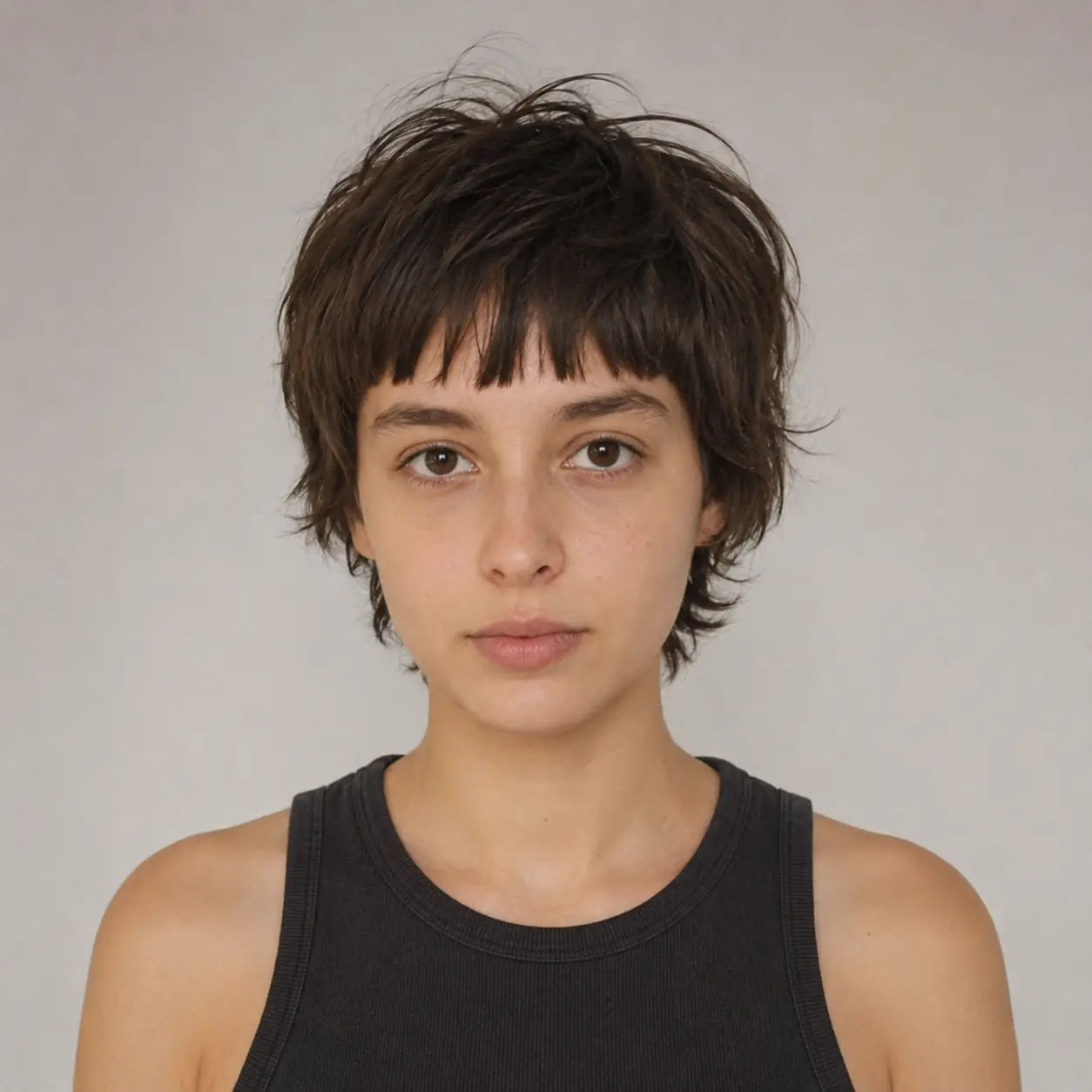
Choppy, blended layers and gentle bangs give the short shag its '70s-coded, effortless energy updated for now. The layering distributes volume so thick hair doesn't pile into a pyramid shape. It's a personality-forward cut that still grows out gracefully.

Lighter, wispy layering keeps a shag from overwhelming fine or thin hair, adding body without removing what little weight you have. Face-framing pieces and eye-grazing bangs do the flattering work. Air-dry with a leave-in and a touch of lightweight gel for the easiest finish.
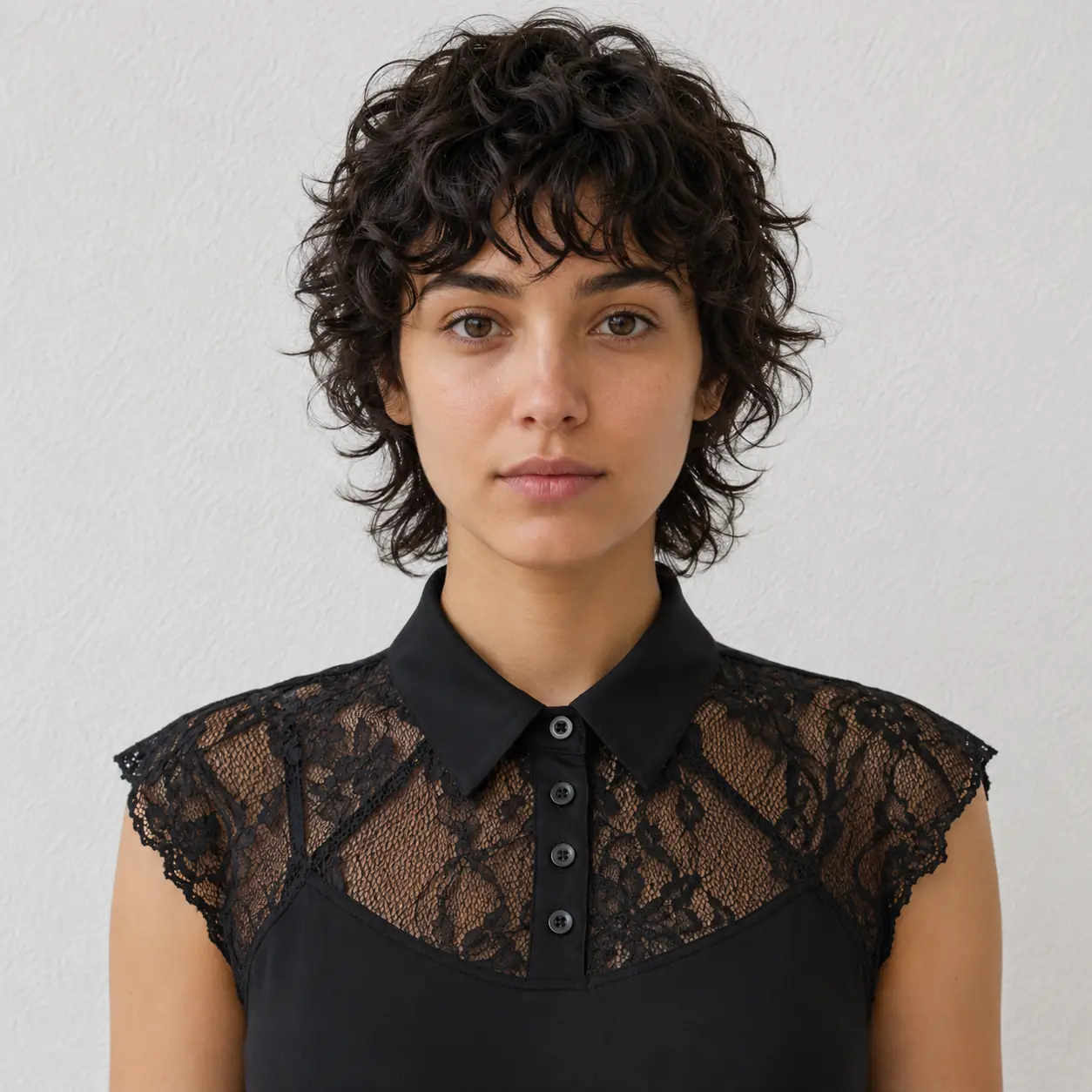
On curly hair, a short shag cut with blended layers enhances the natural pattern and prevents the dreaded triangle by distributing volume evenly. The choppy layers give curls somewhere to spring. A dry cut is non-negotiable here so the curls land where they should.
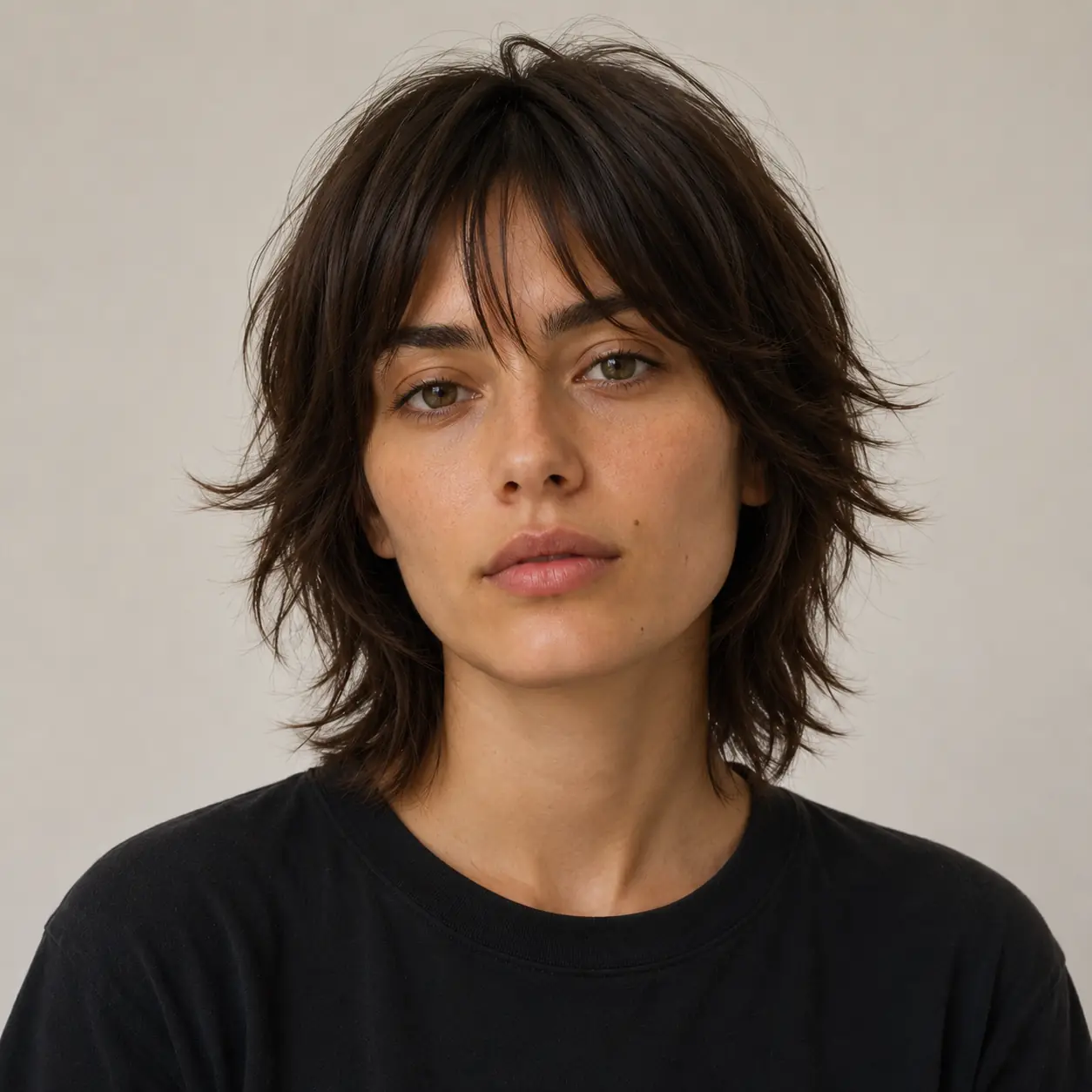
The wolf cut pushes the shag further with sharper contrast between the shorter, spiky crown and longer, shaggier nape. It's bolder and more dramatic than a shag, with stronger layering and more attitude. Choose it over a shag when you want the texture to be contemporary or edgy.

Blend a bixie's compact shape with a shag's choppy layers, and you get a short cut with maximum movement and minimum length. Thanks to the shaggy texture, fine hair looks denser and thick hair has some breathing space. It's one of the most modern short shapes you can ask for right now.
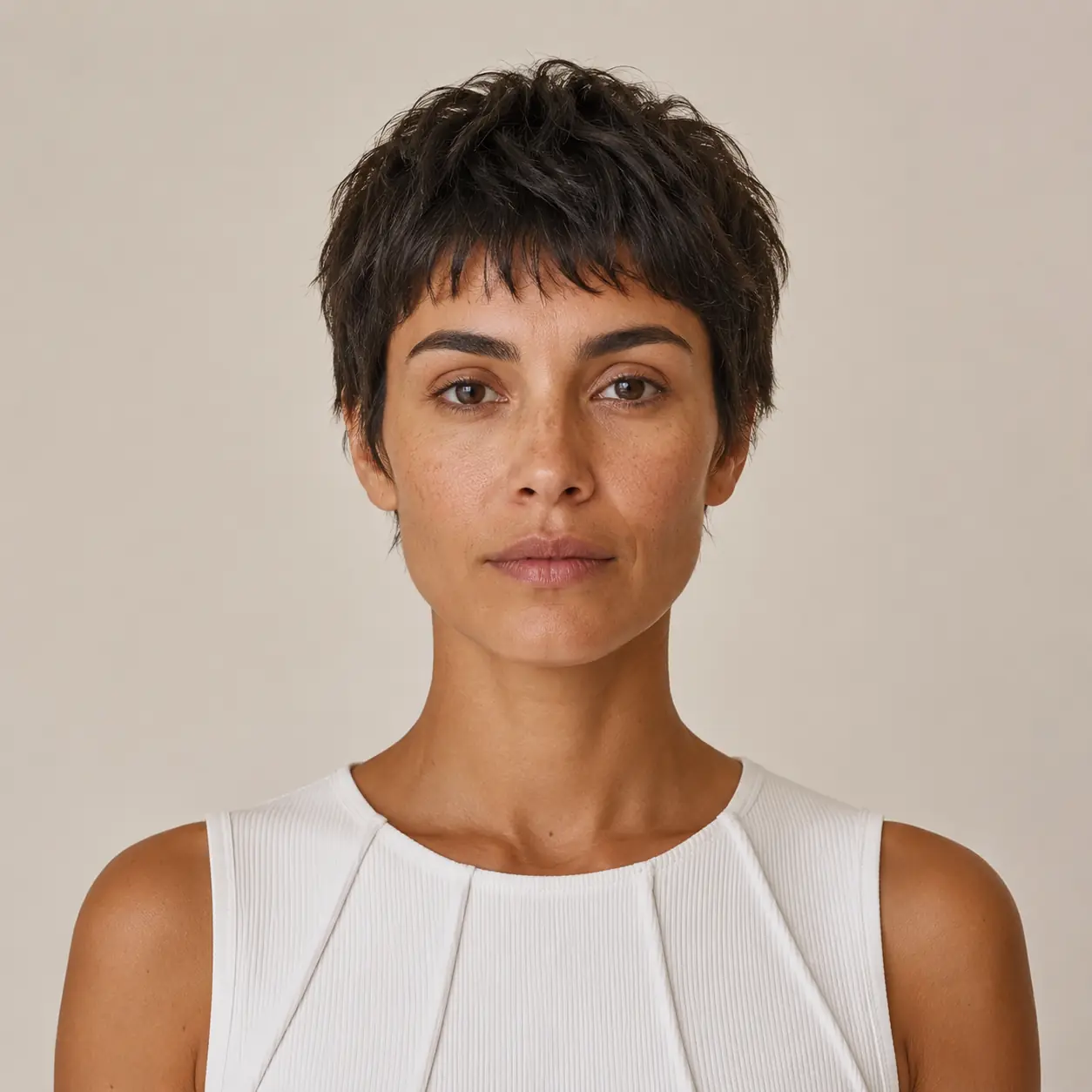
A super-short razor crop is having a real moment, prized for the fluid, accidental-looking finish a cutting razor creates. The razor removes weight where needed and adds texture so the cut falls perfectly when air-dried. It's ideal for anyone who wants to dabble in very short hair with a nonchalant, undone result.
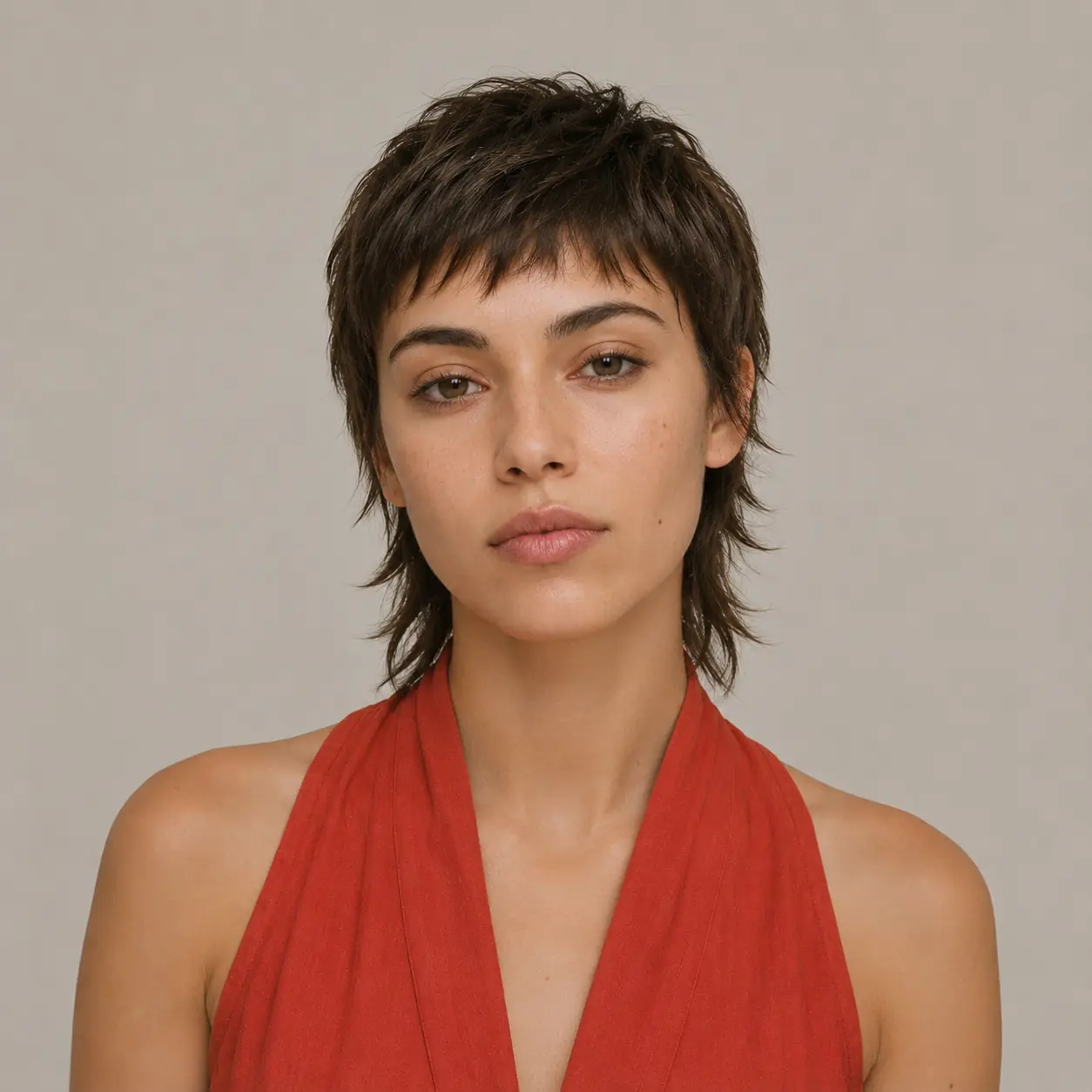
The mixie combines a short top with a longer, layered nape for a fun shape that distinctly nods to the mullet. It is a simple way to try that attitude without a big length jump. A touch of texture paste through the top keeps the contrast clear.
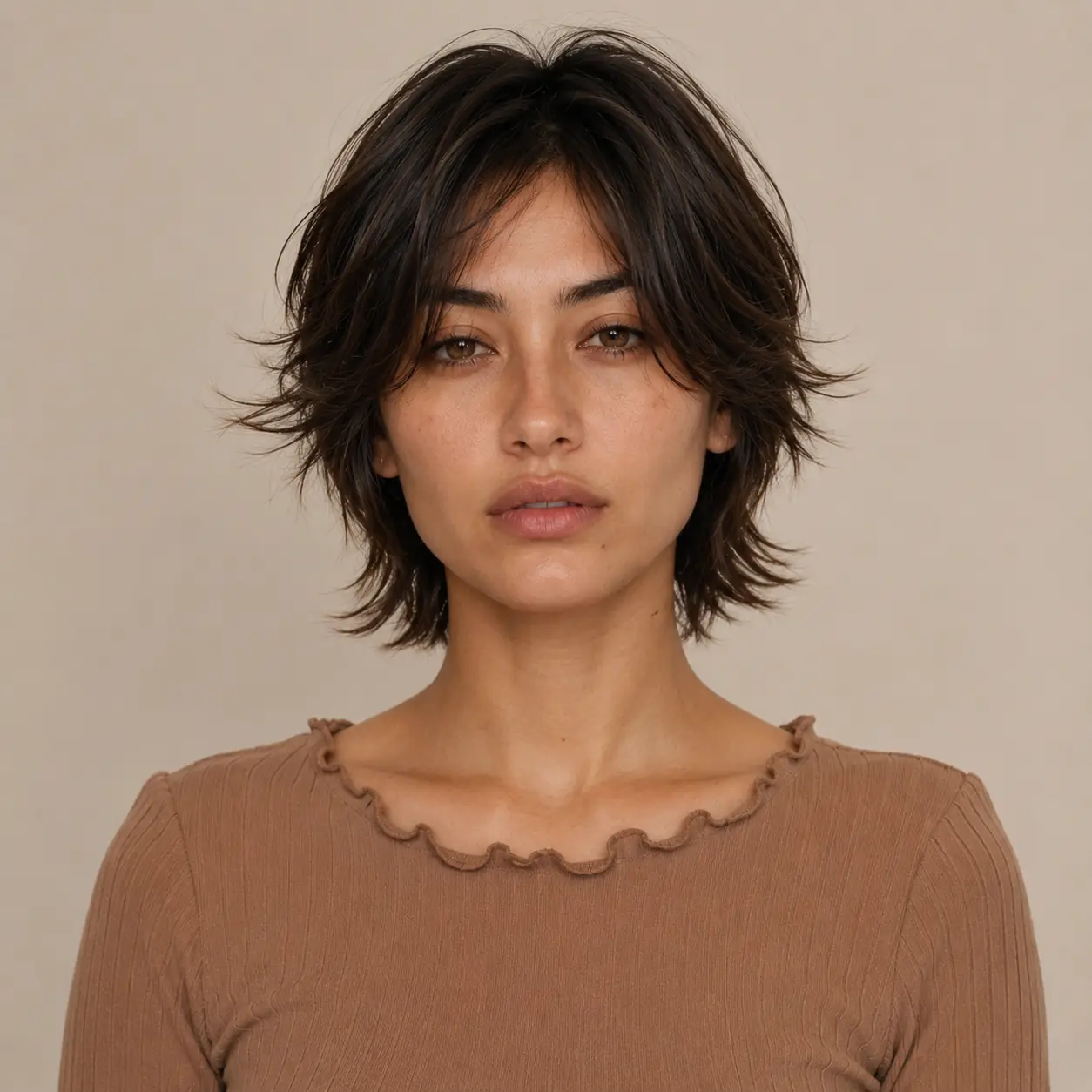
Following 2026's face-contouring trend, the first layer starts at the cheekbone to add dimension the way bronzer would, with textured ends that catch the light. The placement is deliberate — these layers are cut to flatter your specific bone structure. To replicate the effect, ask your stylist for "precision layers starting at the cheekbone with textured ends."
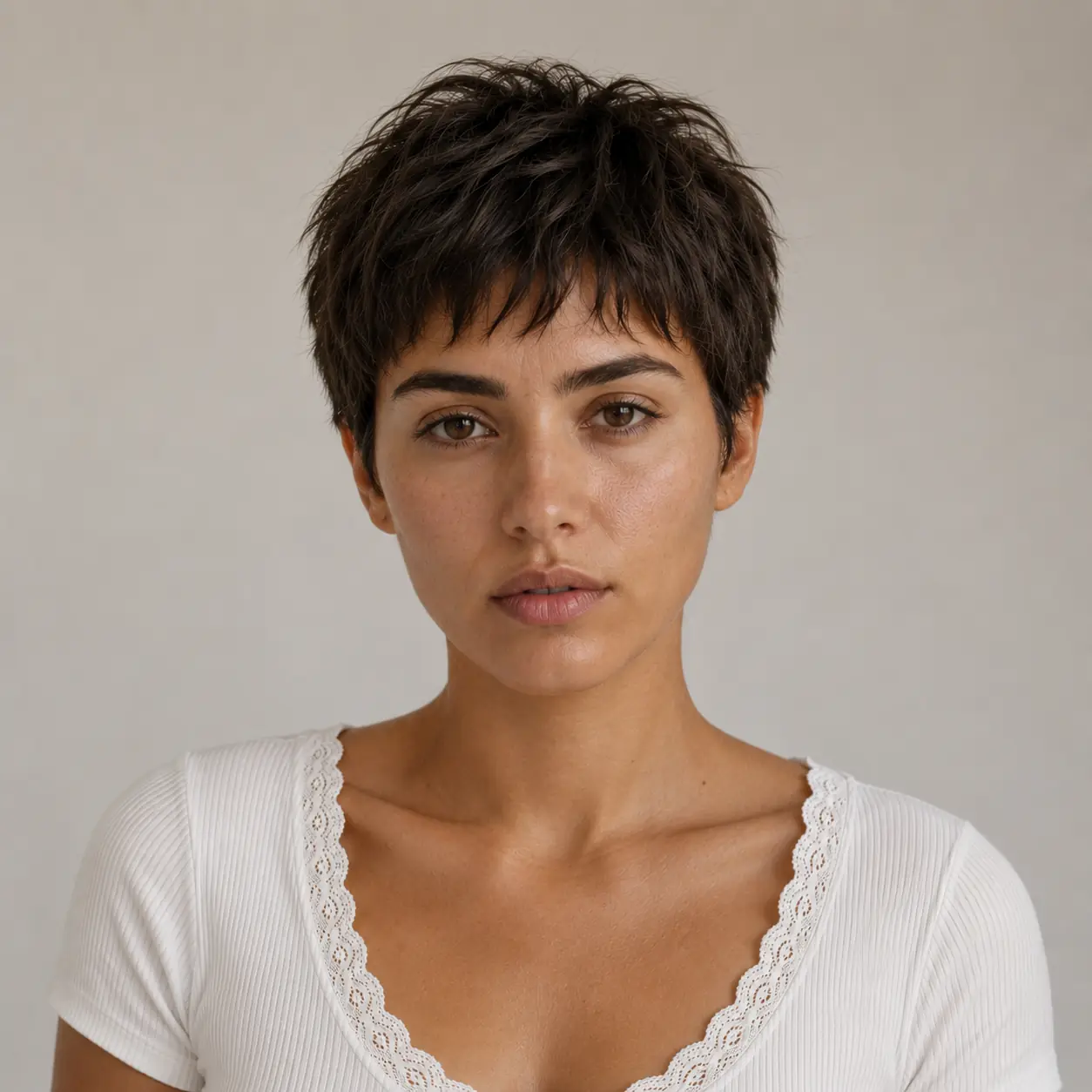
Heavy thinning is out; for thick hair, controlled point-cutting through a short crop removes just enough bulk to keep the shape from expanding. You'll get a full cut with clean movement and zero poofiness. This is the cut to ask for if past short styles have left you with too much volume at the sides.
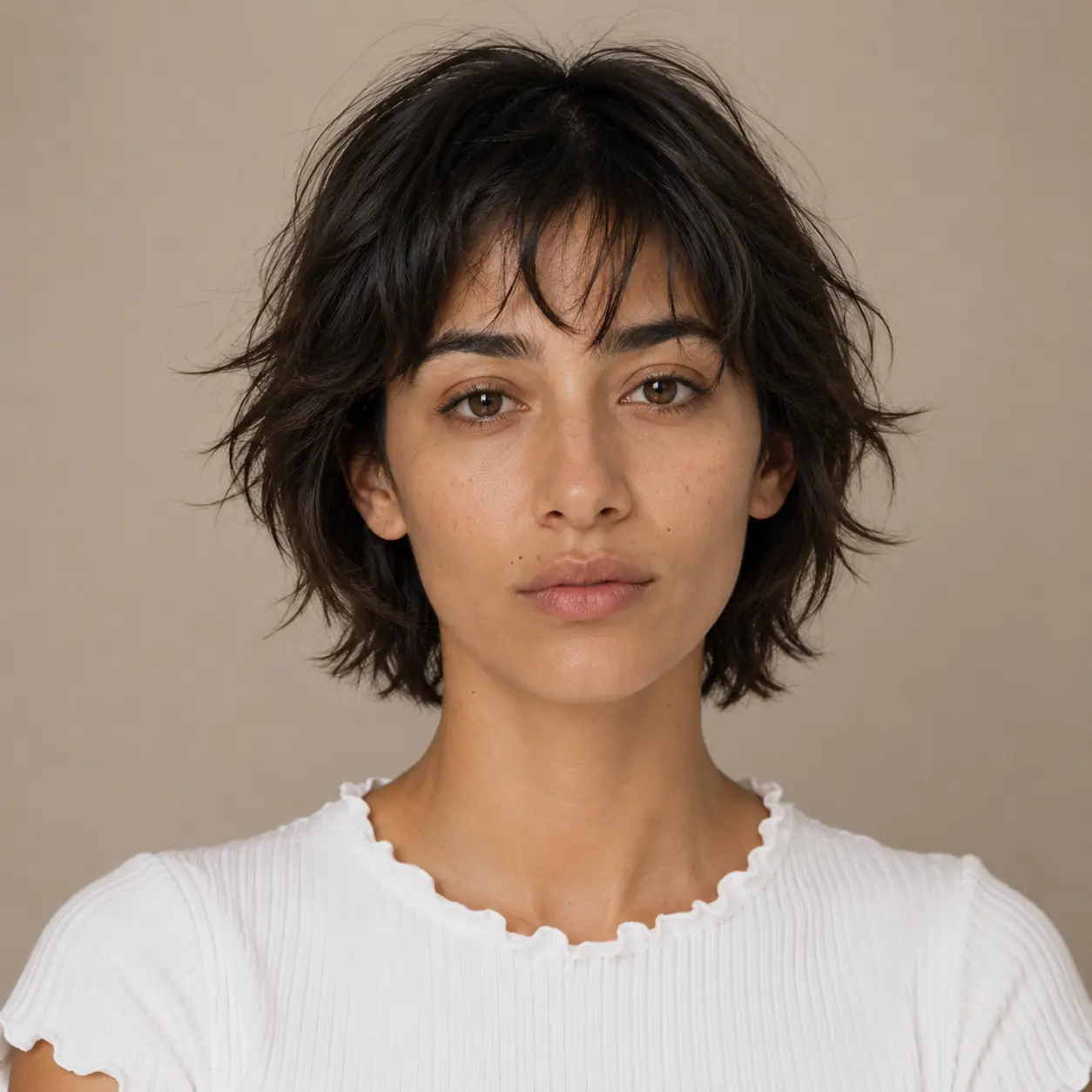
A shag is easily the most forgiving short cut on grow-out. The layers blend naturally, so you can stretch 8–10 weeks between trims and still look put-together. That low-frequency upkeep is a genuine advantage over a blunt bob or pixie. The trade-off is that it needs daily texturizing product to look styled.
The same cut behaves completely differently across hair types, so the smartest way to choose short layers is to start from your texture and density. For instance, fine hair needs layers placed to build volume, thick hair needs bulk removed, and textured hair needs shaping that works with their natural curl pattern. Use this section to match the approach to your hair before you book.
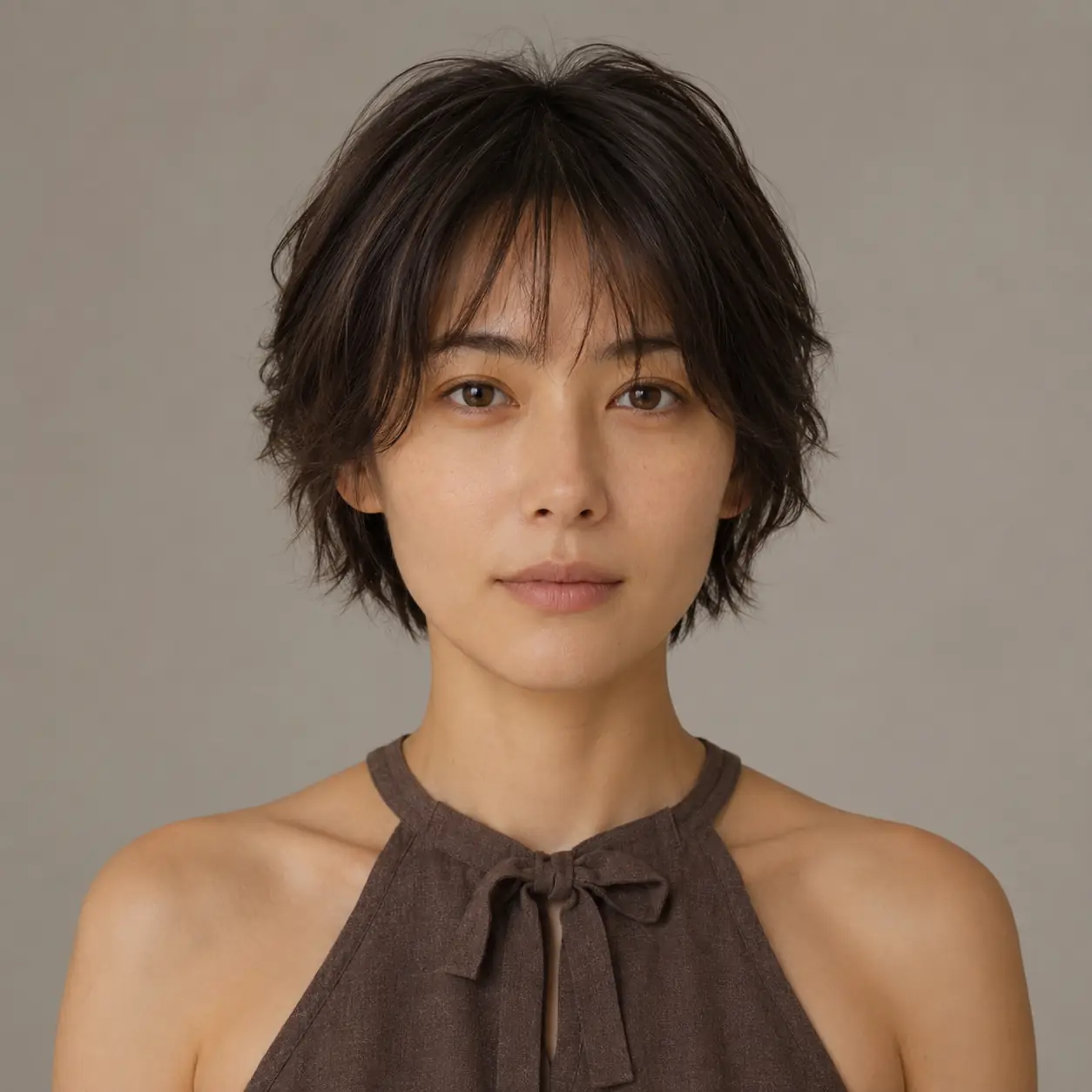
Short lengths keep fine hair from dragging flat, and strategic layers through the crown create the appearance of more volume. Keep the perimeter relatively blunt so the ends don't look transparent. Avoid long, heavy layers that remove what little density you have.

Stacked or graduated layers at the crown lift thin hair where it falls flattest, while a darker root or shadow color adds the illusion of depth and thickness. Stylist tip from TheRightHairstyles' contributor Julie Facer: on finer textures, point cutting the perimeter rather than razor cutting keeps weight in the ends, so the hair reads fuller instead of wispy.
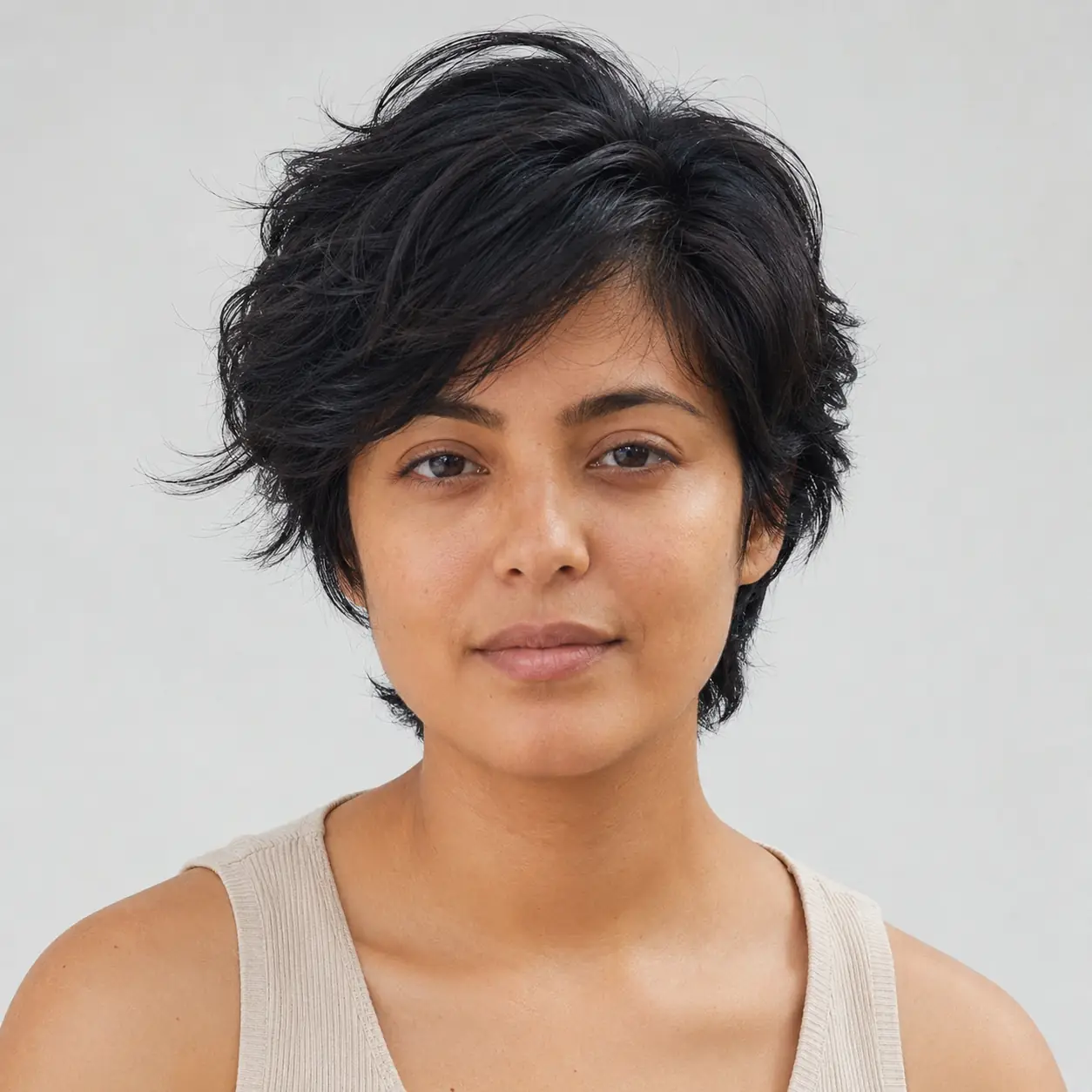
Internal layers and careful point-cutting remove weight from the inside so a short cut on thick hair lies smooth without puffing out. The outer shape stays neat while the interior feels lighter and easier to work with. This is the difference between a thick-haired bob that puffs and one that falls beautifully.
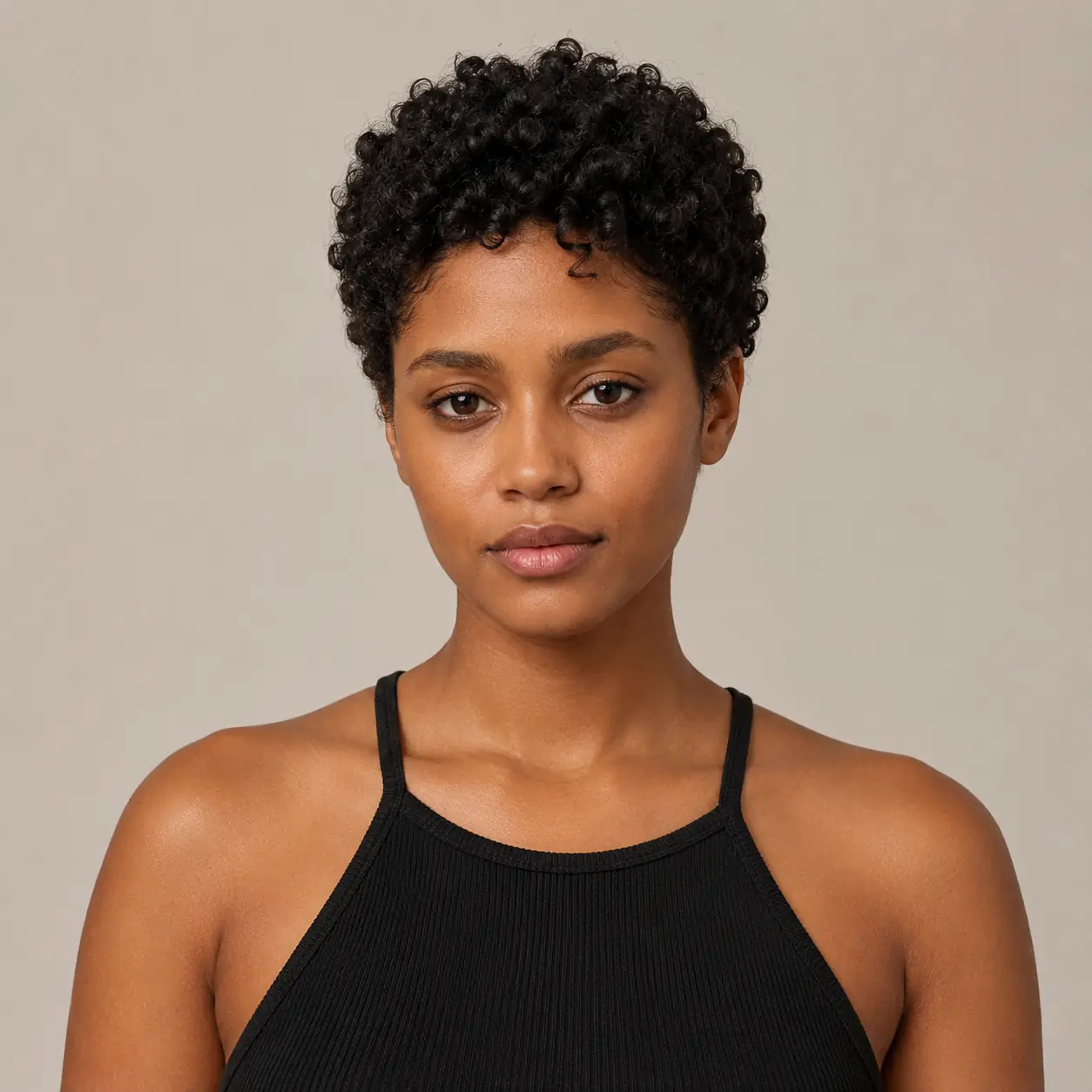
On tightly coiled 4A-4C textures, layers carved into a short shape define the curl clusters and keep the silhouette rounded and balanced. A dry cut lets the stylist account for shrinkage, which can hide a third of the length. Finish with a curl cream and a leave-in to lock in moisture and definition.
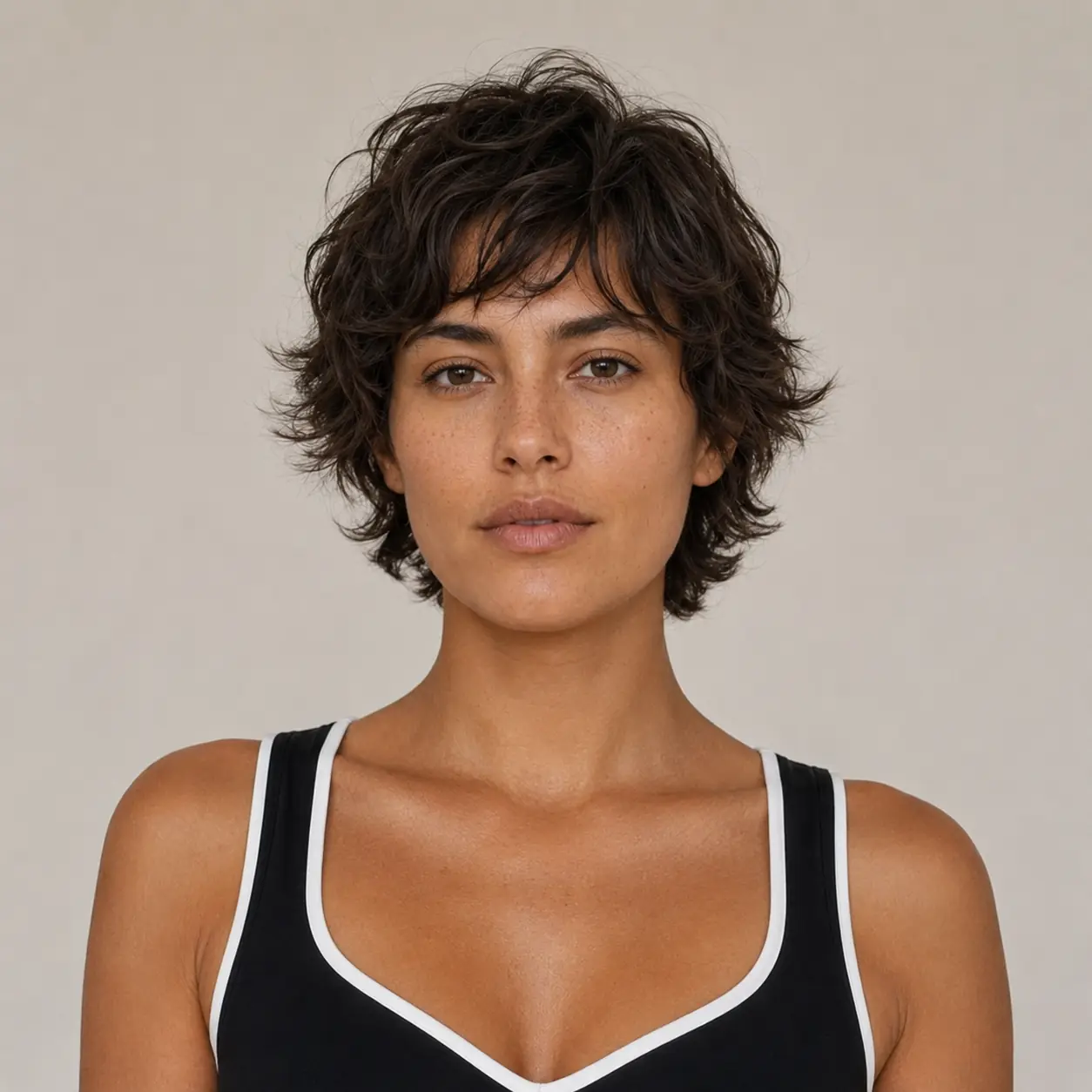
Wavy hair gets the most out of sliced or feathered layers, which release the wave into natural movement. Scrunch a curl gel into damp hair and let it air-dry for a near-effortless finish. Our short wavy hairstyles show why this texture is arguably the easiest match for short layers.
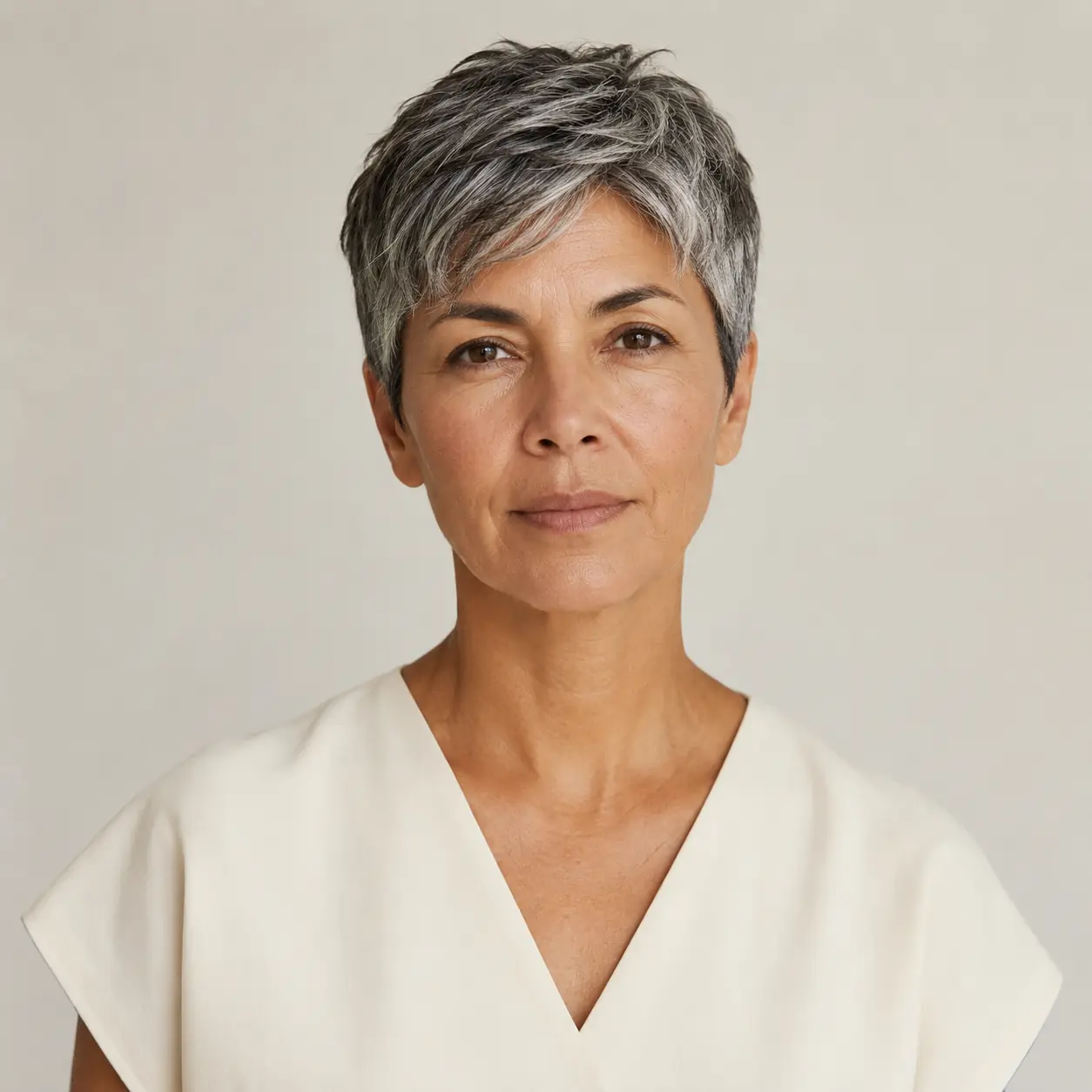
Layering separates lighter and darker strands on natural gray or silver hair, adding dimension that a solid shade can't show on its own. A compact pixie keeps the look modern and sharp, a theme that runs through most modern styles for women over 50. It's a low-fuss but high-impact way to wear silver with intention.
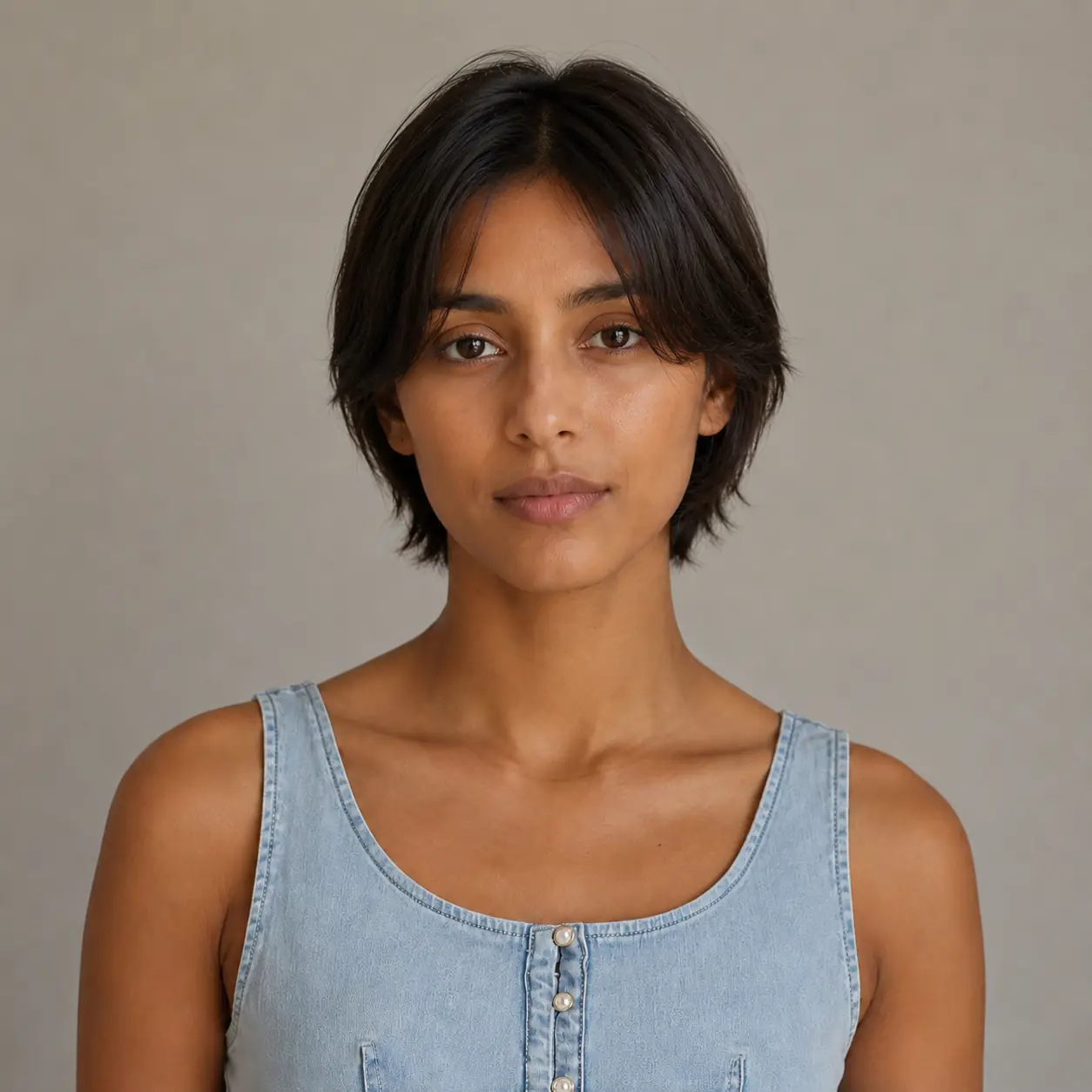
Straight hair reveals every detail, which makes precision key. Blended layers create movement without tipping into choppy or uneven territory. You can go blunt or sliced at the ends, depending on the final look you want. A smoothing serum keeps the ends glossy and controlled.
This year, shades that look expensive in natural light are in trend for all age groups. Choose colorings that make you look vibrant and alive, not washed-out. These can be solid all-over shades, highlights, or the trendy salt-and-pepper blending. Consult with your hair colorist, as on short hair, color shows up with more impact because there's less room to transition, so placement matters even more than on long hair. These styles show how 2026's most-requested shades show on short layered shapes.

Bangs, lived-in texture, and rich, dimensional color are the ultimate cheat code for keeping a short layered cut feeling majorly now after 50. This year, the look leans hard into moody, high-impact dark shades, bringing in molten espresso, rich espresso-cherry, and deep obsidian with subtle, glossy undertones that catch the light rather than flat-lining.
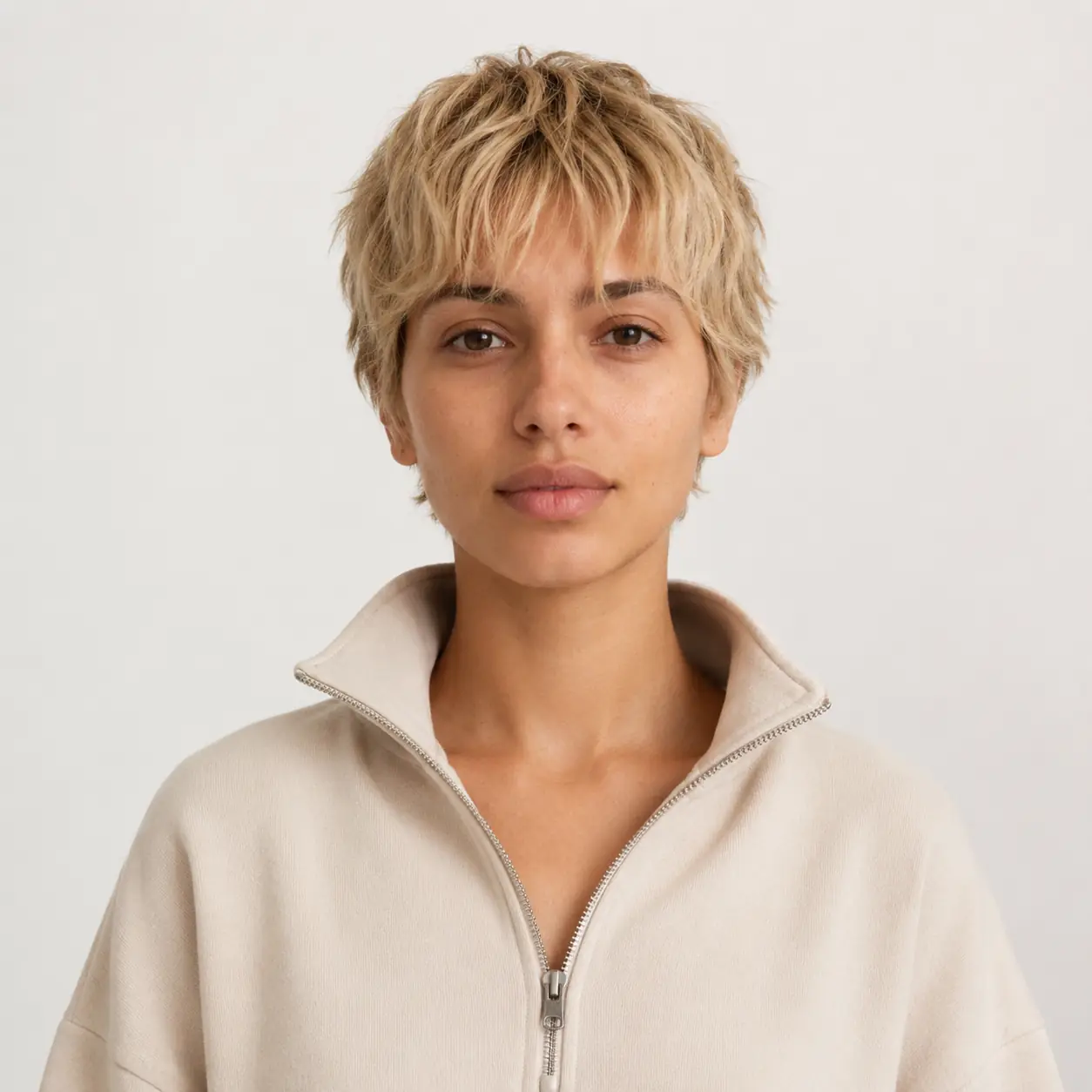
Butter blonde is the blonde of 2026. It's creamy, warm, softer than icy platinum, and it gives short layers a healthy glow. A soft root shadow keeps it dimensional and lets it grow out gracefully. It flatters warm and neutral skin tones especially well.
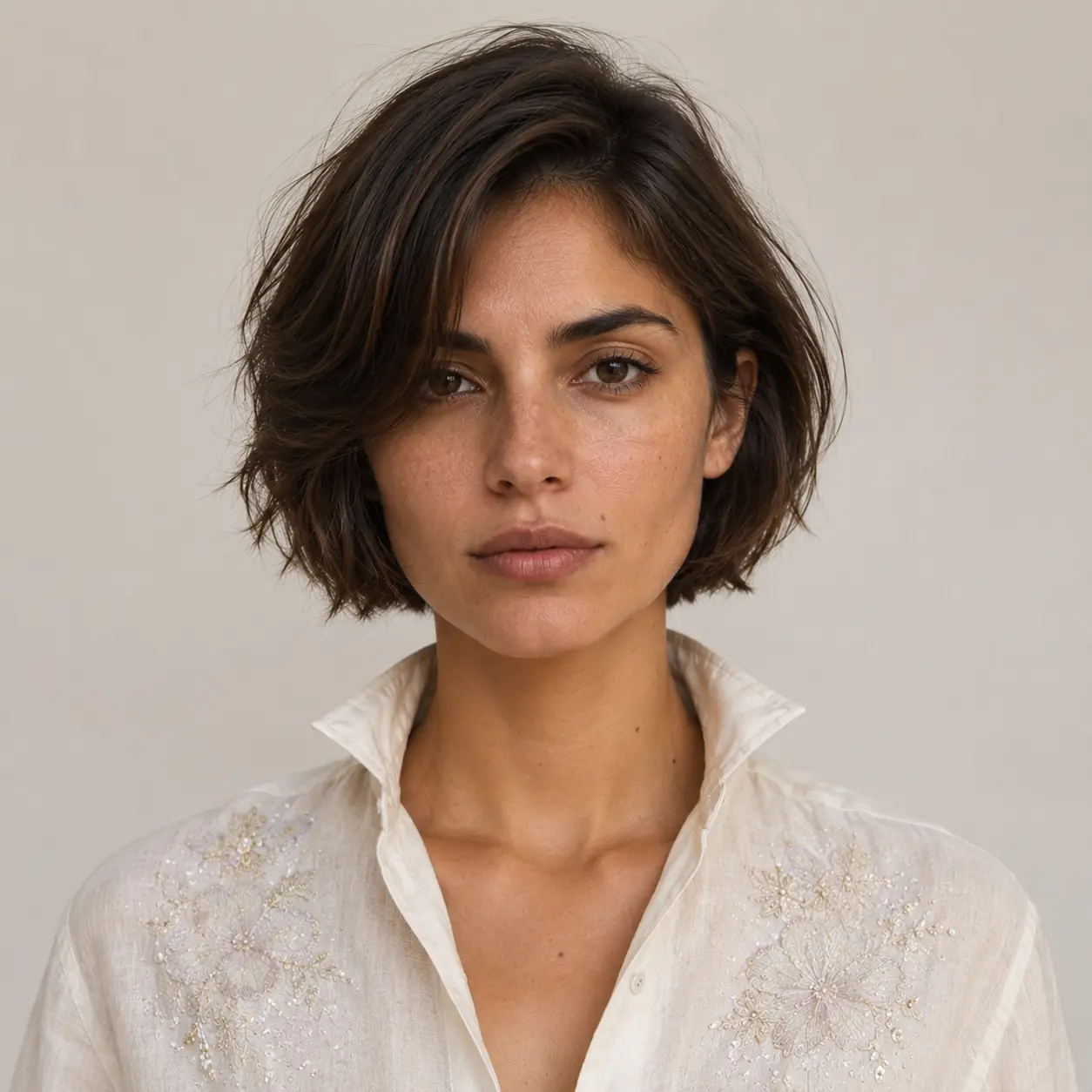
Rich, warm "lush truffle" brunette brings glowy depth and a slight red shimmer to a short bob, moving away from cooler browns. Need something without a big commitment? A semi-permanent gloss will get you there, adding shine and hydration along the way. The dimension is what makes even a simple cut look cohesive and polished.

Copper in 2026 is deeper and richer, with tones like cowboy copper and copper rose that glow on a textured crop. Because the color reflects light through each layer, a short, piecey shape shows it off beautifully. It is a statement-making shade that is surprisingly wearable at the same time.
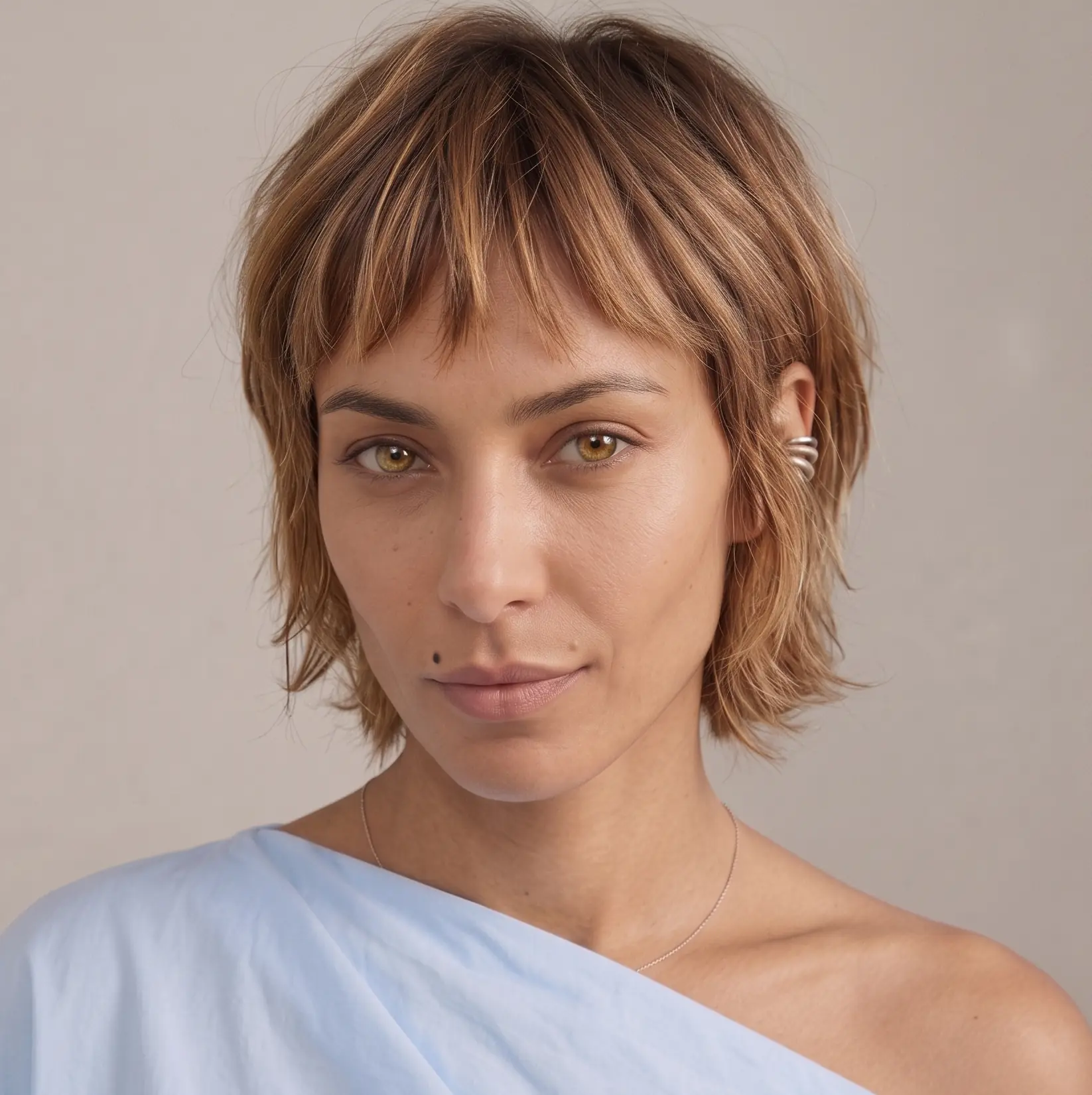
Bronde melts blonde and brunette into a soft, sunlit dimension that suits a short shag's lived-in texture perfectly. Seamless color melting brings the brightness closer to the root, so grow-out is low-maintenance. It's the "just back from vacation" look in short form.
Short layered cuts can flatter every face shape, but the placement of length and volume is what makes or breaks the result. The goal is balance: add height or vertical lines to counteract roundness, blur angles with curved layers, and avoid width at the cheekbones where a face is already full. Use the guide below as a starting point, then refine it with your stylist based on your features.
| Face Shape | What to Aim For | Flattering Cuts | Go Easy On |
|---|---|---|---|
| Oval | Almost anything — keep balance | French bob, bixie, layered pixie | Heavy volume that adds length |
| Round | Height on top, vertical lines | A-line bob, side-swept pixie, long pixie | Chin-length blunt cuts with center parts |
| Square | Soft, curved layers to offset the jaw | Rounded pixie, soft shag, wispy bob | Sharp blunt lines at the jaw |
| Heart | Width and weight near the jaw | Chin-length bob, pixie bob, curtain bangs | Heavy volume at the crown |
| Oblong / Long | Width at the sides, fringe to shorten | Bob with bangs, textured crop, French bob | Tall volume on top |
Round faces are flattered by a longer pixie or an A-line that creates vertical movement, while a chin-length blunt bob with a center part tends to emphasize width. Square faces get balanced with rounded, curved layers rather than geometric perimeters. If you carry weight under the chin, keeping the shortest layers above the jaw and adding a little height on top draws the eye upward. Our guide to short styles for round faces goes deeper on this.
Most people don't know the professional terms for the cut they want, and "just give me some layers" leaves far too much to interpretation. Bring two or three reference photos (including one or two of cuts you dislike) and use specific language about length, layer placement, and texture. The vocabulary below bridges the gap between what you picture and what the stylist hears.
Short layers trade length for upkeep: the shorter the shape, the faster it loses its line, so most of these cuts need a trim every 4–8 weeks depending on the style. The styling itself is usually quick — a few minutes with the right product — but the cut depends on a sharp shape to look neatly done. Here's the realistic picture before you commit.
Cutting short is a bigger leap than changing color, and it's hard to undo on a whim, so it helps to preview a cut on your own face before you book. You can test short layered shapes and 2026 colors with a hairstyle try-on tool. Seeing a bixie or French bob on your features rather than a model's takes much of the guesswork out of the decision.
If you're still deciding whether short layers are right for you, these answers cover the practical details people usually want to know first.
A pixie is the shorter of the two, cropped close at the sides and nape with minimal length on top. A bixie blends a pixie and a bob. It keeps the short sides but leaves more length and layering up top and at the front, so it's more versatile to style. If you want pixie-level upkeep but a little more to work with, the bixie (or the newer trixie, which sits between the two) is the better fit.
Yes, when they're placed correctly. Layers stacked or graduated at the crown lift fine hair where it falls flat and create the appearance of fullness. The key is keeping the perimeter relatively blunt and avoiding long, razored layers, which thin the ends and can make fine hair look sparser rather than fuller.
It depends on the cut. Pixies and bixies hold their shape for about 4–6 weeks, layered bobs for 6–8 weeks, and short shags and textured crops for 8–10 weeks because their layers blend as they grow. Shorter, more structured shapes lose their line fastest and need the most frequent visits.
Thick hair does best with cuts that remove interior bulk while keeping a clean exterior: an angled bob, a textured crop, or a short shag with internal point-cutting. Avoid heavy thinning shears, which can leave frizzy or uneven regrowth. The goal is to lighten the inside so the shape lies flat instead of expanding at the sides.
Absolutely! A sculpted curly pixie or curly short shag works beautifully and is genuinely low-maintenance once shaped. Ask for a dry curl cut so your stylist can place layers where each curl actually falls and account for shrinkage. Finish with a curl cream and leave-in to define the pattern and keep it hydrated.
The 2026 palette is glossy and low-contrast: butter blonde, neutral beige and biscotti blondes, rich "lush truffle" and chocolate brunettes, taupe brown, sunlit bronde, and deeper, sophisticated coppers. Color melting and shadow roots are favored across all of them because they grow out without a harsh line, which is a real advantage on short hair, which shows regrowth faster.
Most face shapes can wear some version of short layers, but the right shape matters more than the length itself. Generally, longer pixies and chin-length bobs are gentler entry points than ultra-short crops. If you'd rather keep more length, longer layered styles and medium-length layered cuts give you movement without the big chop. Since the change is dramatic and slow to reverse, previewing a few cuts on your own face first is the safest way to commit with confidence.
Hair results vary based on your natural hair type, texture, density, and condition. Always consult with a licensed hairstylist before making significant changes, especially with chemical treatments or dramatic length changes. Photos may show styled results that require professional tools and products to replicate.
Upload a selfie and preview any of these cuts with our AI Hairstyle Try-On before you book.
Laura M Martin is passionate about feeling her best, from eating great food to having a fierce hairstyle. She has been working as a hairdresser and color educator in New York and Chicago for over a decade. She currently freelances as a stylist, writer, and recipe developer.
View full profile