Bob
52 Bob Haircuts for Fine Hair for 2026
Blunt, stacked, angled, and textured bob haircuts for fine hair that skilfully build density and volume.

Updated February 27, 2025

Blunt, stacked, angled, and textured bob haircuts for fine hair that skilfully build density and volume.
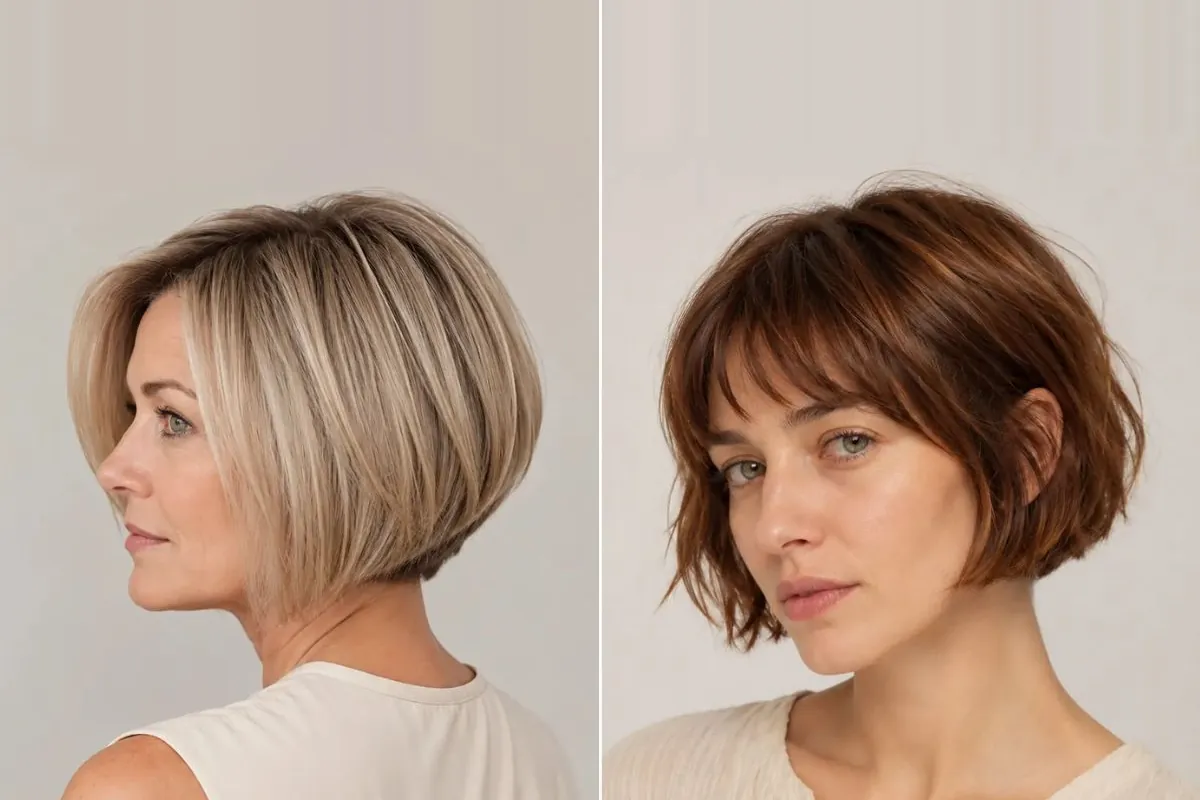
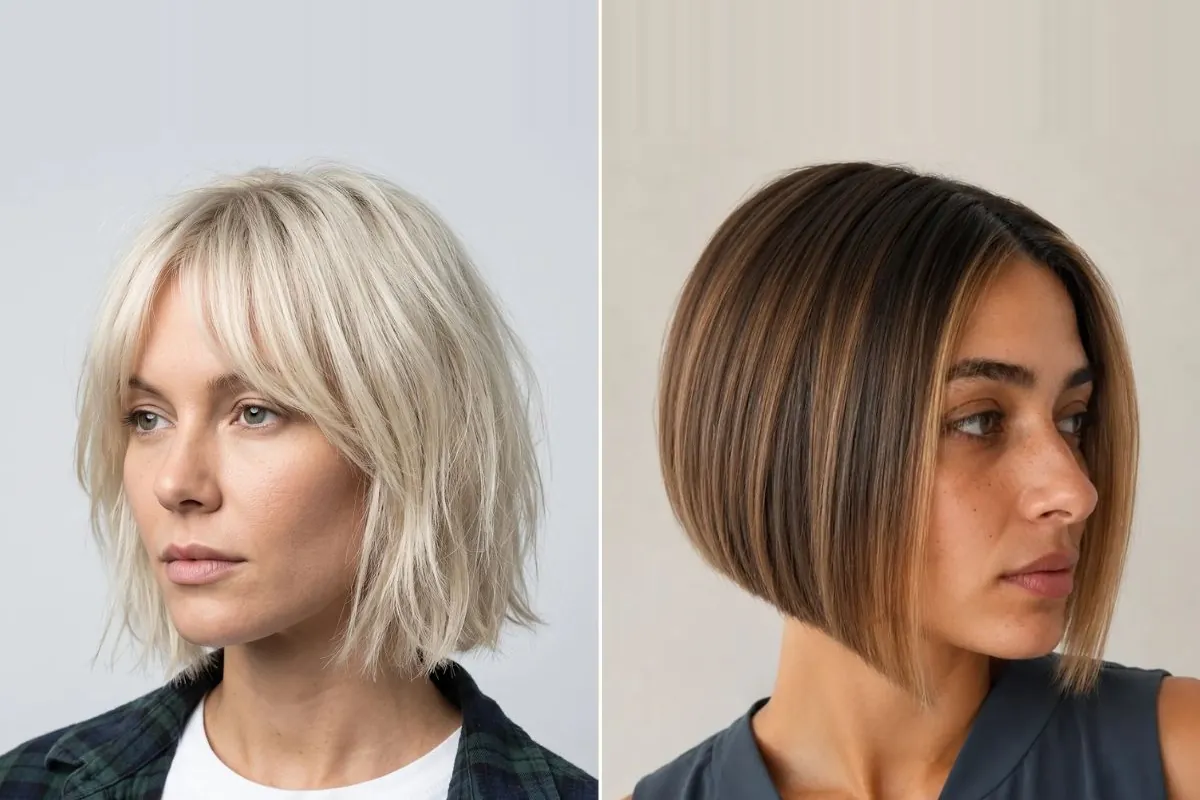
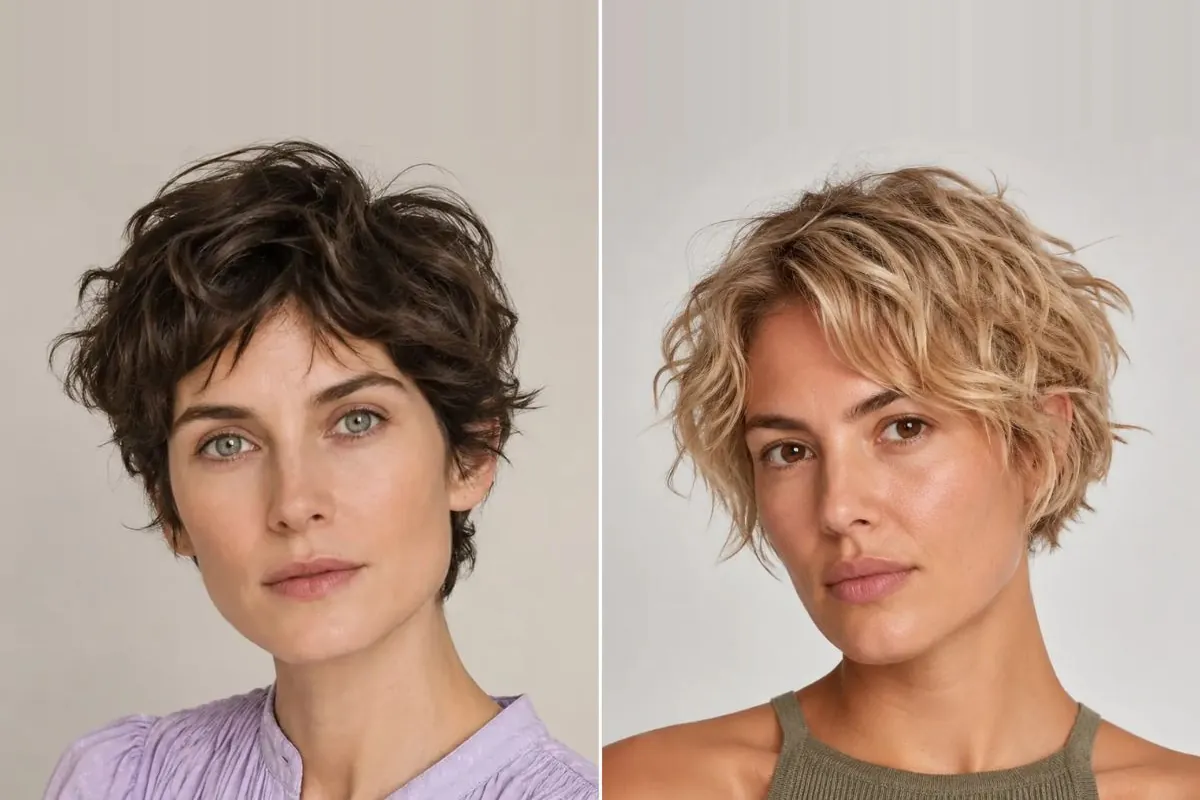
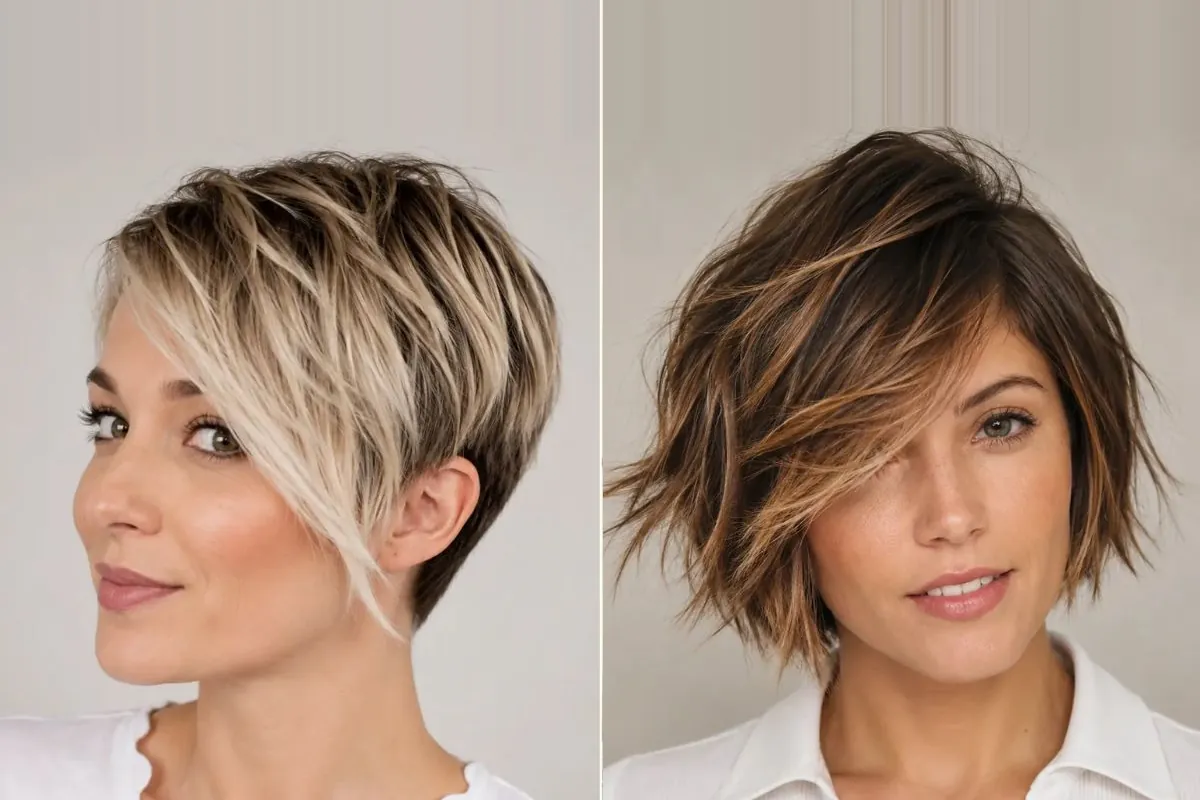
A bob is the single most flattering cut for fine hair, because the right shape builds the density and volume that fine strands lack on their own. The common thread is structure: a blunt or point-cut perimeter increases the visual fullness, and layering that lifts the crown.
This guide has bobs chosen specifically for fine and thinning hair, each with a clear explanation of who it flatters and the exact technique to ask for. You'll find every bob length here, from an ear-grazing micro bob to a collarbone lob, in shapes and colors that contribute to the illusion of thickness.
The blunt bob is the foundation cut for fine hair. Think about it: one clean length with all the weight left in it forms a dense perimeter. Because nothing is thinned or removed, the ends look full, and the sharp line makes even the finest hair seem thick.
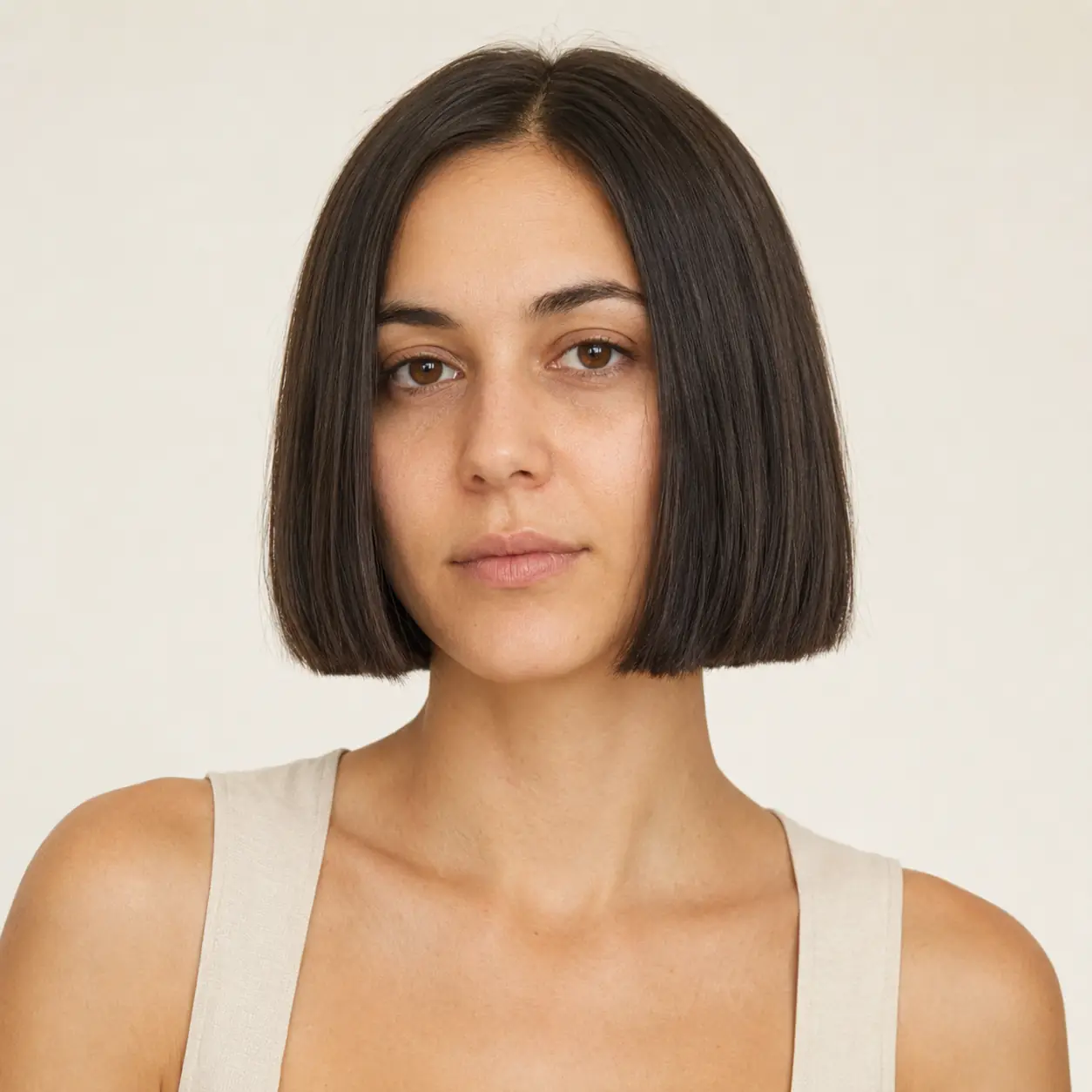
A single blunt length cut straight across the chin keeps every strand at one weight line. It flatters oval and heart-shaped faces and needs a flat-iron pass to look its sharpest. Ask for the weight line to sit right at the jaw.
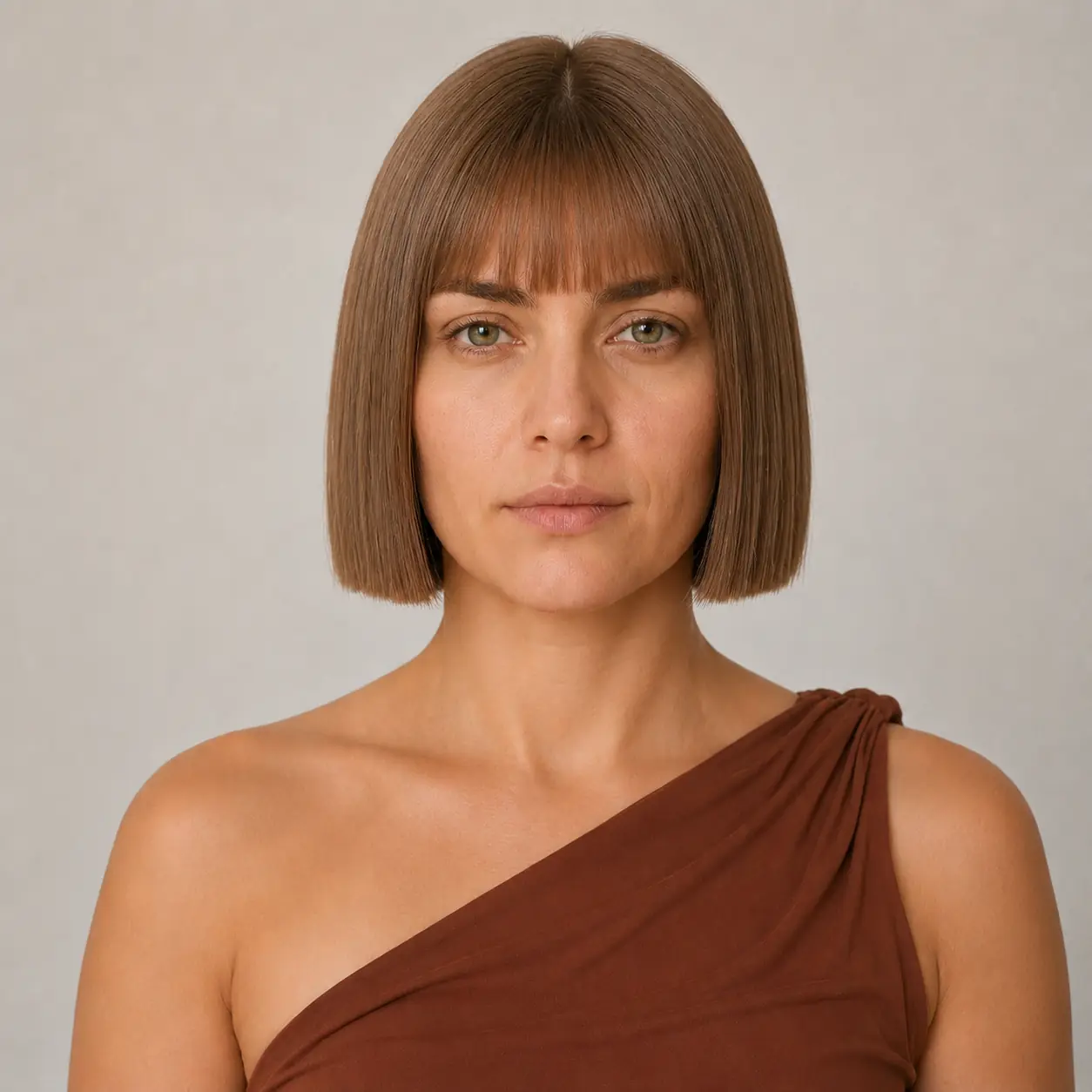
A blunt "box" bob paired with a wispy fringe achieves a powerful impact with two clean lines. The one-length cut keeps every bit of weight in the hair.
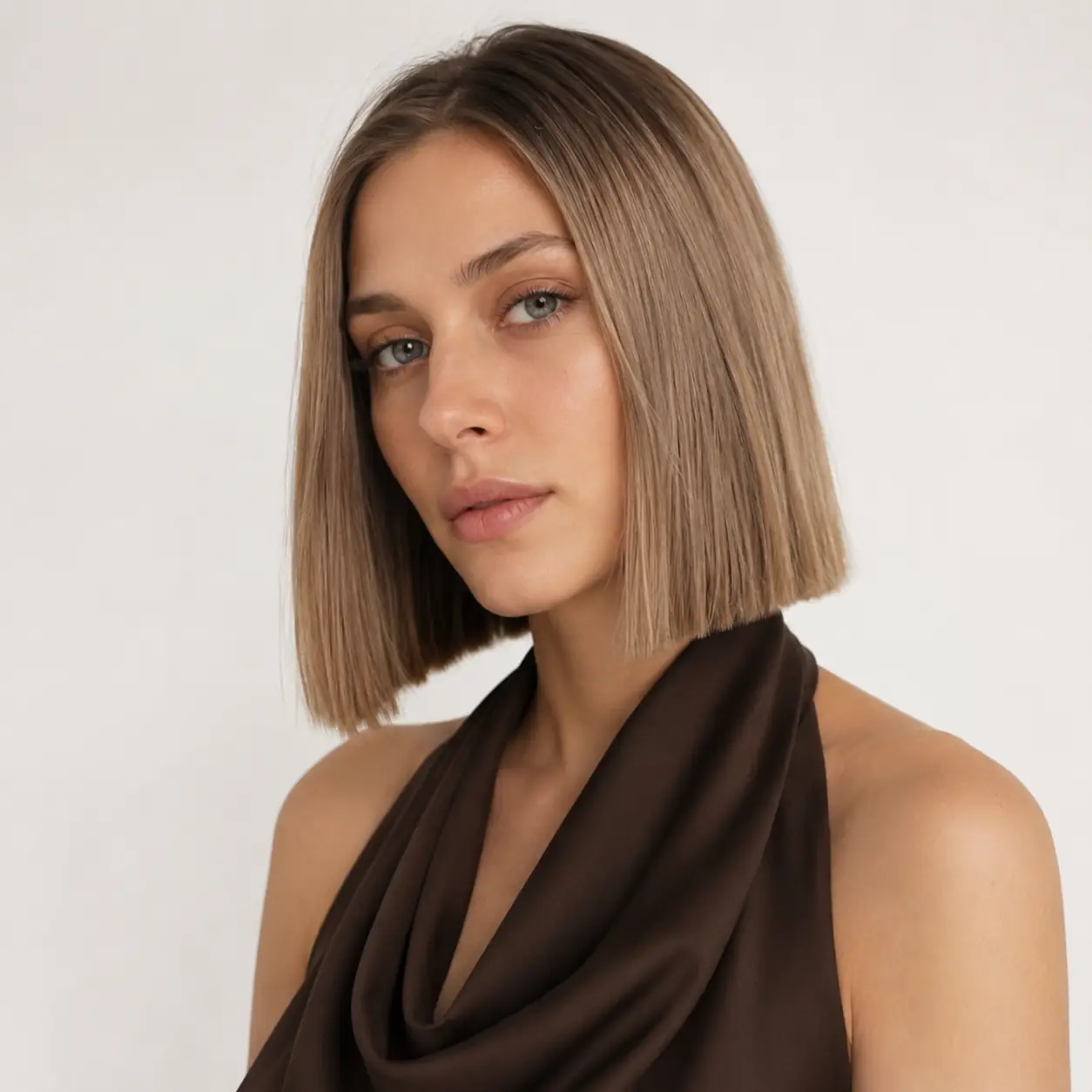
A straight lob falling just below the chin keeps a little more length, and the blunt edge holds the density. It’s a great option if you love a little swing in your hair. A center part and flat-iron styling result in a sleek, graphic outline.
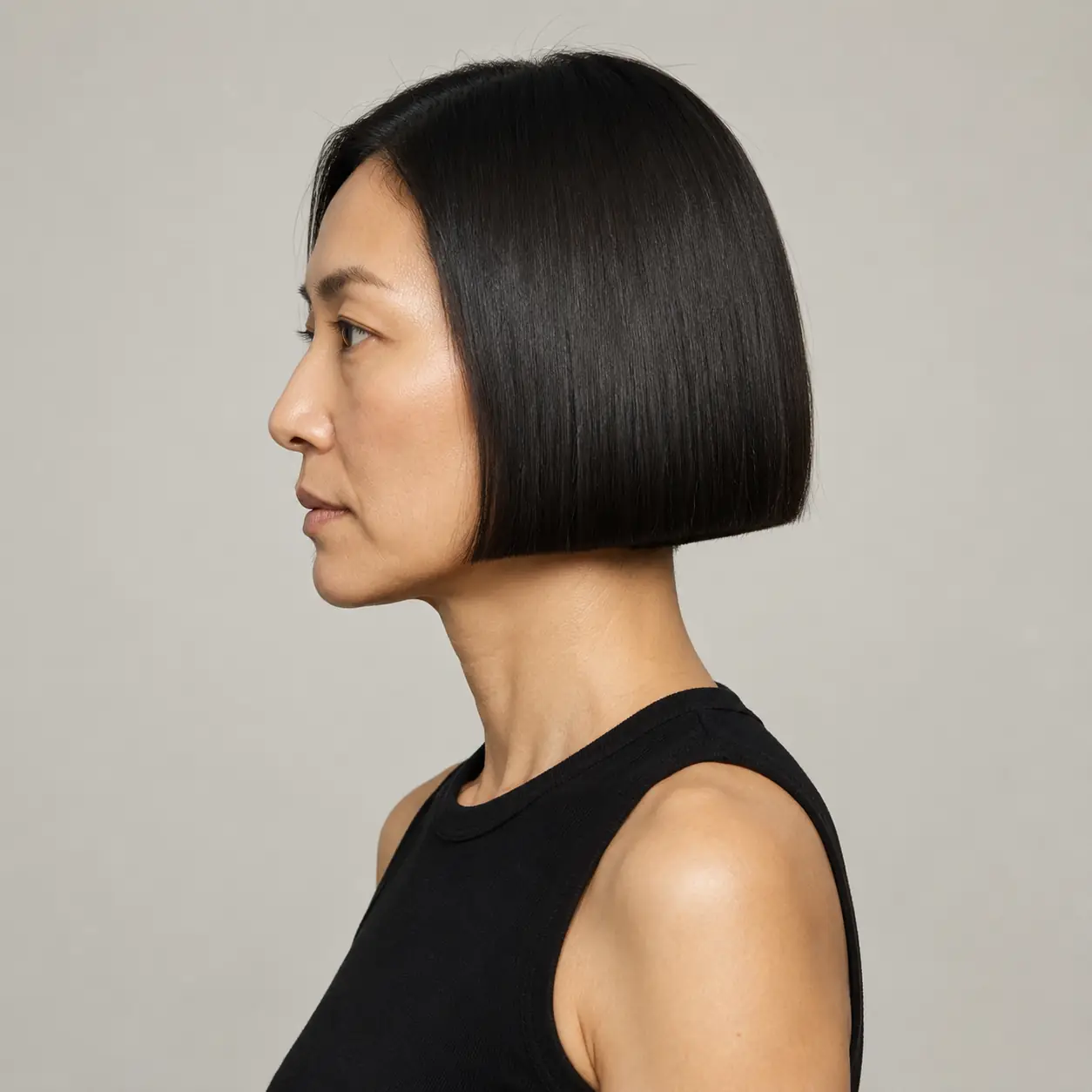
A precise blunt bob cut to skim the jaw looks sharp and architectural on straight dark hair. The clean line requires ultimate precision and skill on the part of your stylist.

A high-shine blunt bob relies on gloss and a smooth perimeter to look healthy. The reflective finish makes fine hair read fuller. A weekly gloss treatment keeps the shine up.
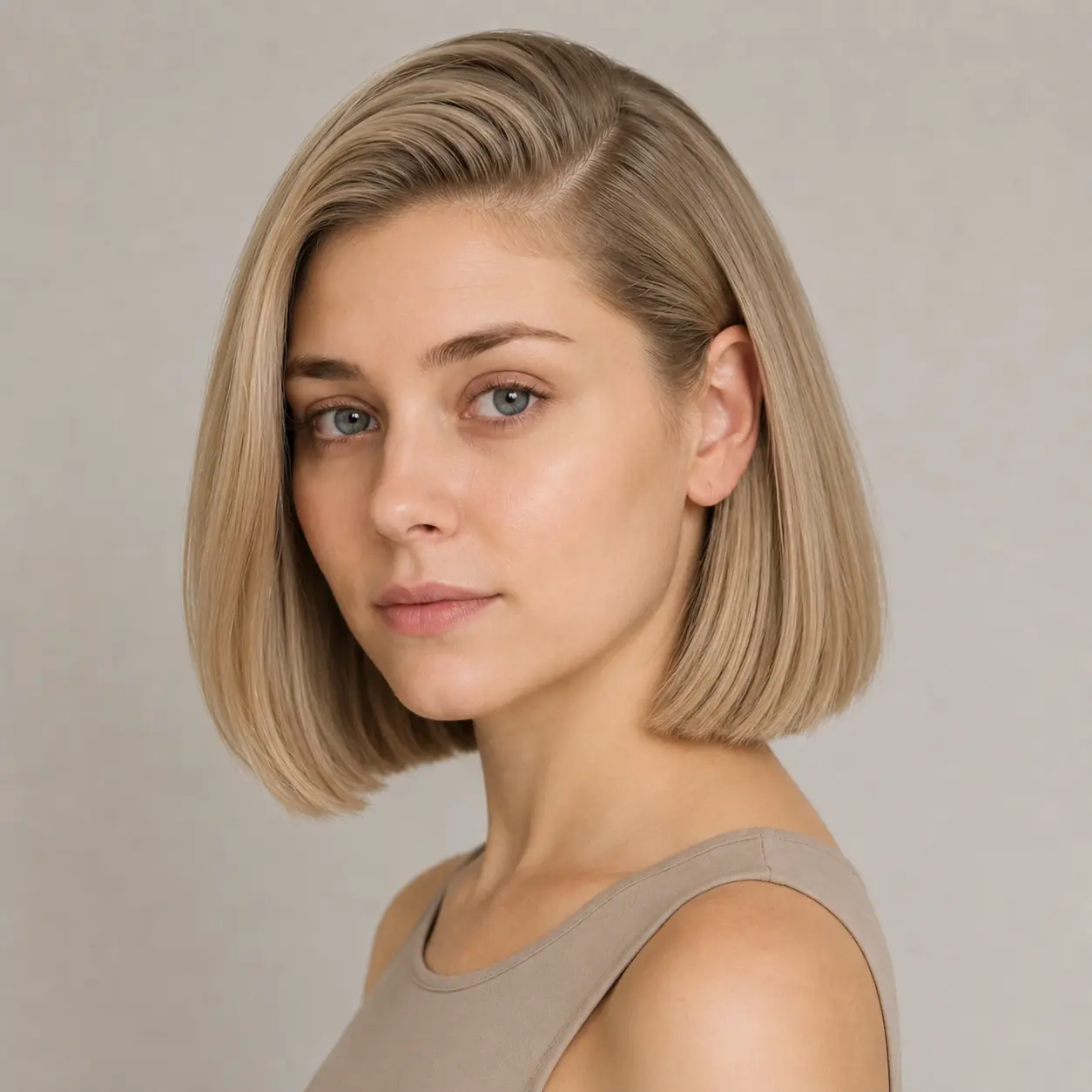
A deep side part lifts the root on the heavier side of a blunt bob, adding volume where fine hair falls flat. The asymmetry also flatters rounder faces. Blow-dry the part with a round brush for lasting lift.
When fine hair needs real lift, graduation is the answer: layers cut shorter underneath and at the back build a rounded, elevated shape at the crown. Graduated, inverted, angled, and stacked bobs all create volume where fine hair is typically flattest, and keep a clean exterior line. These styles reward a quick round-brush blow-dry.
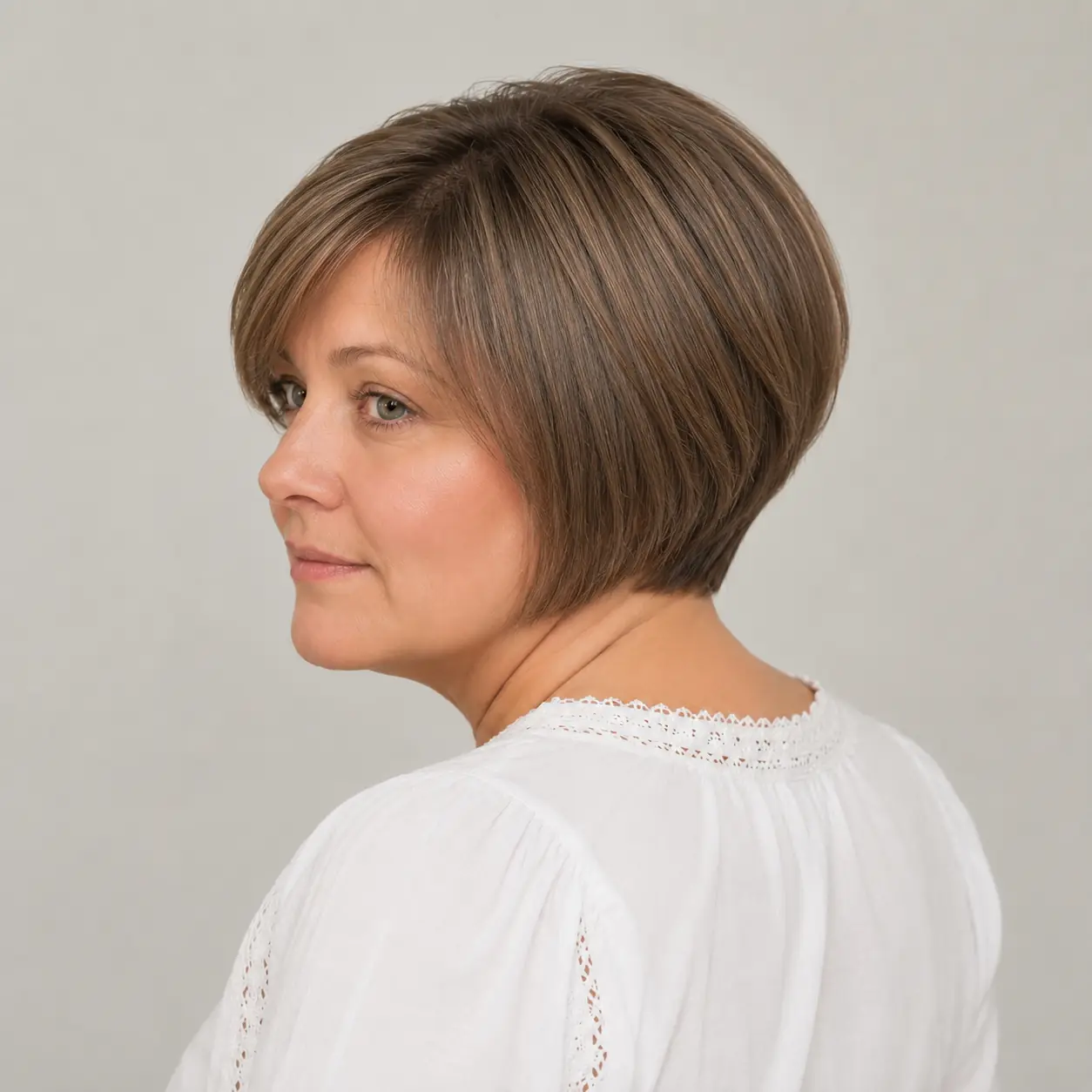
Graduated layers stacked at the back build a lifted shape exactly where fine hair falls flat. The volume is built into the cut, not the styling. Blow-dry with a round brush to set the stacked crown.
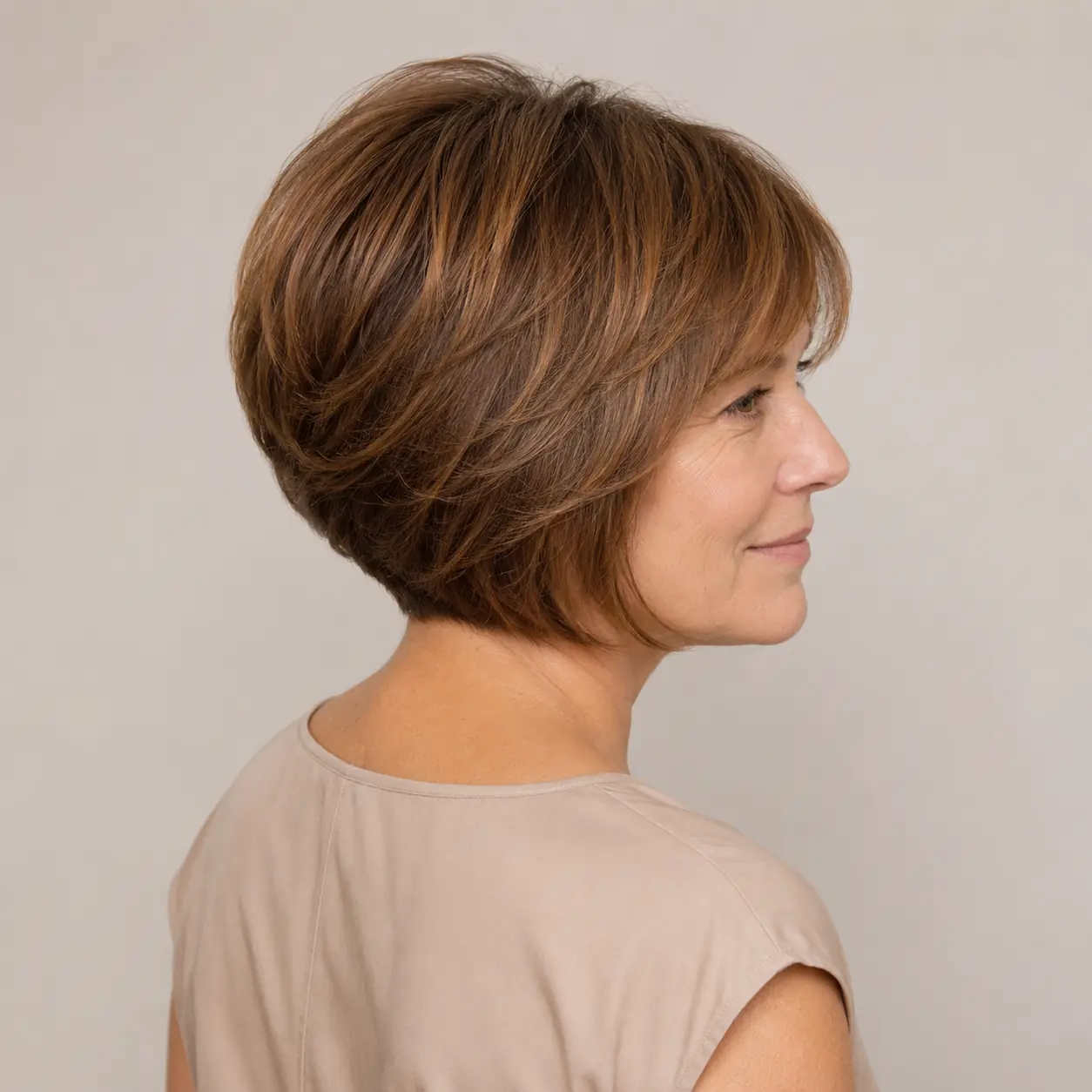
Graduation through the back and crown gives this short bob real height and body. It's a strong pick for fine hair that goes flat on top.
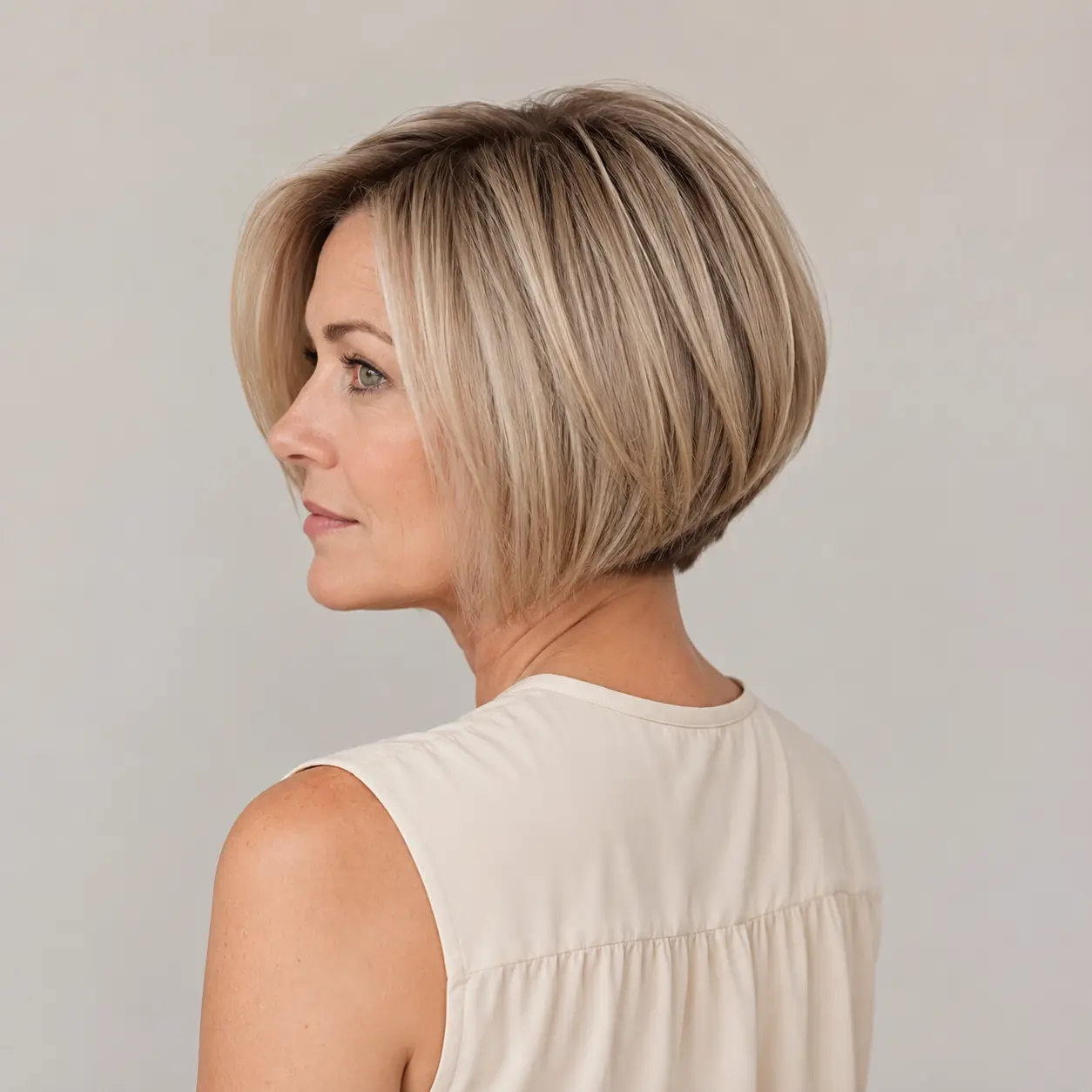
An inverted bob, shorter and stacked at the back, longer at the front, packs volume into the crown while framing the face. The dark roots add depth so the crown looks denser.
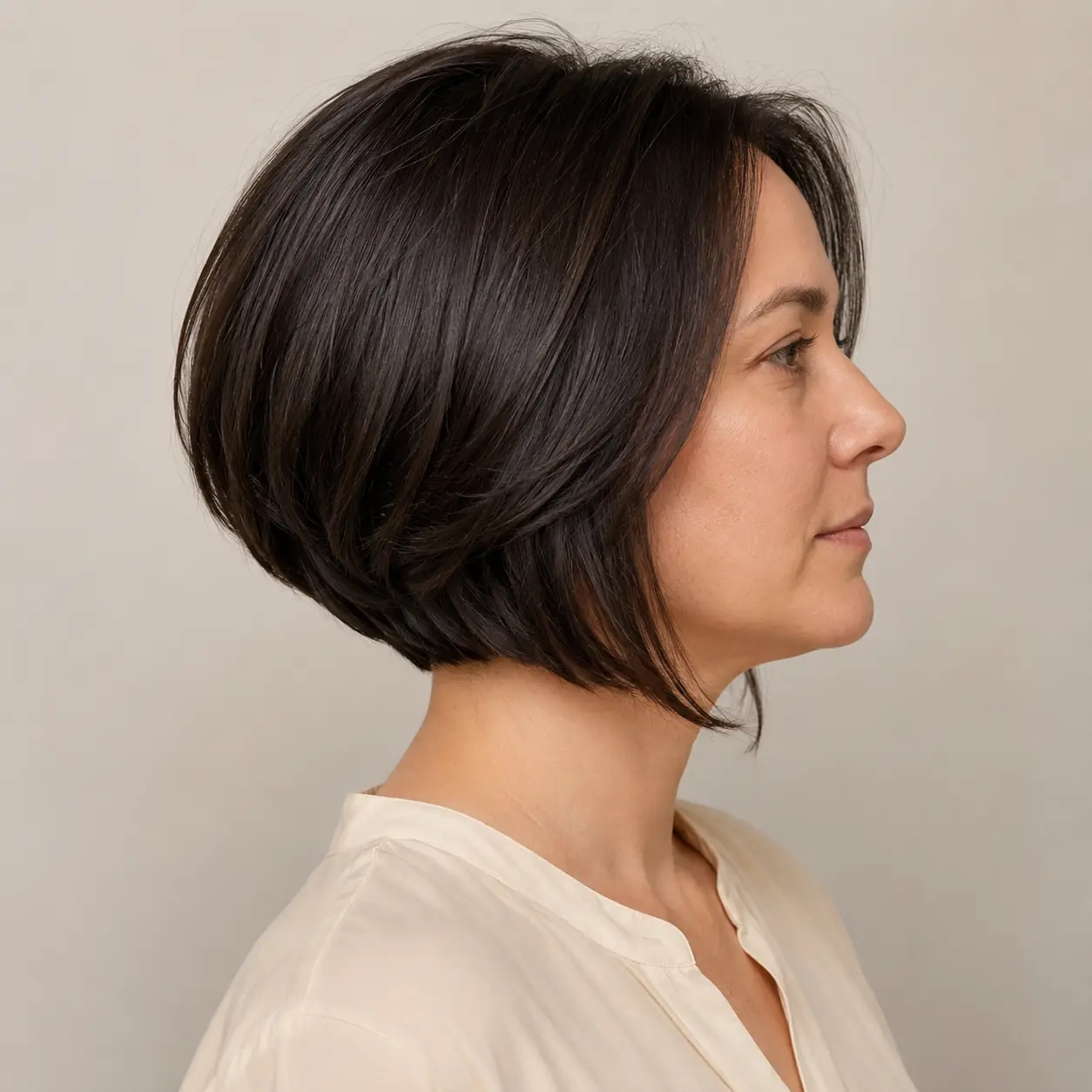
A concave graduated bob curves in sharply from a longer front to a lifted back, a dramatic shape that maximizes crown volume. It suits fine straight hair that holds a precise line. Try a root lift spray if you feel you need to build even more height with styling.
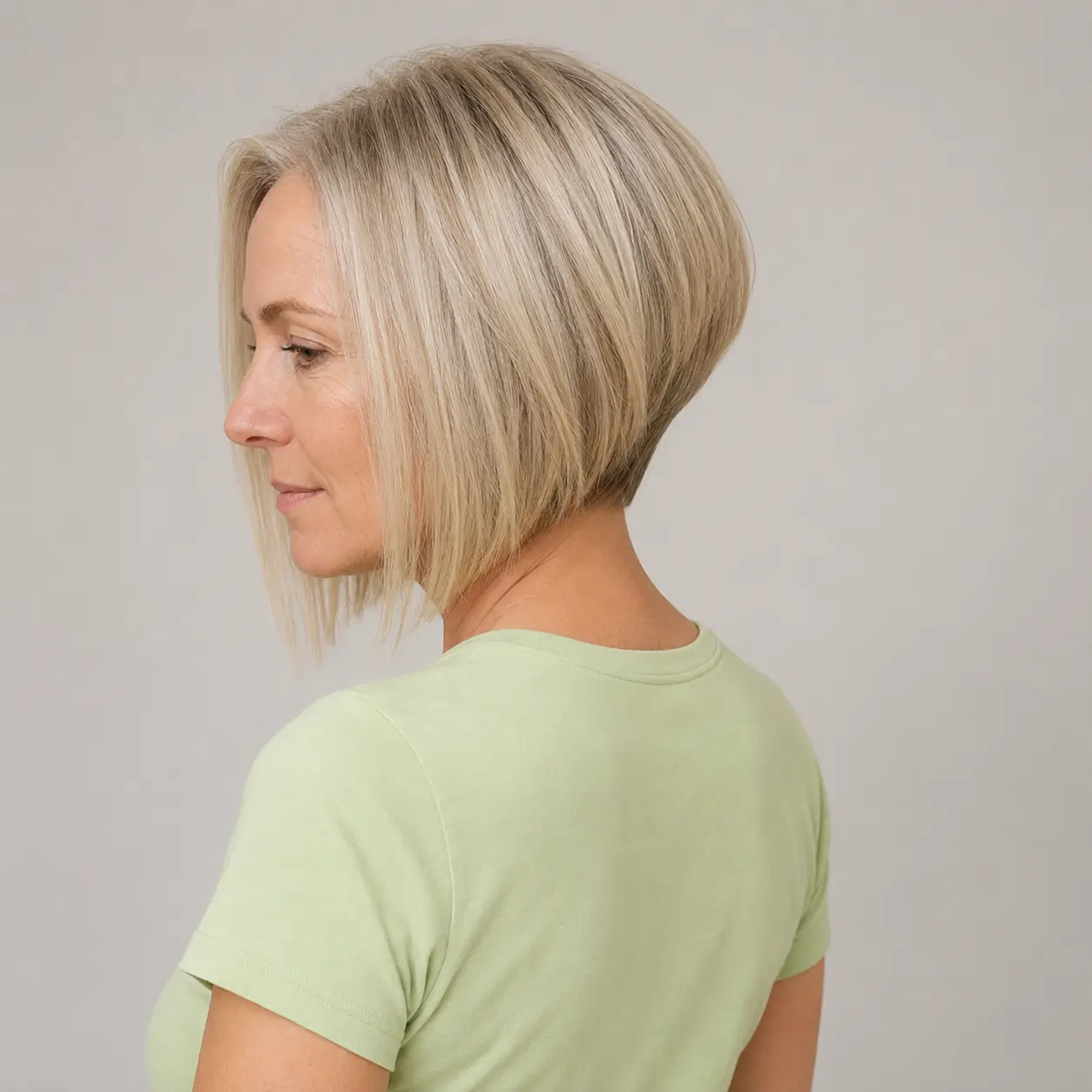
A stacked A-line combines the lifted back of a stack with the forward-falling line of an A-line. The blonde over dark roots adds dimension that fakes fullness. Blow-dry the back up and out to build the stack.
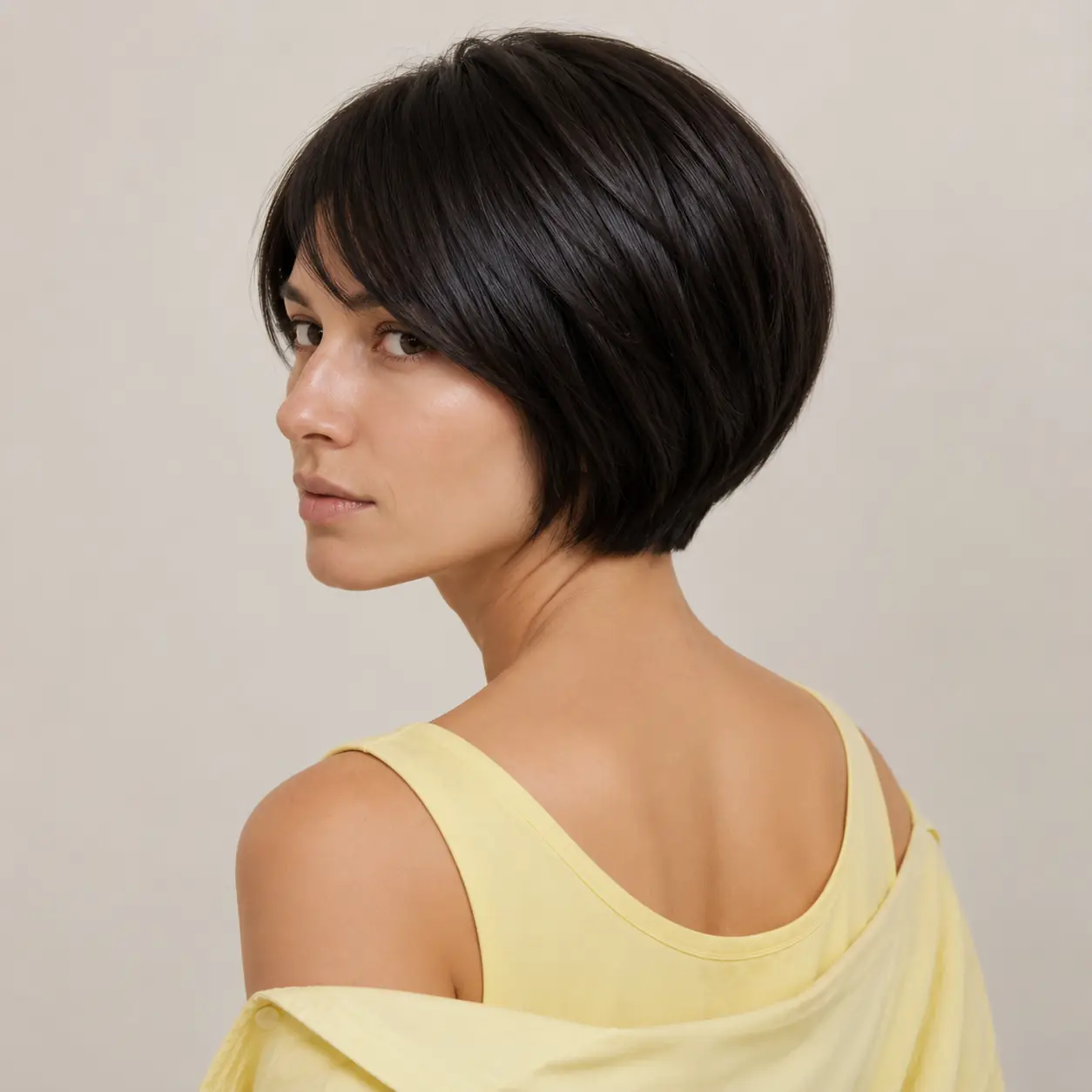
A compact stacked bob with light internal layers builds body without removing weight from fine hair. The dark, glossy tone keeps it looking dense. Ask for minimal internal layers placed only to lift, not to thin.
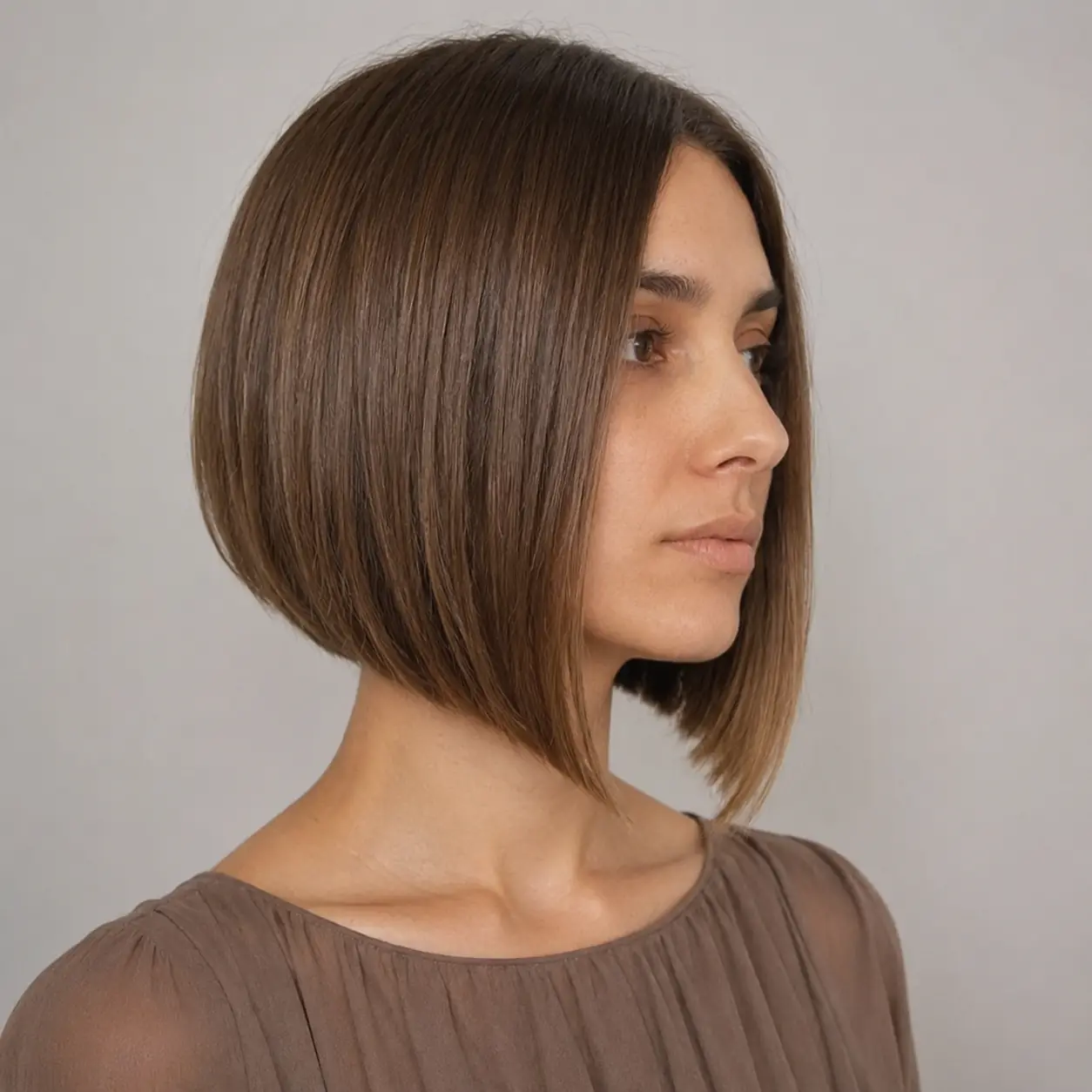
A sleek A-line angled longer toward the front looks polished and modern on fine hair. The graduated back adds subtle lift. A flat iron and shine drops finish the clean line.
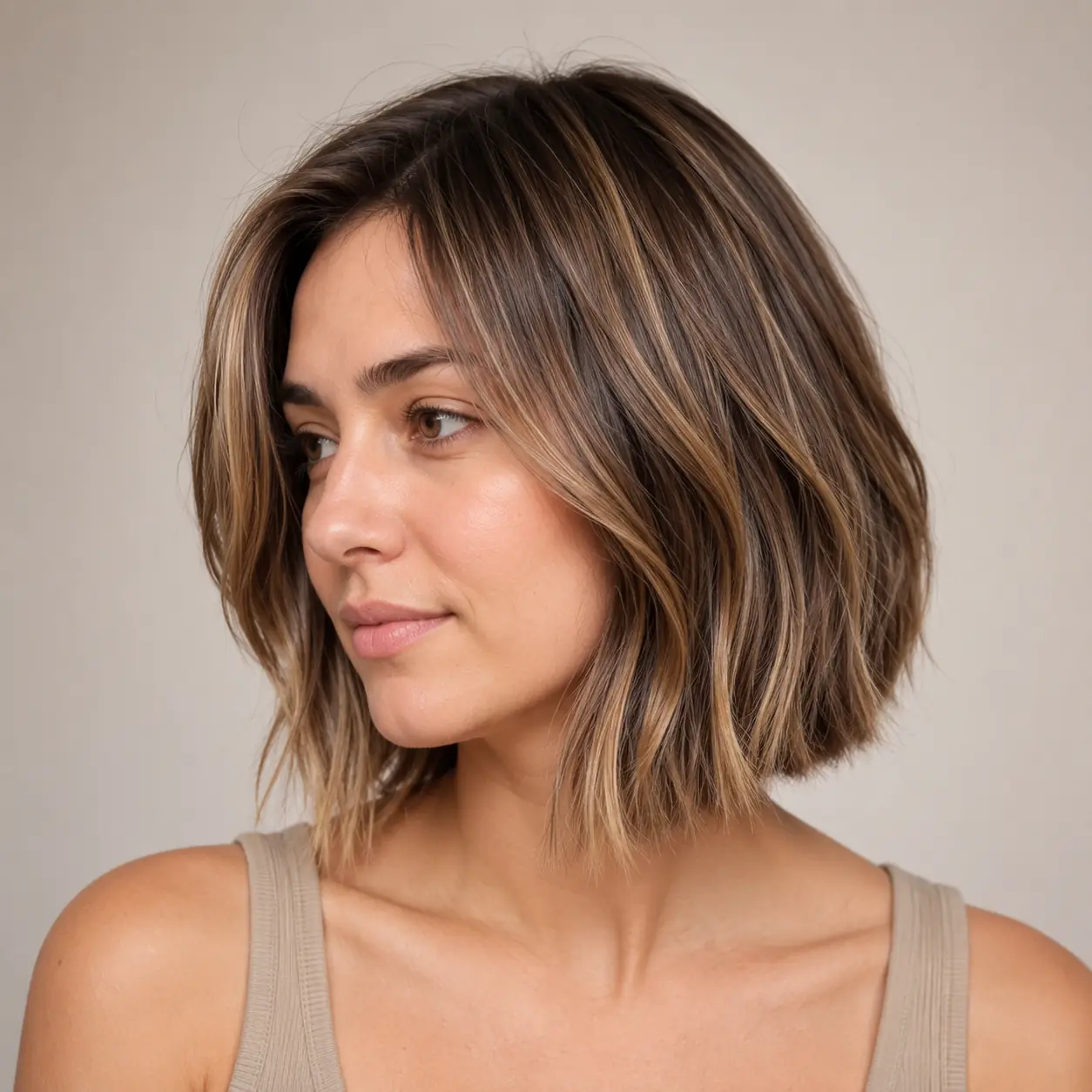
An angled bob with a gentle forward slope adds movement and keeps the ends dense. The subtle caramel dimension catches the angle. It suits fine hair that wants shape without a dramatic cut.
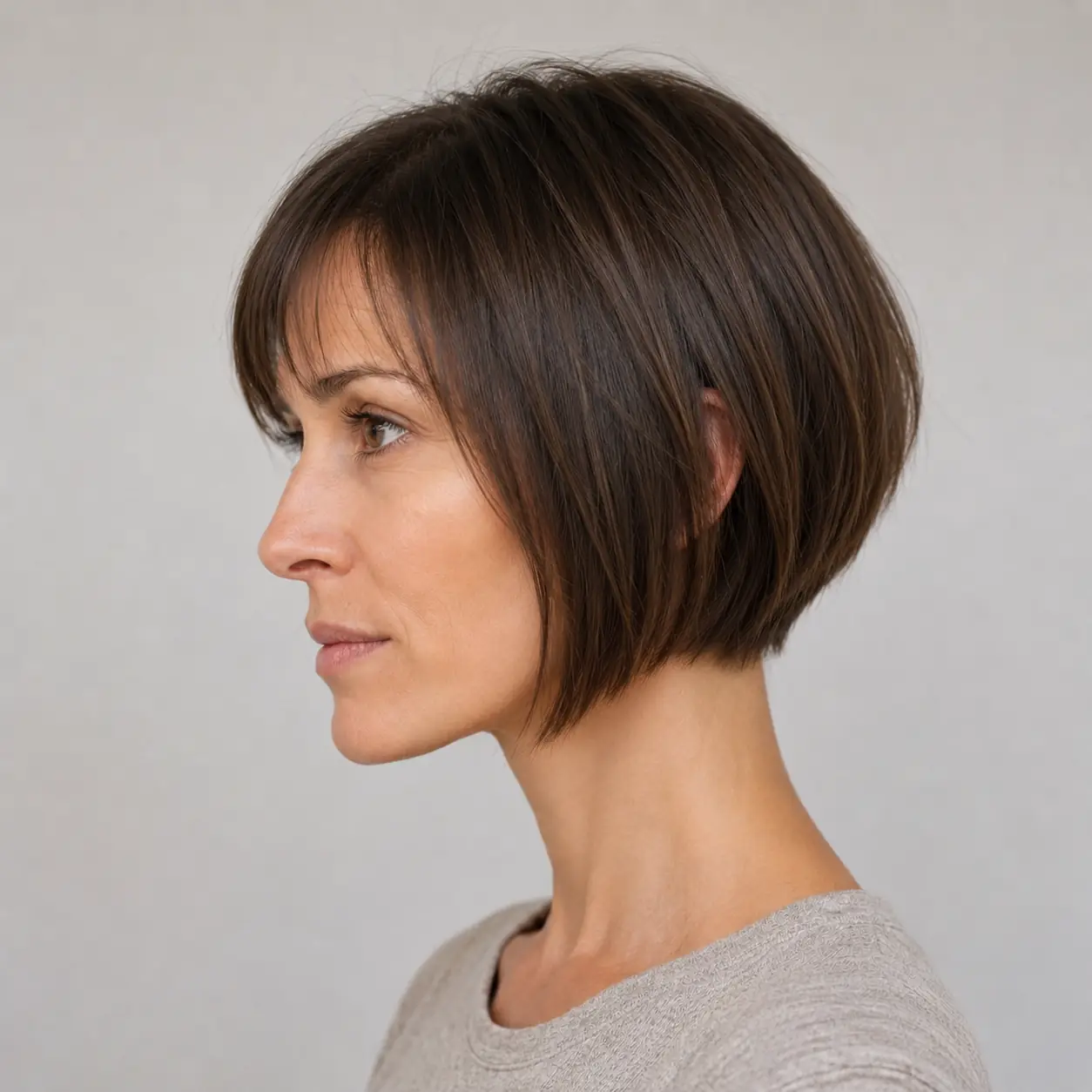
An angled bob rising from the chin and up creates a strong diagonal that flatters round faces. The angle draws the eye down and narrows the lower face. Ask for the front to hit right at the cheekbone.
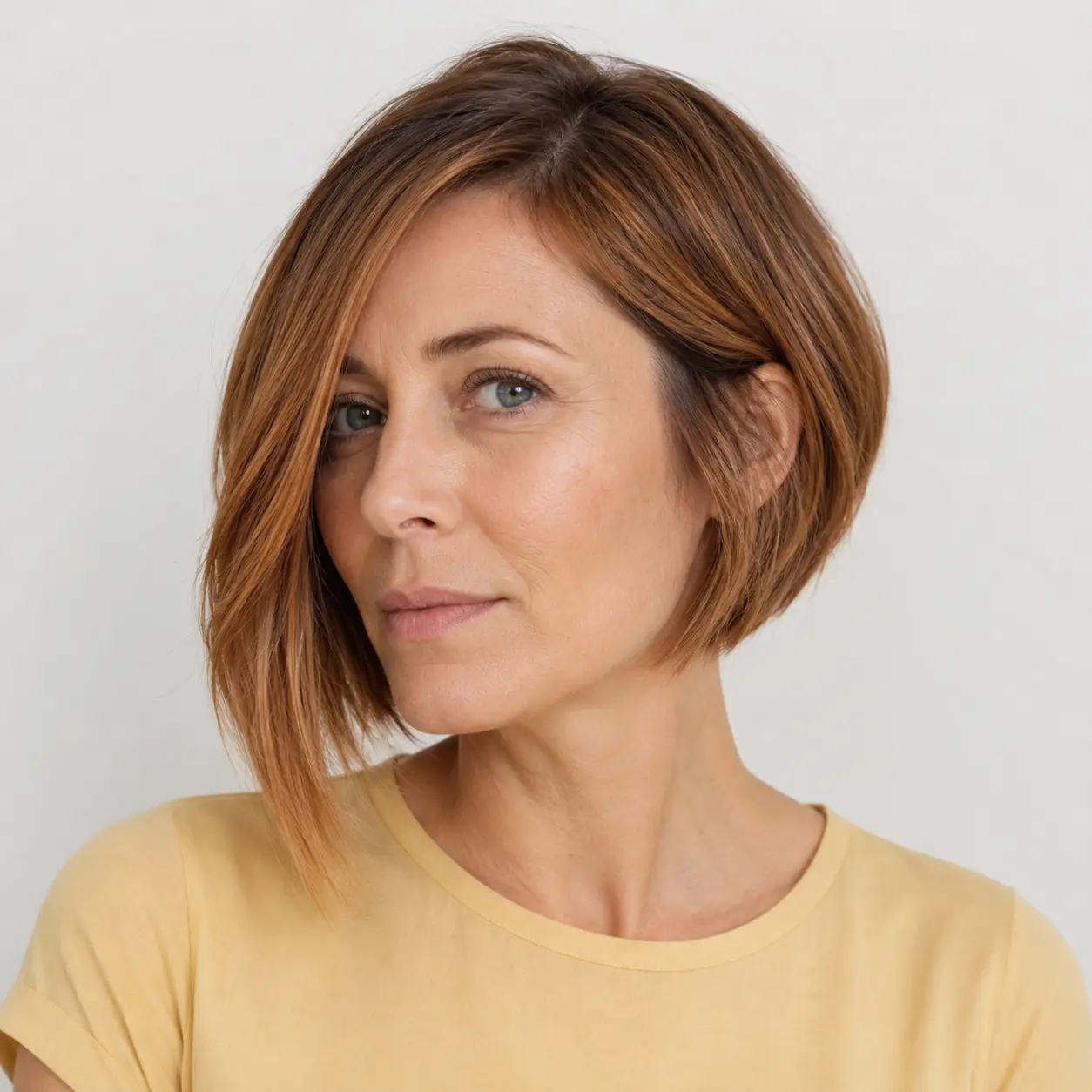
An asymmetrical bob cut longer on one side adds edge and the illusion of thickness through the uneven line. The copper tone adds warmth and dimension. Style the longer side forward for the most impact.
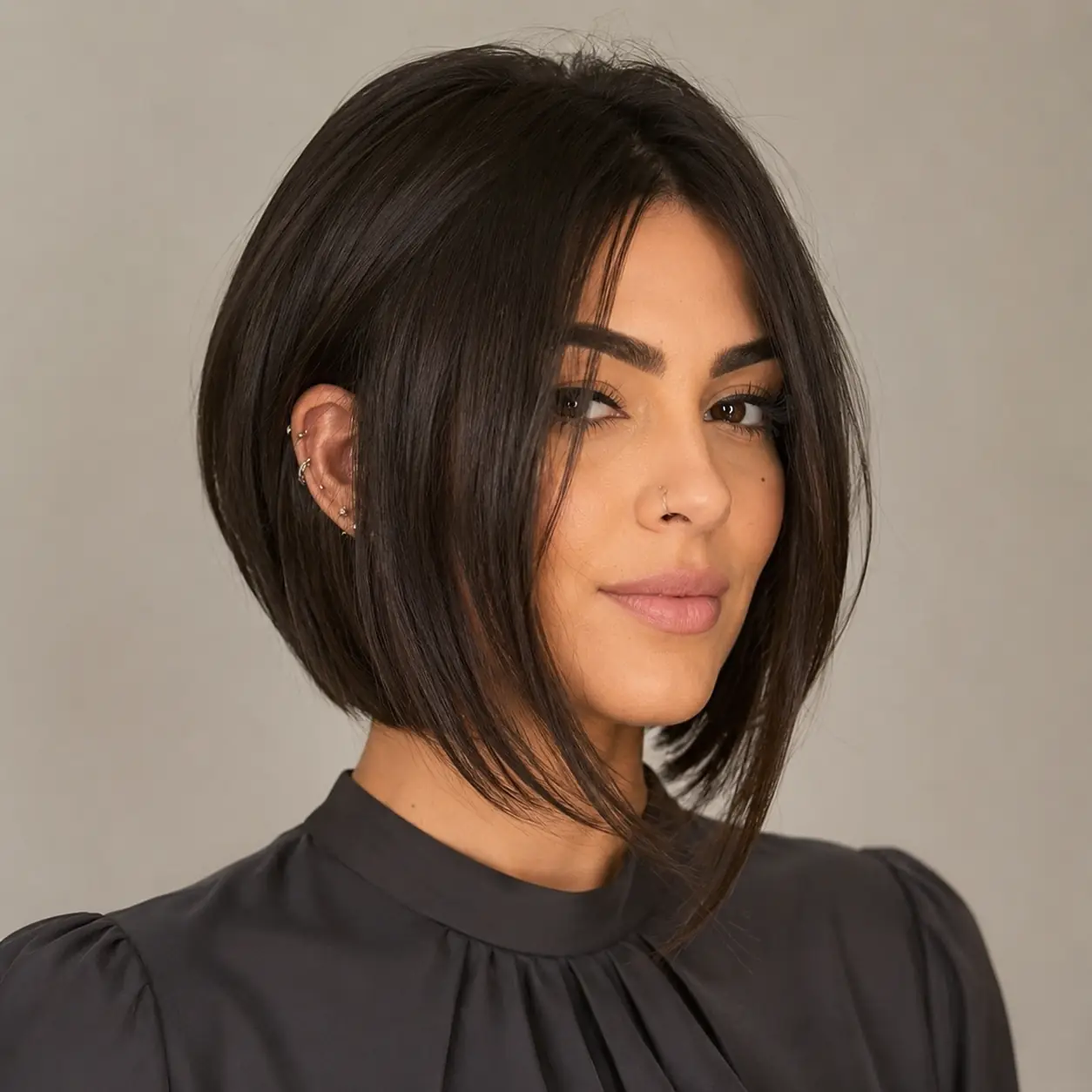
The softly stacked back adds fullness through the crown, while the longer front pieces create a face-framing shape that works on a wide range of face shapes. This cut is especially well suited to fine or medium hair, giving it more body without sacrificing movement.
At the shortest end, French bobs, micro bobs, and pixie-bobs concentrate all the density into a compact but high-impact shape. Cutting fine hair shorter removes the length that drags it flat, so these tiny bobs often look the fullest of all. They suit fine hair and petite features, and they're the lowest-maintenance to style. Expect more frequent trims, since the short precise shape loses its line fastest.

A short French bob with a micro-fringe is chic and very Parisian-coded. It can be styled smooth or ruffled, depending on the aesthetics you’re going for.
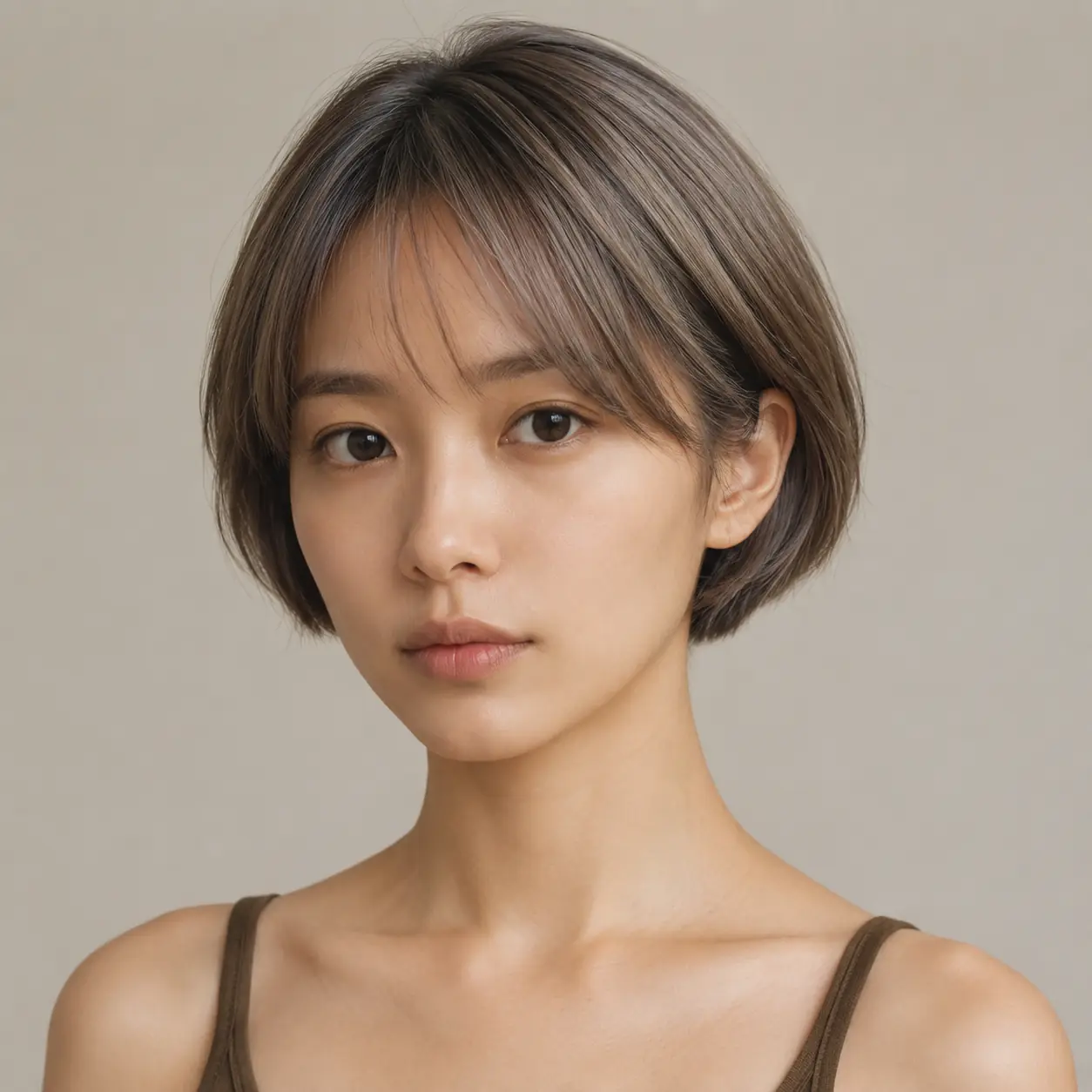
An ear-length micro bob is about as short as a bob gets, concentrating every bit of density into a fun-size shape. It’s a fabulous choice for petite features, strong bone structures, and anyone who loves statement styles.
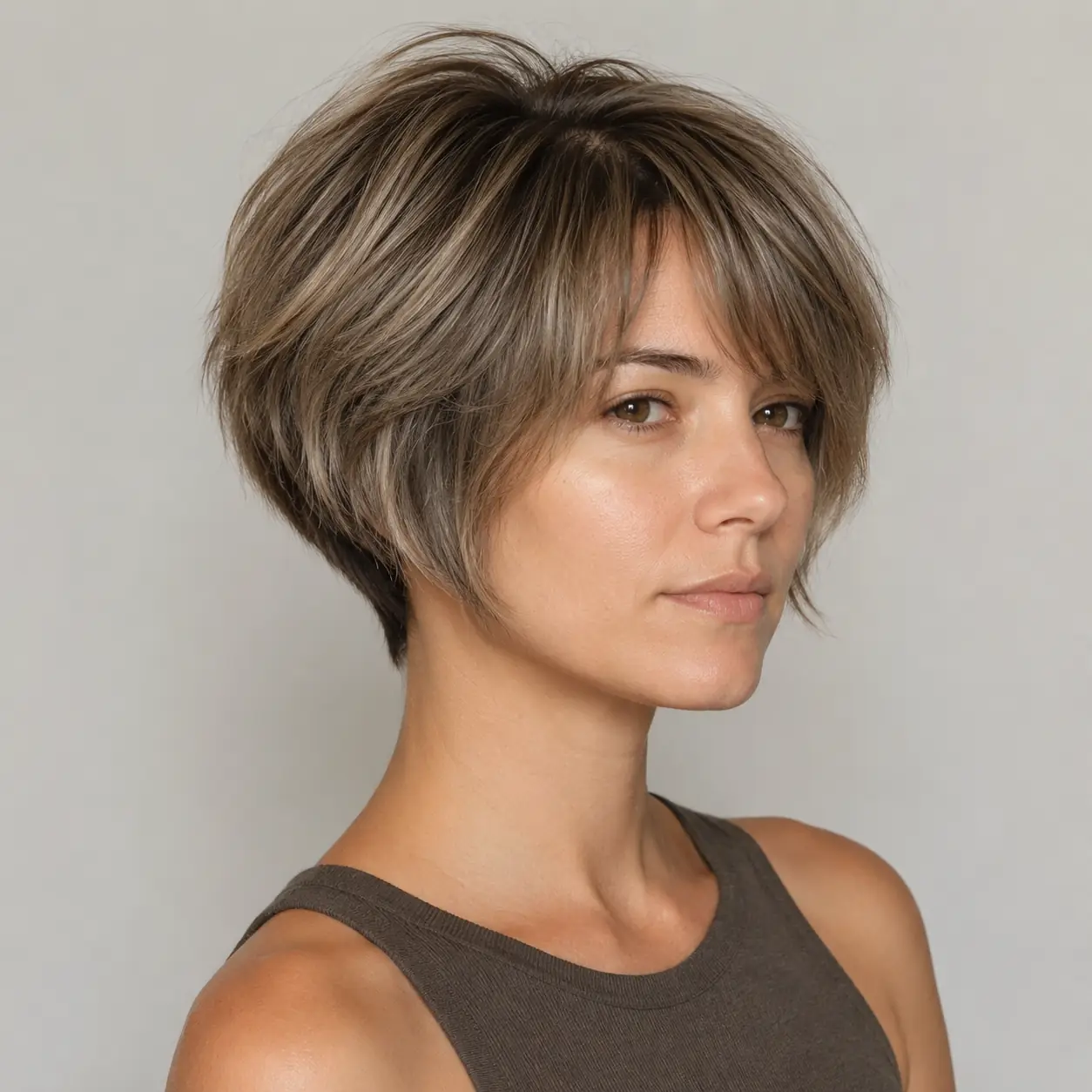
A pixie-bob blends the crown lift of a pixie with the fuller perimeter of a bob, ideal for fine hair that wants volume up top. The graduated back builds height. Work a matte clay through the top for piecey lift.
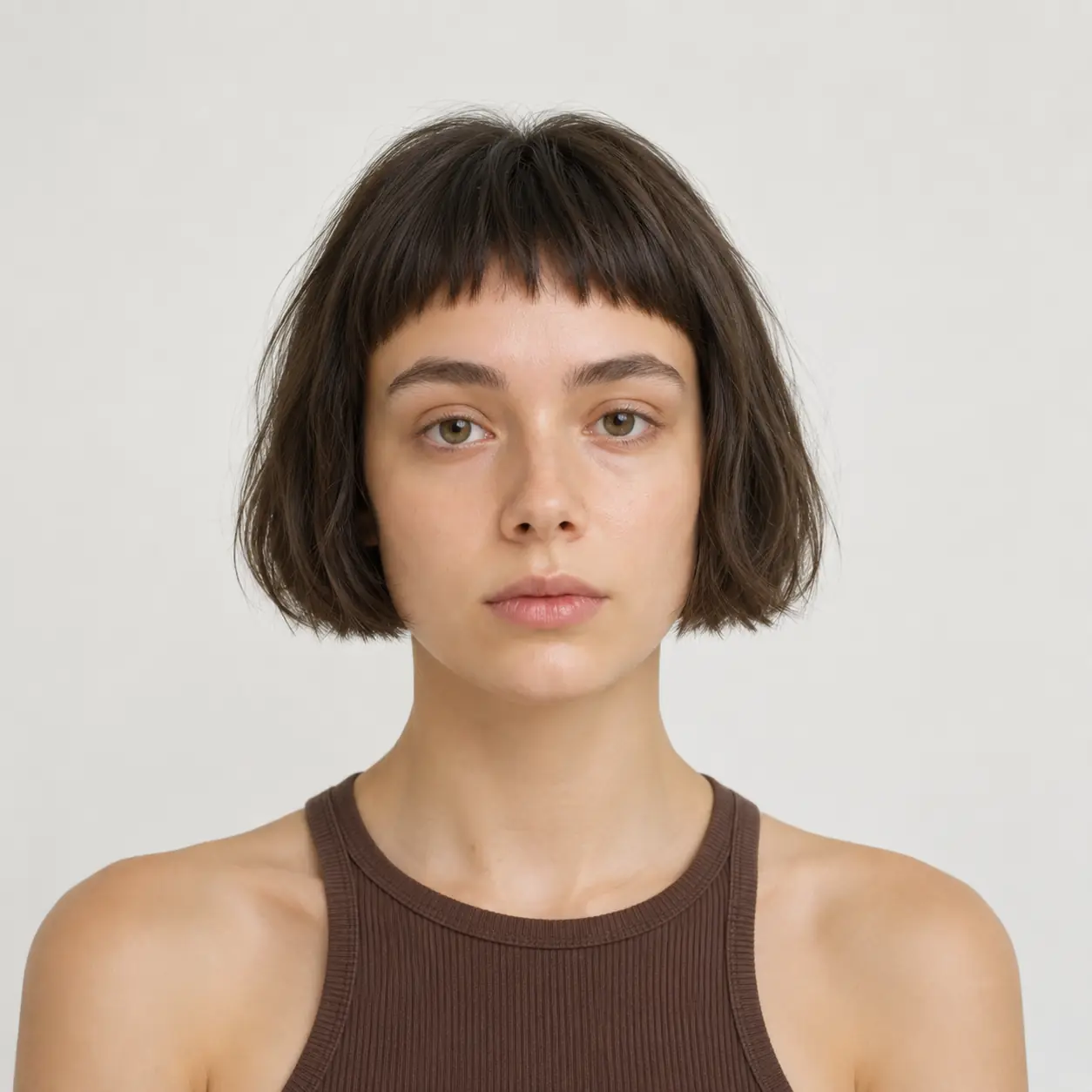
A nape-length crop bob with wispy micro-bangs is short, neat, and full through the interior. The close shape keeps fine hair from looking sparse. A dab of pomade defines the ends.

The curved ends and light bangs make this French bob feel graceful. The cut boosts volume at the sides and keeps the hair easy to manage day to day. It’s a great choice if you like a spin on a classic style.
Adding wave or texture to a fine-hair bob is one of the smartest moves you can make, because the bend of the hair creates body that a straight cut has to earn with a blow-dryer. Soft waves, tousled texture, and beachy movement all make fine hair look fuller and hide any flatness.
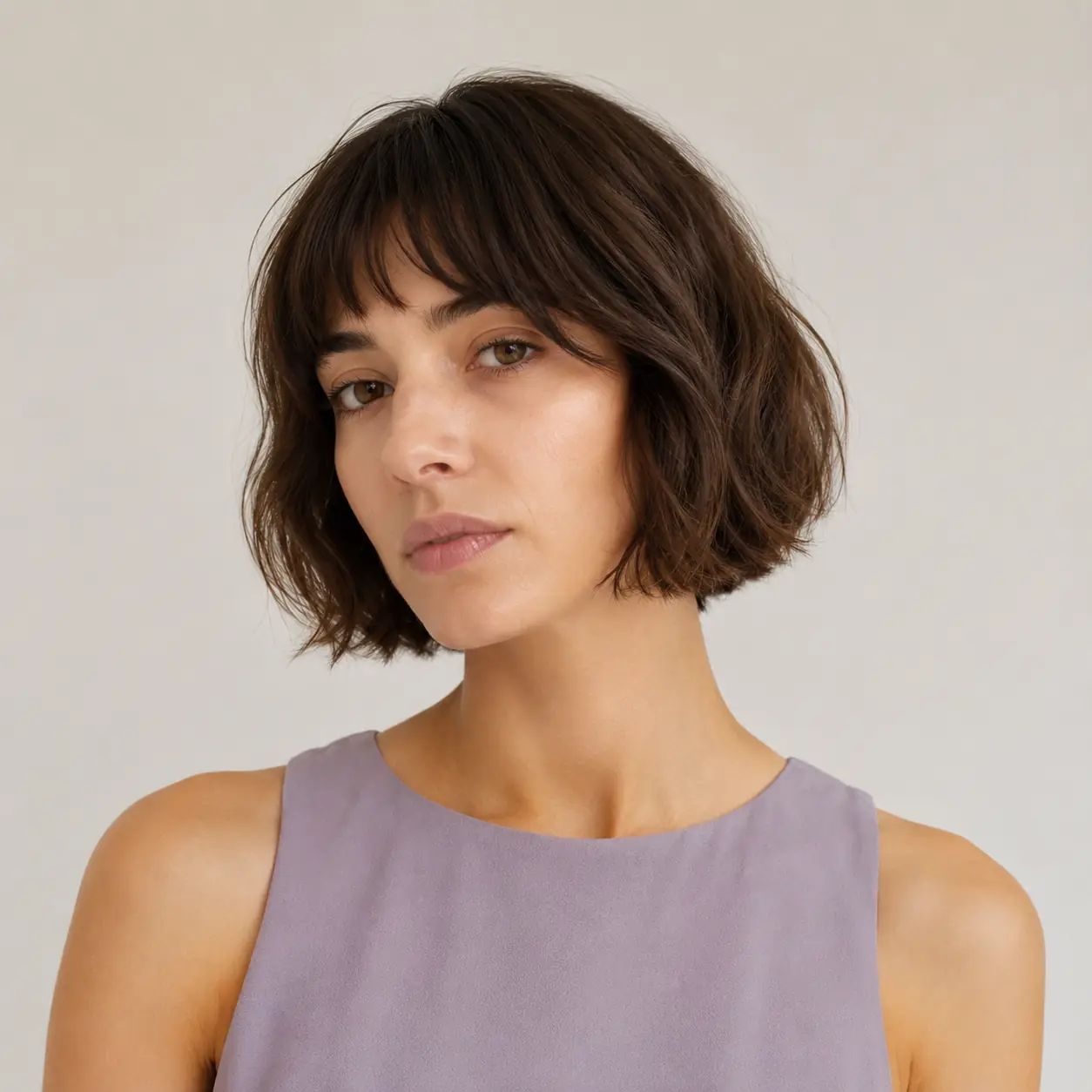
Loose waves through a chin-length bob add the body fine hair lacks. The bend lifts the roots and fills out the shape. Scrunch a light mousse into damp hair and air-dry.
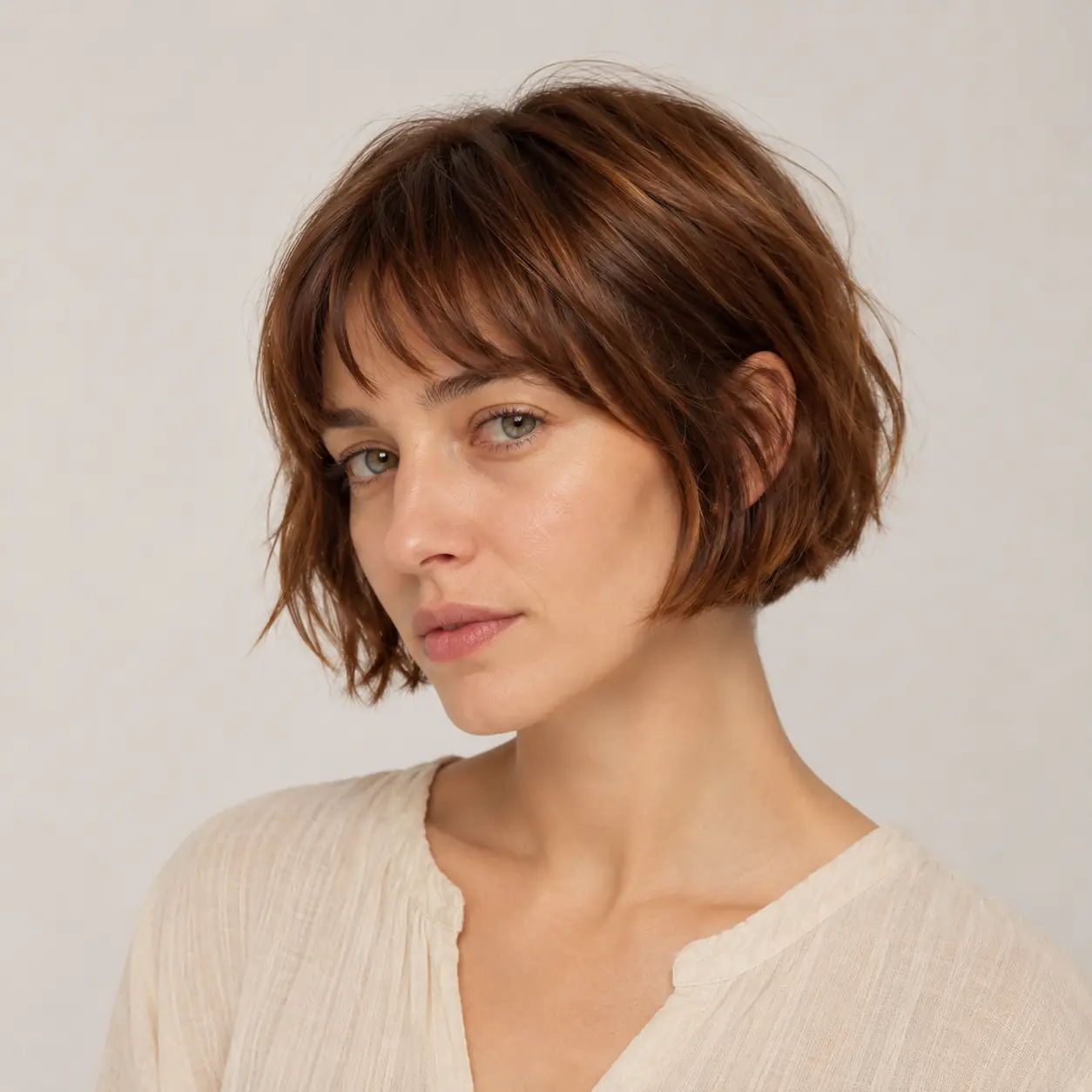
A tousled bob finished with sea-salt spray builds gritty, piecey texture that fakes fullness. Fine hair holds the salt-spray grit especially well. Scrunch and air-dry for the undone finish.
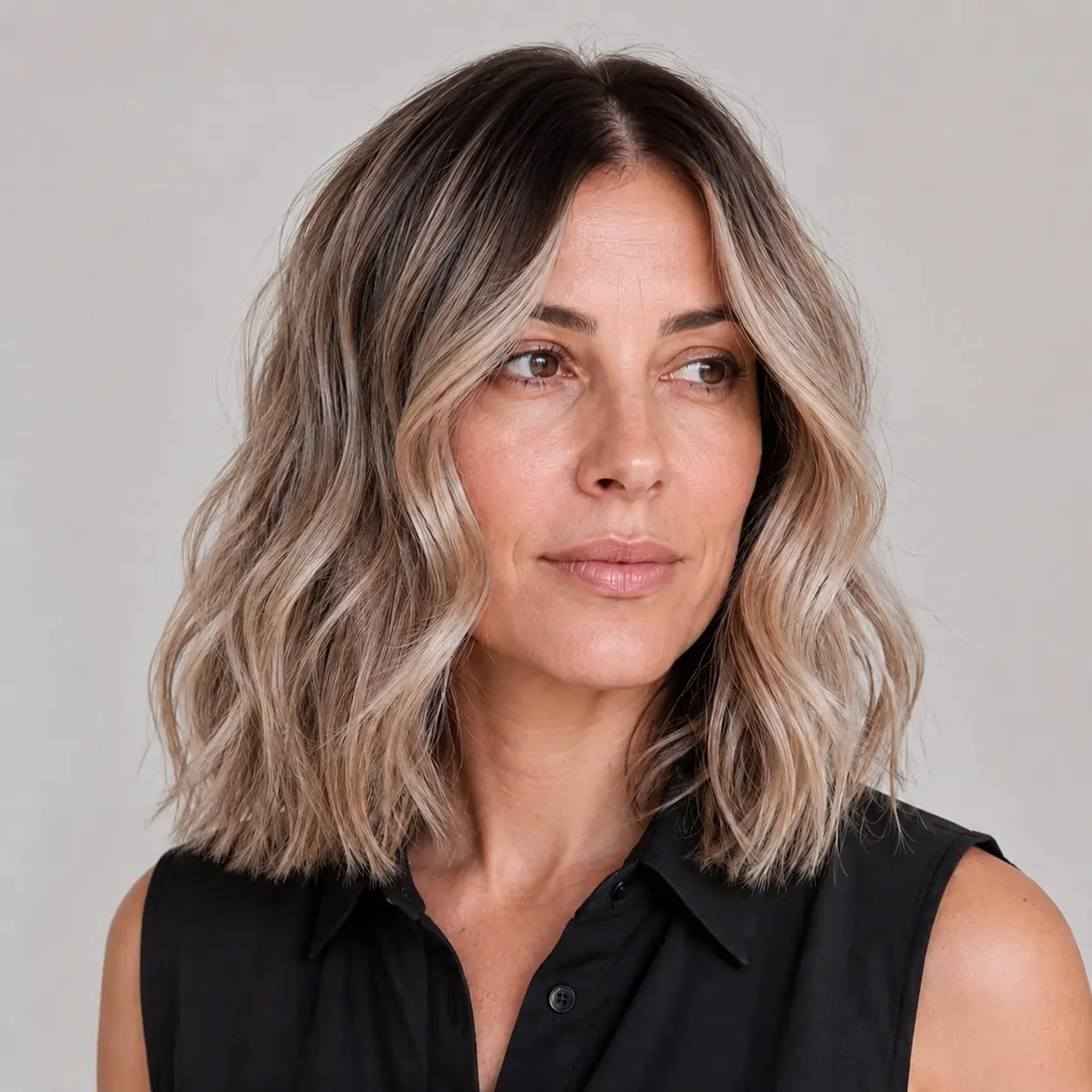
A lob with enhanced beachy texture keeps a little length, and the loose waves add volume. A sun-kissed balayage will complete the vibe of the sea-breeze-ruffled hair.

Expertly crafted internal layers give this bob gentle bounce without thinning the ends. The light layering builds movement, and the perimeter remains dense. Ask for point-cut internal layers only, kept minimal.
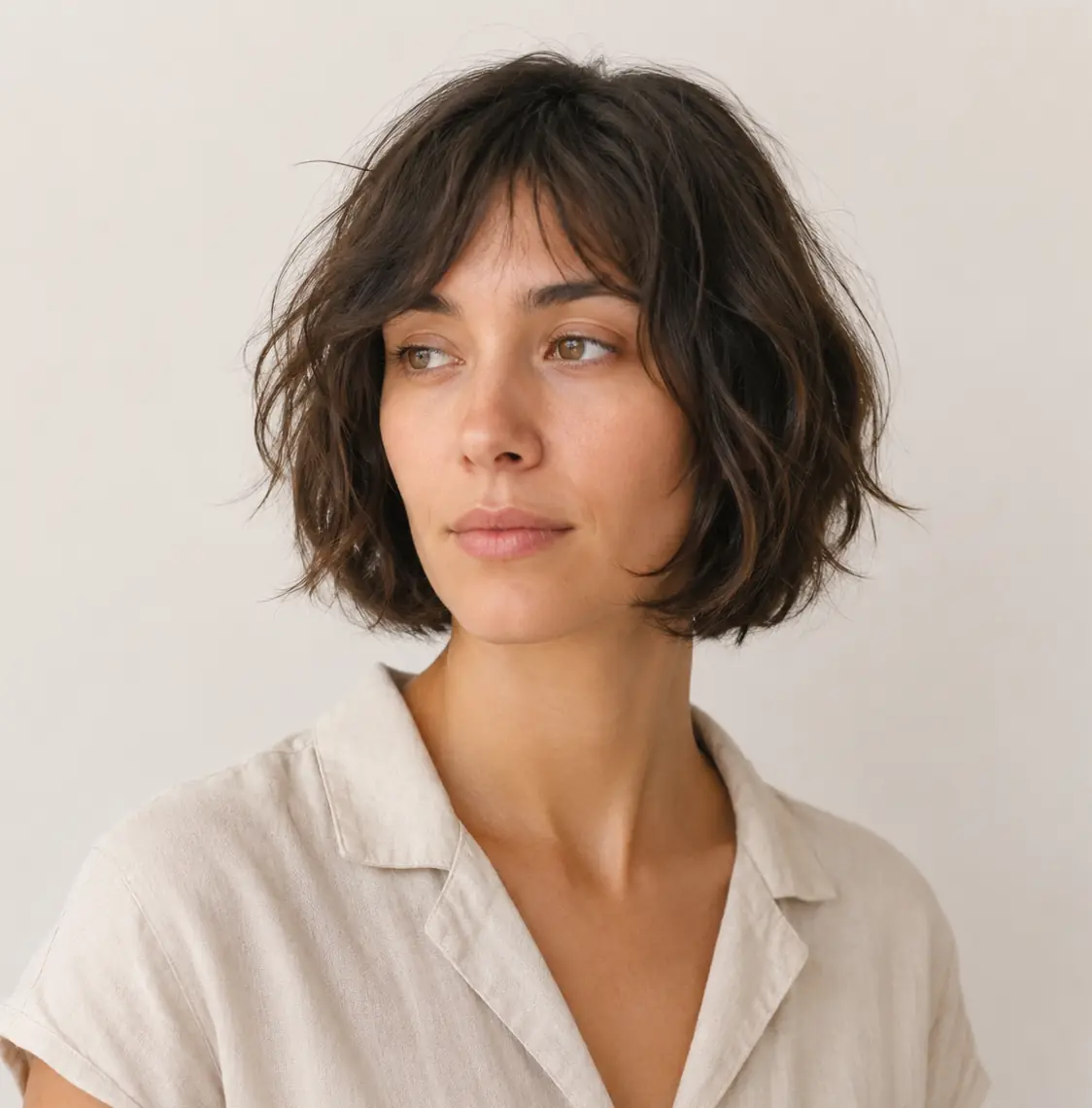
An air-dried wavy bob with a wispy fringe embraces natural bend for effortless body. It's a genuinely low-effort look for fine wavy hair. A leave-in on damp hair defines the texture and cuts frizz.
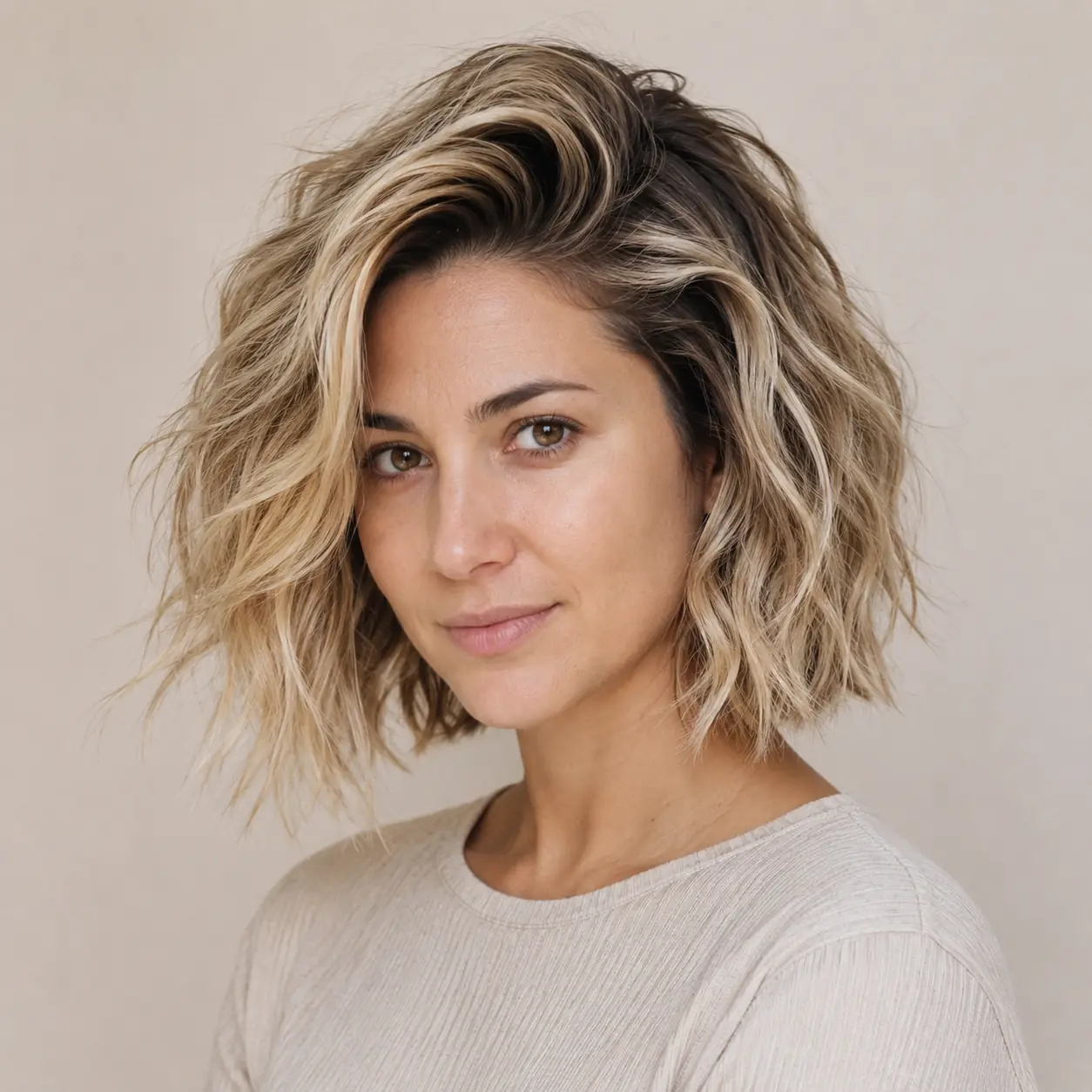
A deep side part plus loose waves gives this bob both root lift and body. The combination is ideal for fine hair that falls flat. Set the part with a round brush and scrunch in the waves.
The right fringe adds the appearance of fullness to a fine-hair bob, framing the face and drawing the eye. A wispy or curtain fringe is airy, baby bangs are graphic and bold, and a face-framing money piece adds brightness up front.
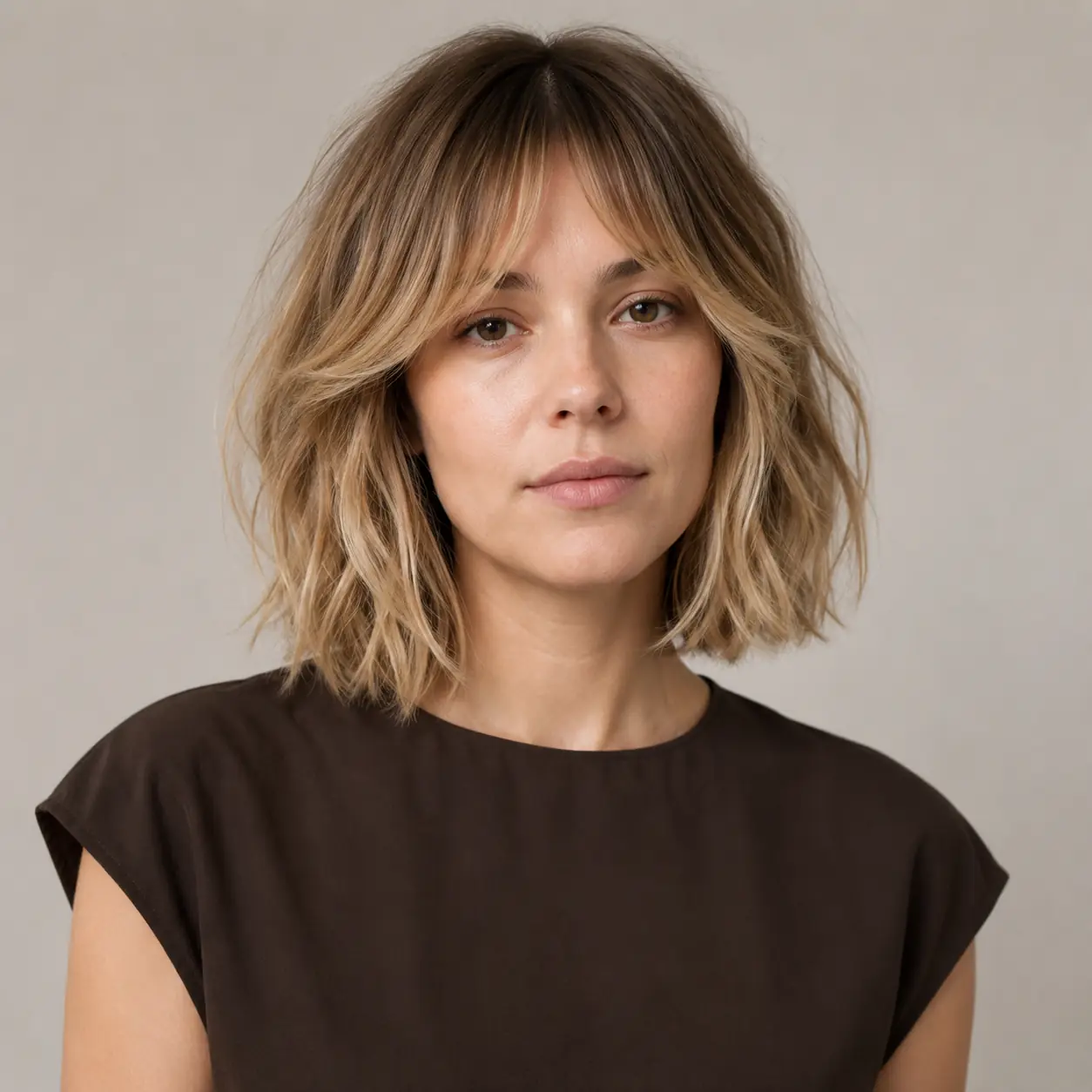
Center-split curtain bangs frame the face and keep this bob light and airy. The wispy fringe suits fine hair because it adds a touch of texture and movement without weighing it down.
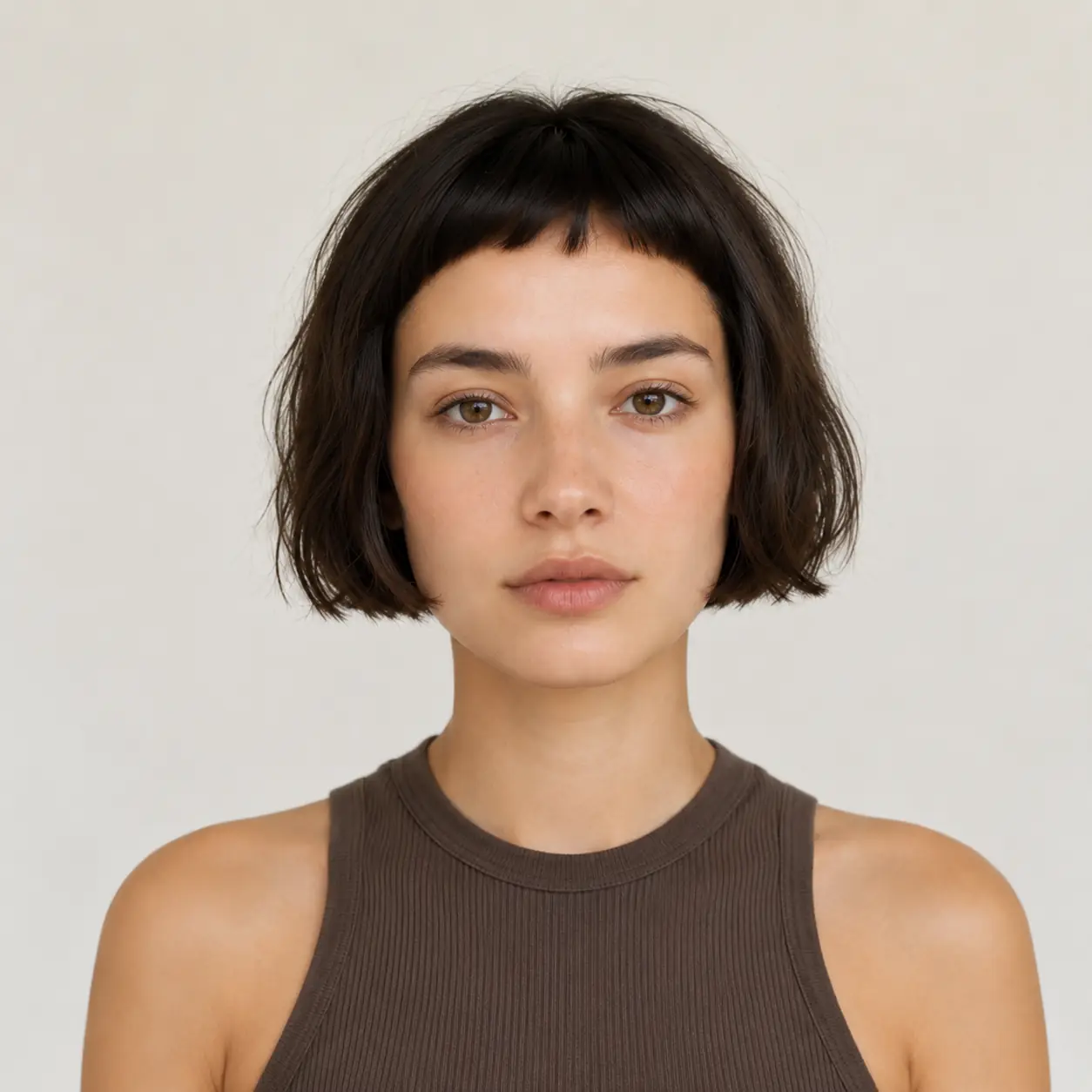
Blunt baby bangs give this dark bob a bold, graphic edge. Baby bangs read best on hair with a little natural texture.
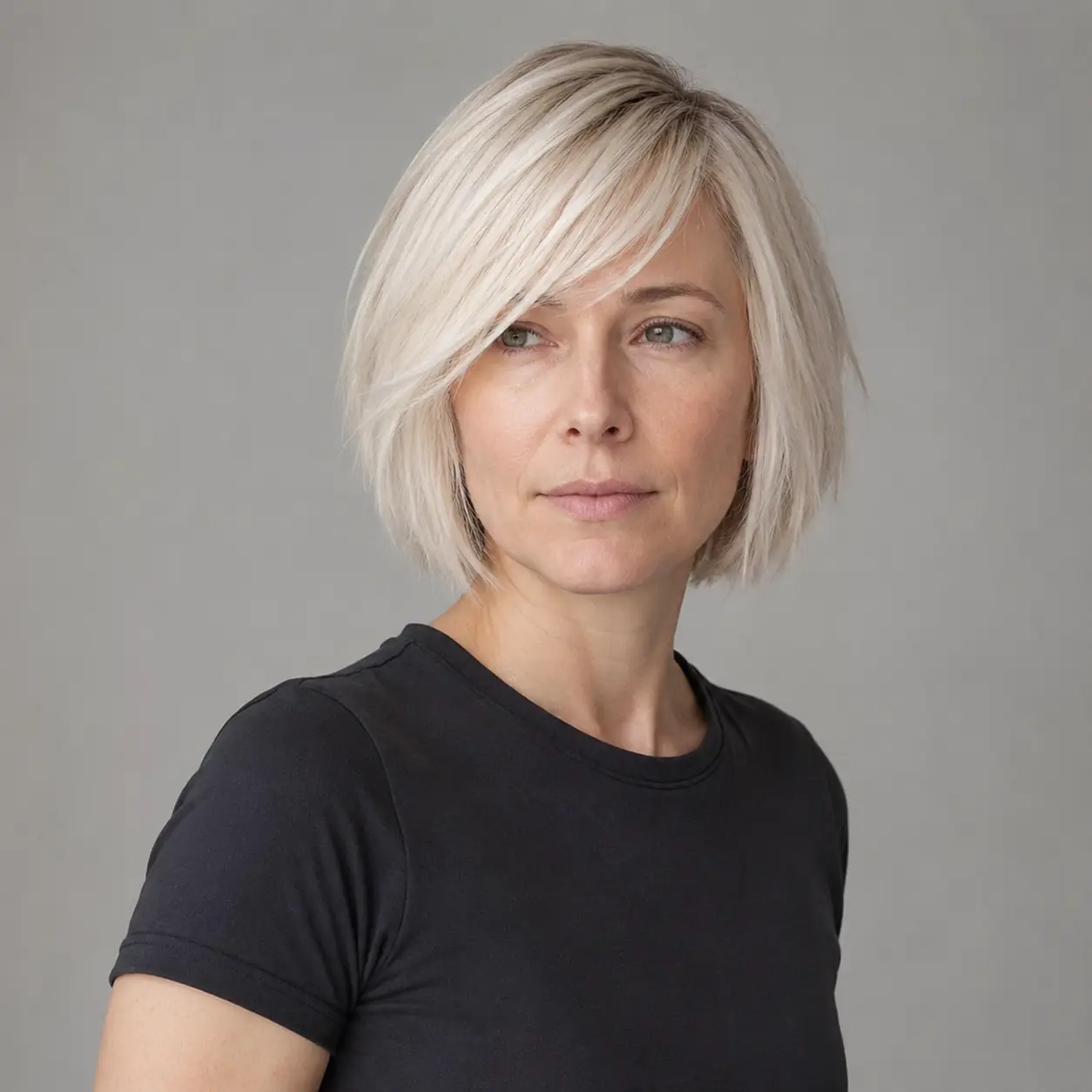
A side-swept fringe adds gentle movement and frames a mature face without heaviness. The sweep opens up the eyes. Blow-dry it to one side for a little lift at the root.

Bottleneck bangs, shorter in the center, longer at the sides, frame the face softly and blend into the length. They suit fine hair and most face shapes. Set them with double-prong hair clips for the curved shape.
Color is fine hair's secret weapon, because dimension creates the illusion of depth and thickness that a flat, single tone can't. Shadow roots, babylights, balayage, and lowlights all add the layered, multi-tonal effect that makes fine hair look fuller. Choose a technique that flatters your undertone, and keep the hair healthy, since fragile, over-processed strands read even finer.
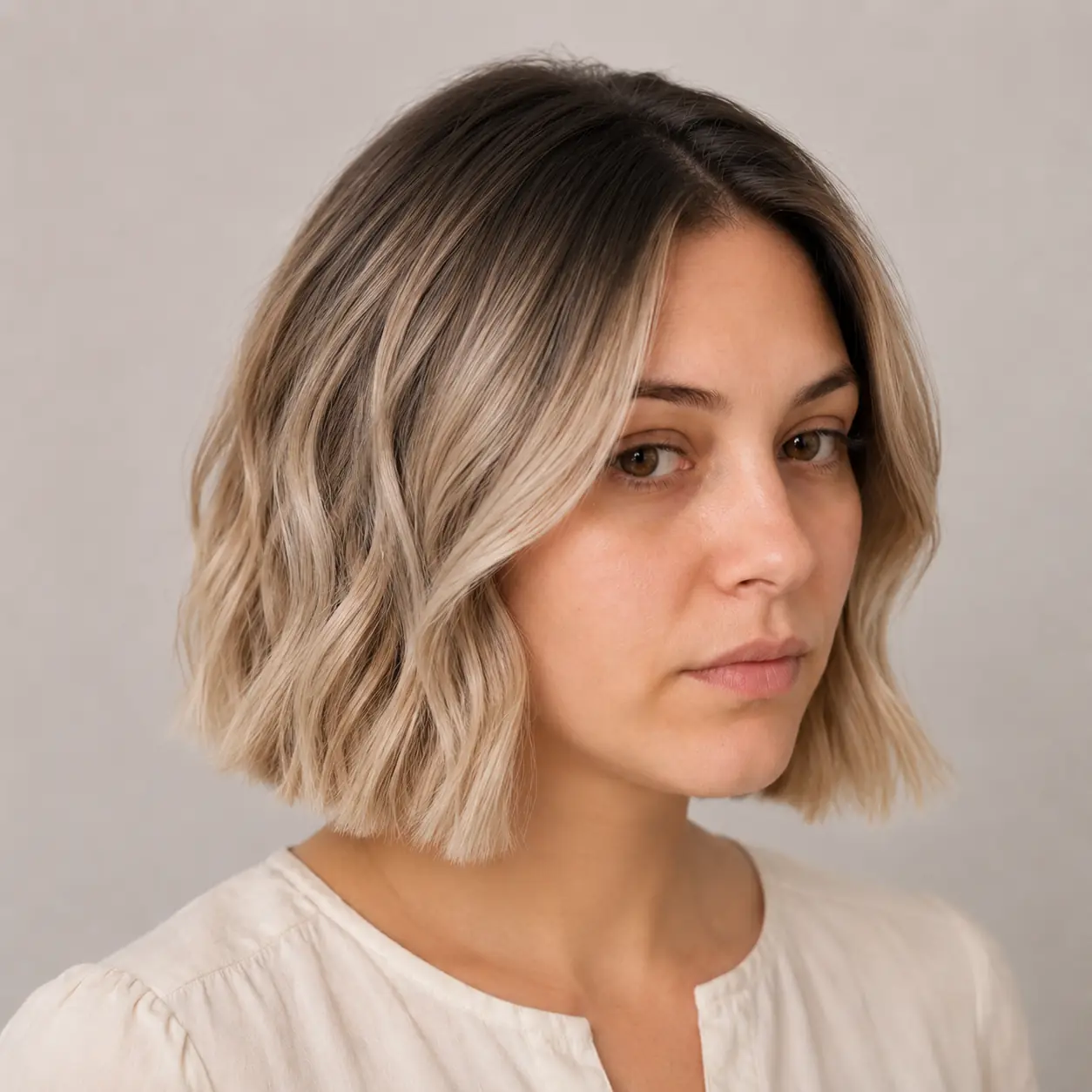
A shadow root melting into lighter lengths adds depth at the scalp that makes fine hair look denser at the crown. The deliberate root also stretches your color appointments. It's a low-maintenance way to add dimension.
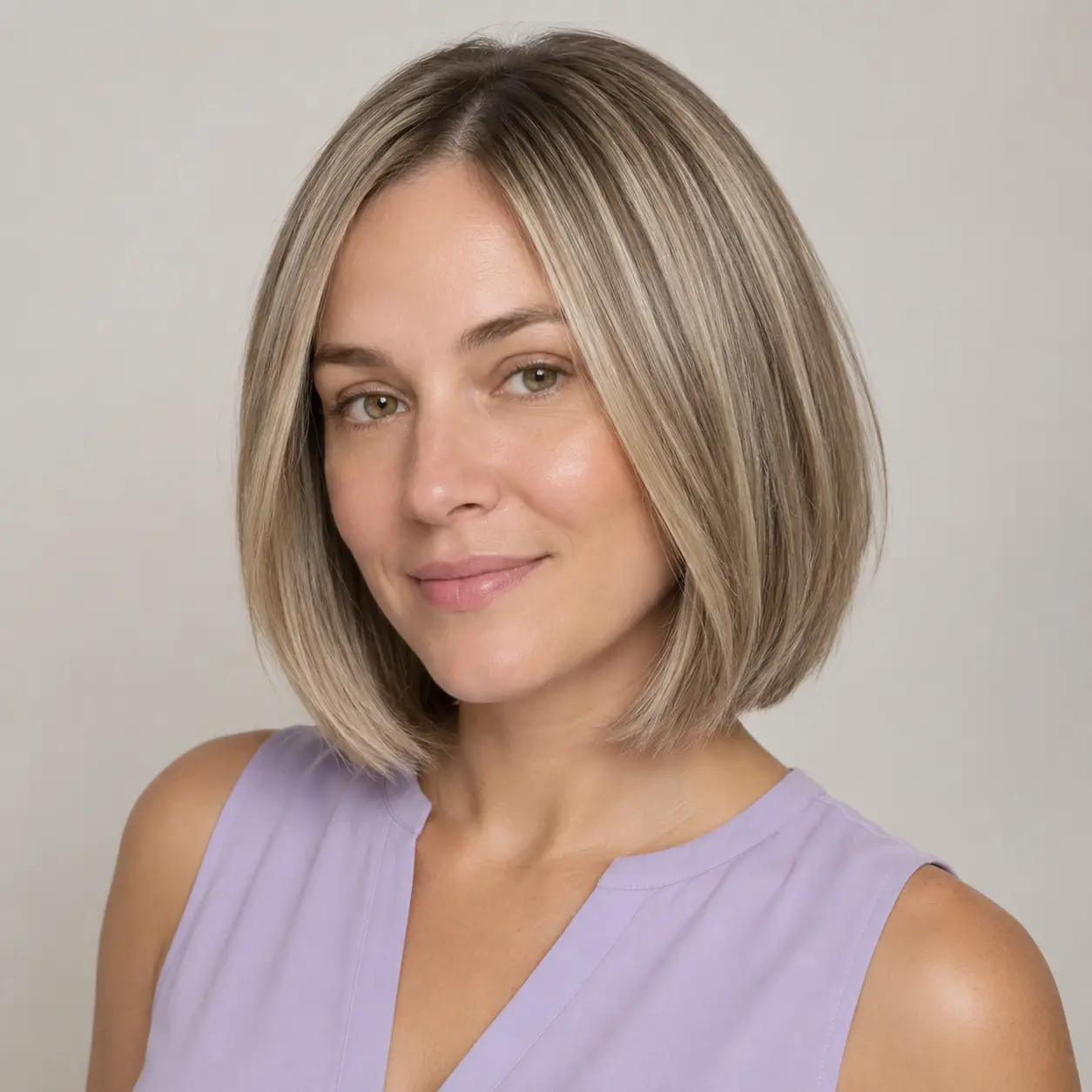
Fine, delicate babylights woven throughout create a natural-looking dimension that fakes fullness on fine hair. The subtle brightness catches the light. A gloss keeps the babylights blended and shiny.
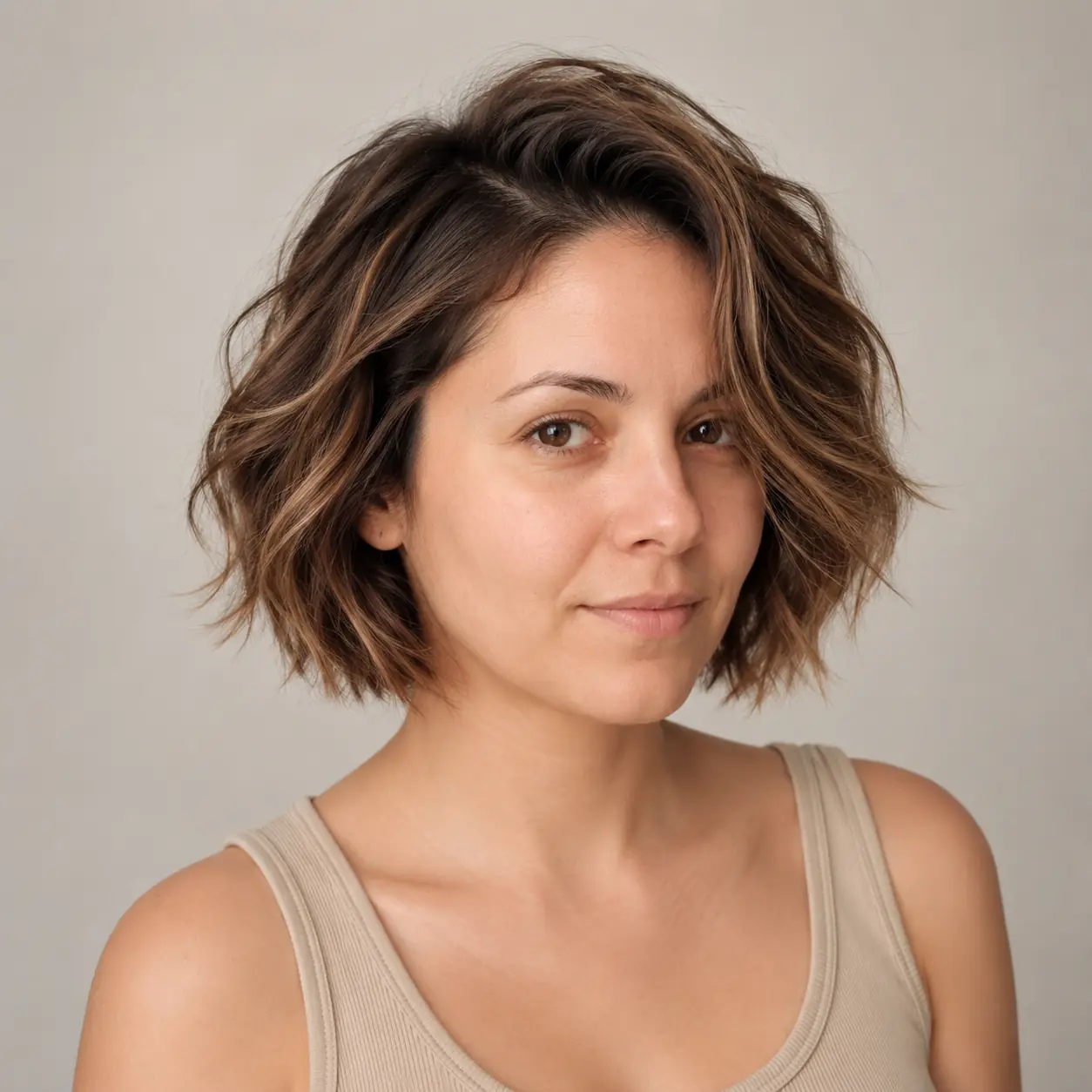
Hand-painted bronde balayage adds seamless dimension through the lengths and ends. The low-contrast melt grows out without a line and makes fine hair look thicker. A wide iron brings out the movement in the color.
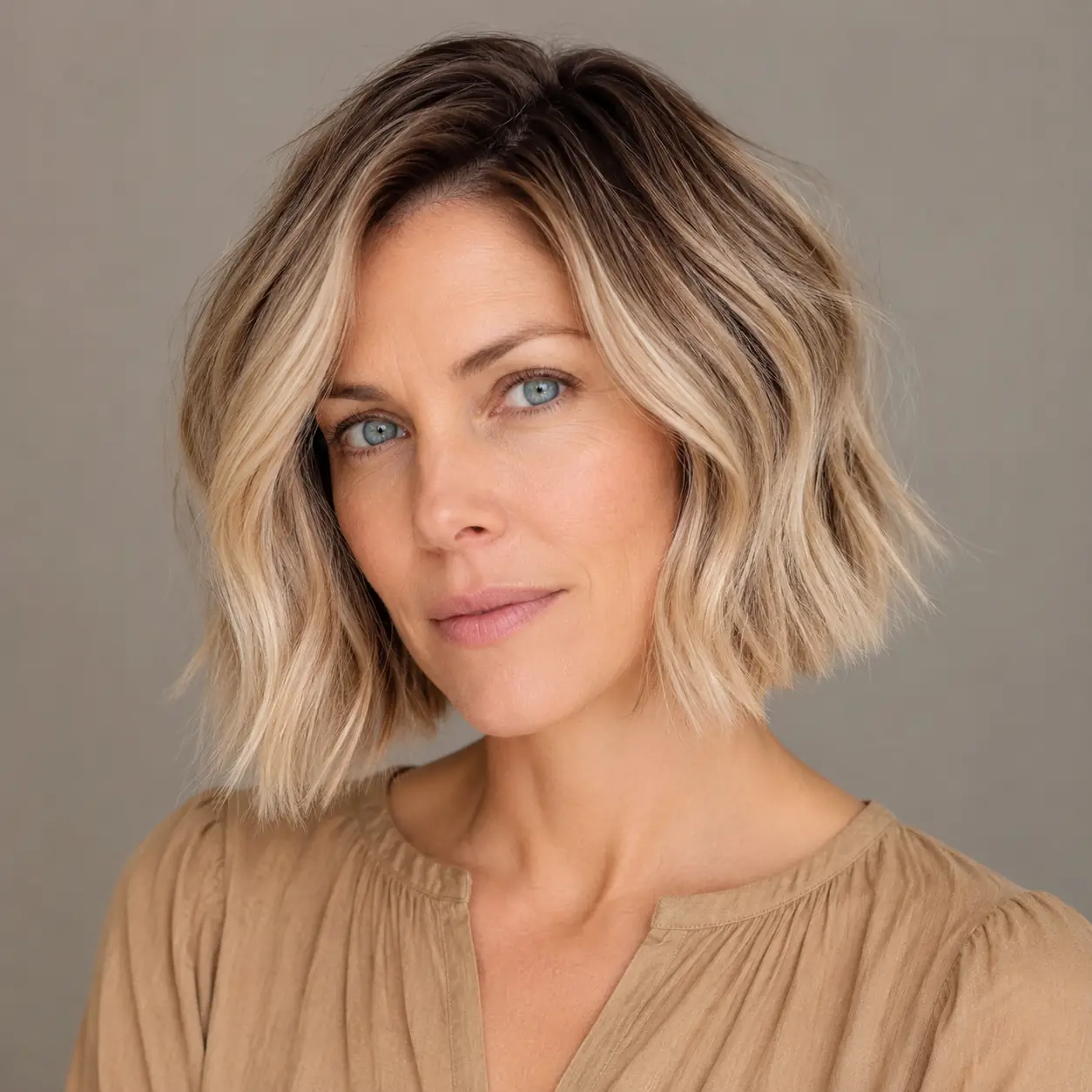
A beige-blonde bob with a root shadow keeps the color dimensional and easy to maintain. The depth at the root builds the look of density. A purple shampoo keeps the beige tone cool and clean.
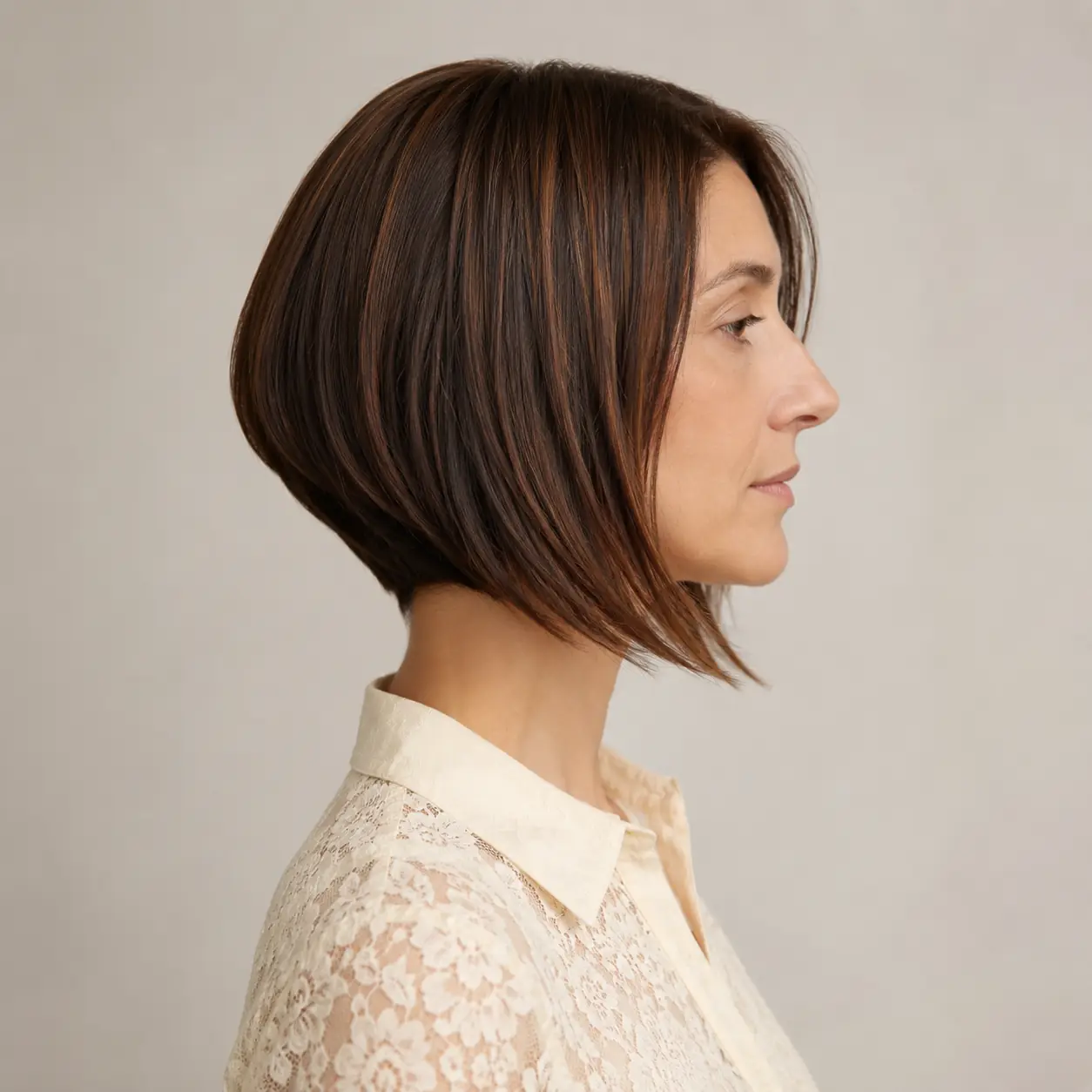
Subtle lighter pieces through a brunette bob add movement and depth without lightening the whole head. A regular gloss treatment keeps the brunette rich and reflective.
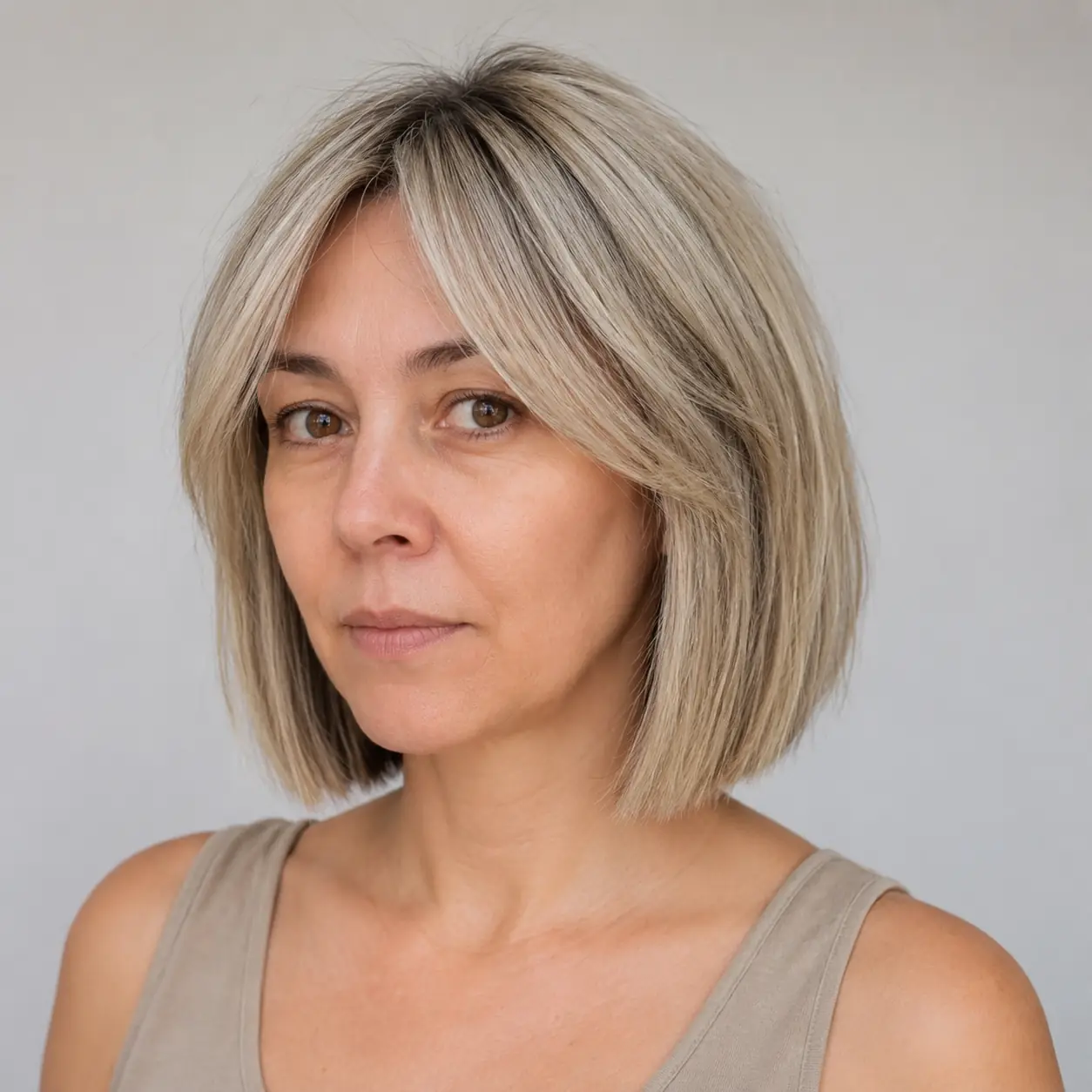
Ash-blonde with woven lowlights builds cool-toned dimension that looks well-maintained and expensive. The darker lowlights add depth a flat color might lack. A toning shampoo keeps the ash from turning brassy.
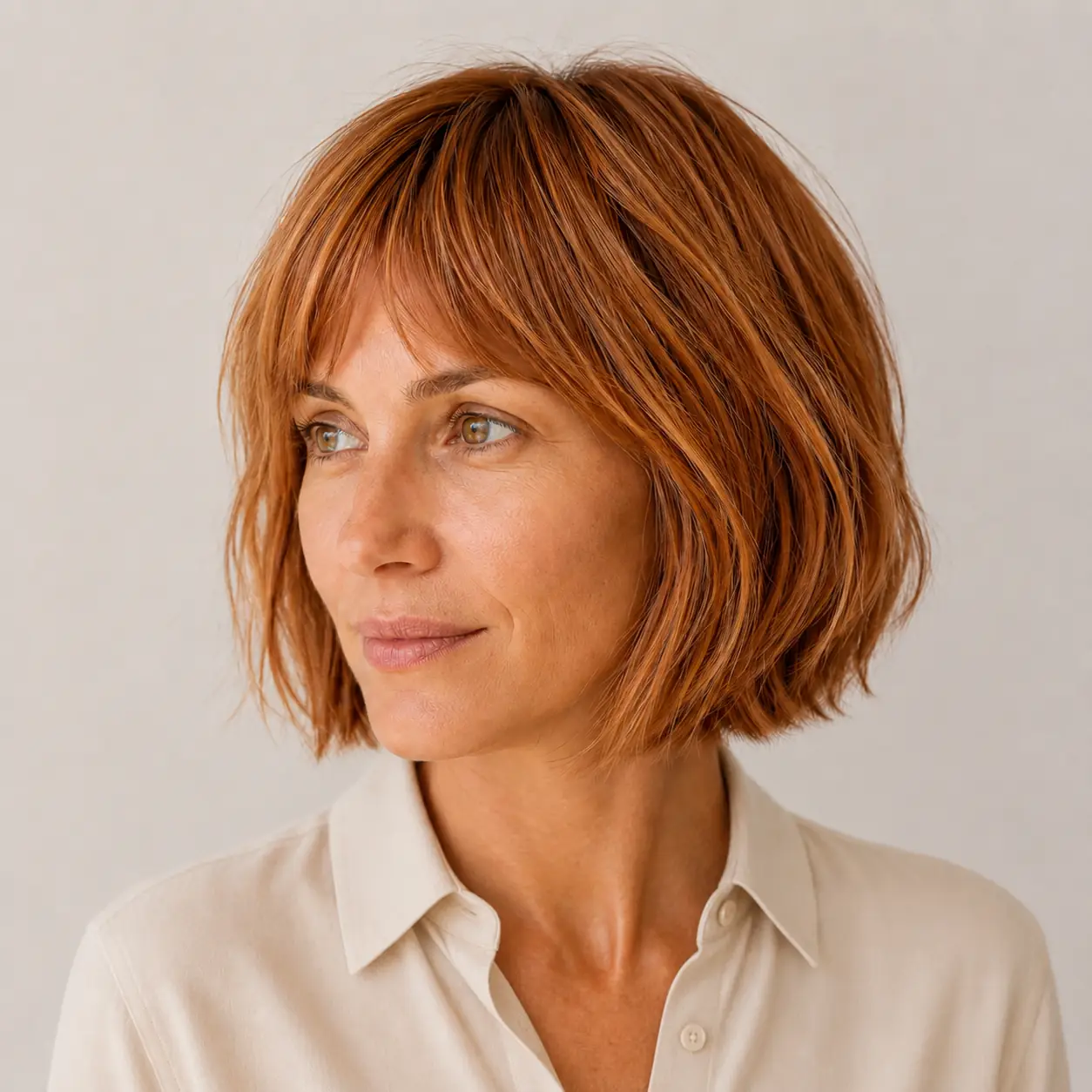
A dimensional copper bob layers warm tones for a glowing depth. The multi-tonal copper makes fine hair look thicker and catches the light. A color-depositing conditioner keeps copper from fading fast.
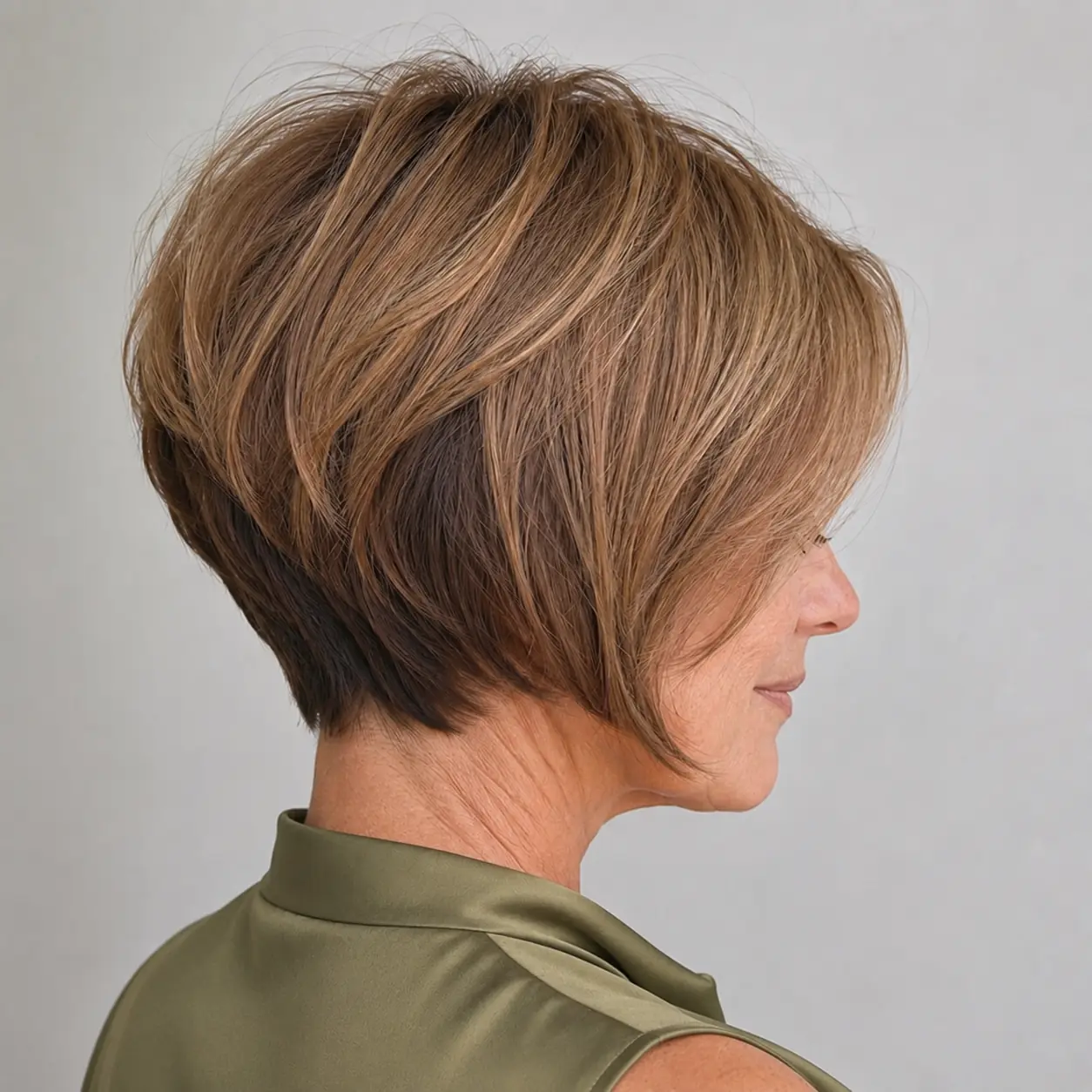
A two-tone stacked bob pairs a darker underneath with a brighter top for bold, obvious dimension. The contrast maximizes the illusion of thickness. Blow-dry the stack up to show off both tones.
The final group runs from ultra-sleek "glass hair" bobs to blow-dried volume finishes, two very distinctive ways to make fine hair look its best. A glass bob relies on a mirror-smooth, reflective finish to look dense and healthy, whereas a volumized bob builds body with the right products and styling techniques. Both reward a few minutes of styling with a polished, full result. Pick the finish that fits your routine and your hair's natural behavior.
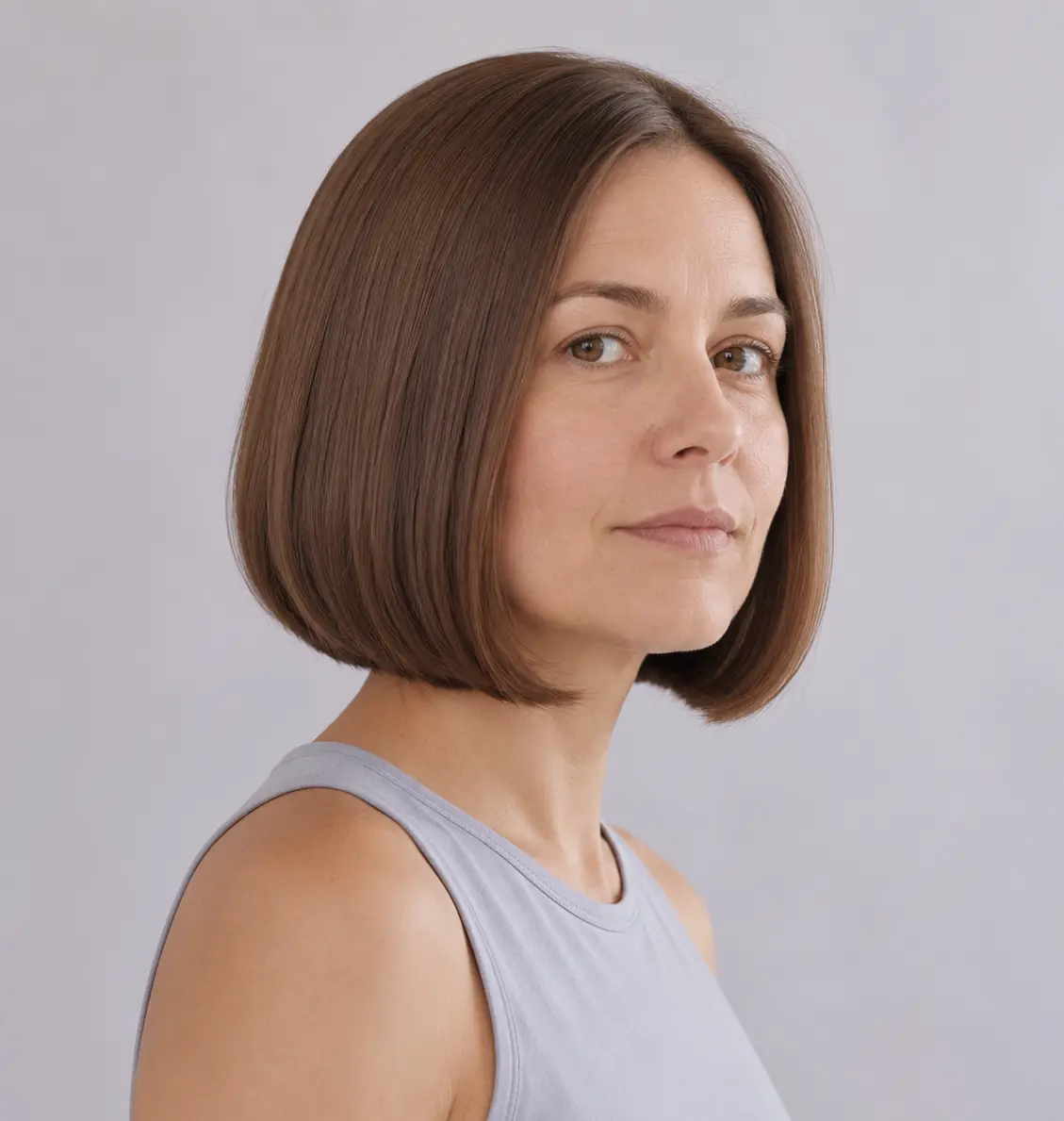
A glass-hair bob is smoothed to a mirror shine so fine hair looks glossy and dense. The reflective finish is all about the smoothing. A flat iron and a shine serum create the glass effect.
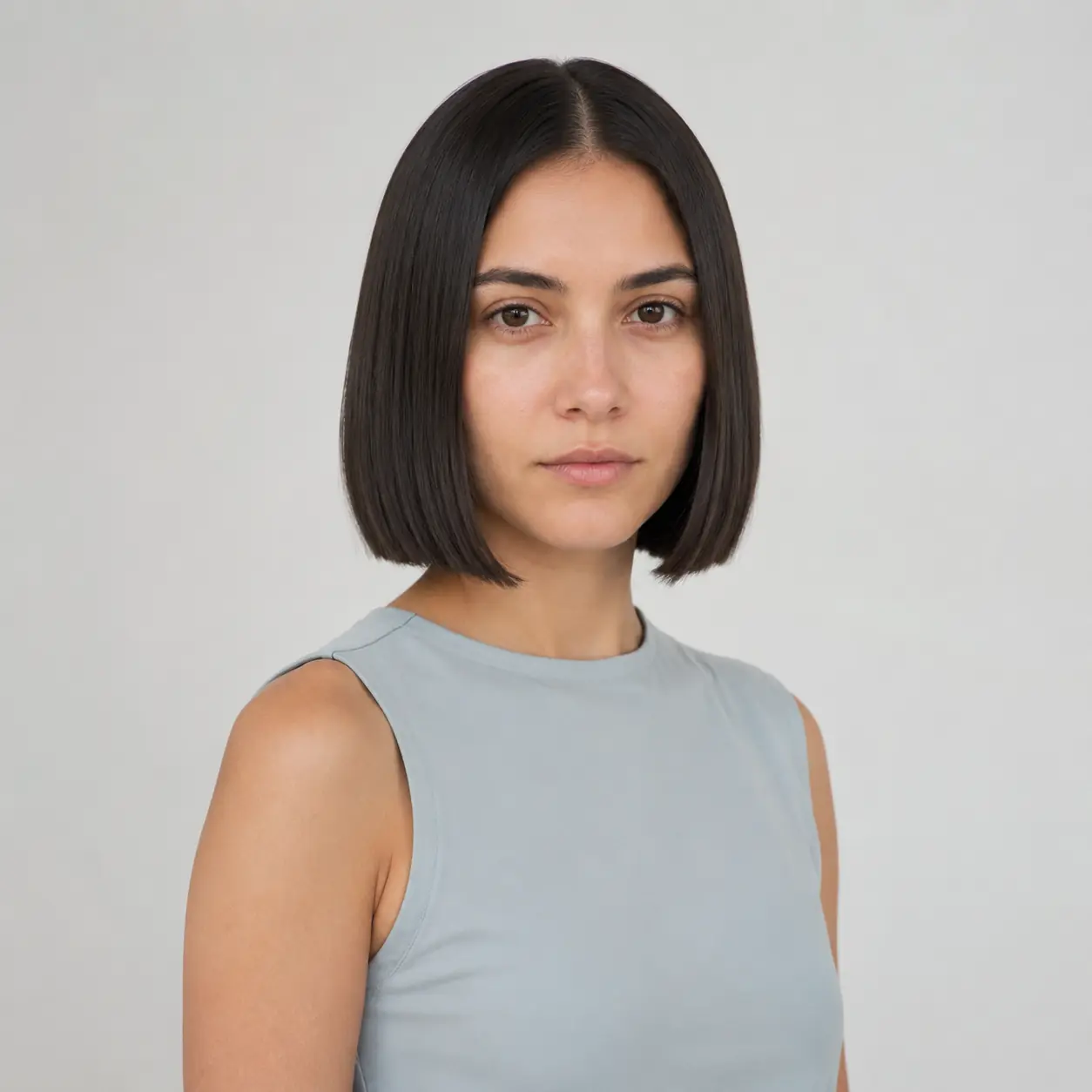
A liquid bob with polished, turned-under ends takes the glass finish and adds a curve. The high shine makes fine hair look healthy and full. A round brush turns the ends under for the signature curved shape.
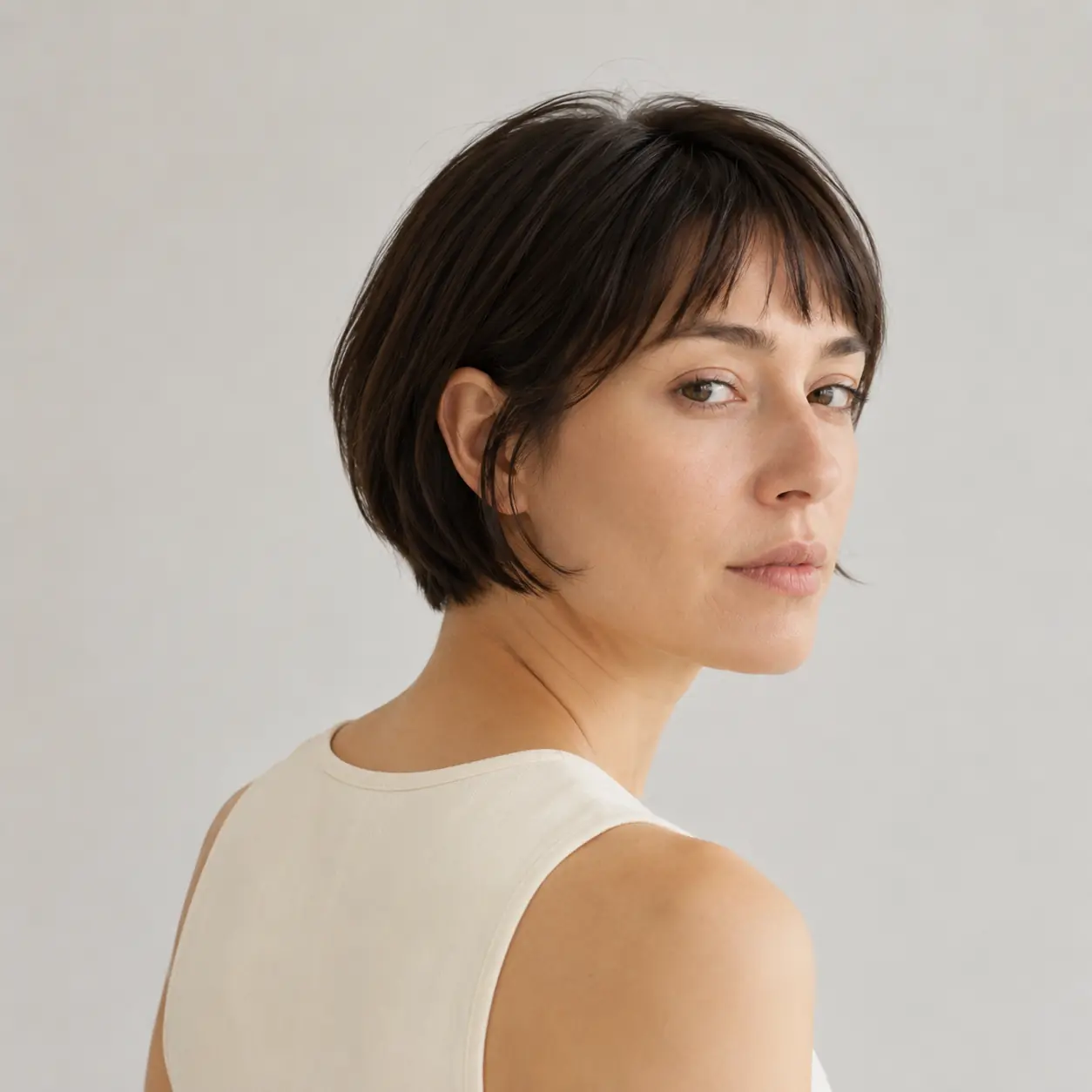
A sleek bob tucked behind one ear looks clean and effortless while showing off a dense perimeter. The tuck adds asymmetry that flatters. Smooth it with a light serum and tuck one side.

A side-swept sleek bob sweeps the length across to create an asymmetric effect. The deep part lifts the root, and the sleek finish looks dense. A flat iron keeps it smooth and glossy.

A smooth, office-ready bob with gentle balayage is polished enough for the corporate setting and easy to maintain. The dimension keeps fine hair from looking flat. A quick round-brush blow-dry is the whole routine.
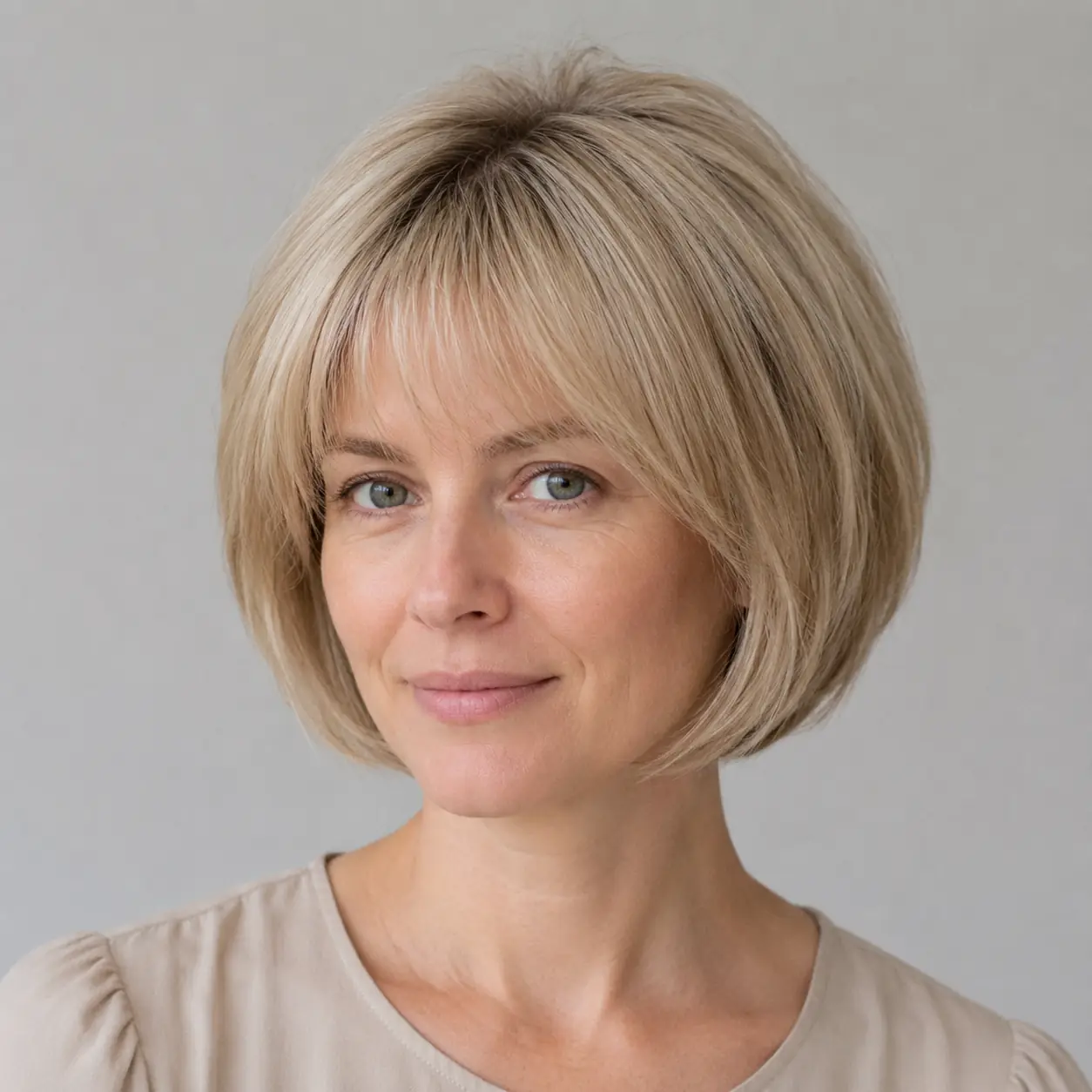
A round bob blow-dried for maximum volume builds bouncy body on fine hair. The round-brush technique lifts the roots and turns the ends under. A volumizing mousse at the roots holds the lift.

A tousled bob lifted with mousse and a wispy fringe looks full and undone. The mousse builds body, and the texture hides any flatness. Scrunch mousse into damp hair and rough-dry.

A simple wash-and-go bob is cut to fall into shape with minimal effort, ideal for a busy routine. The blunt perimeter keeps it dense-looking. Air-dry and finish with a quick smooth of the ends.
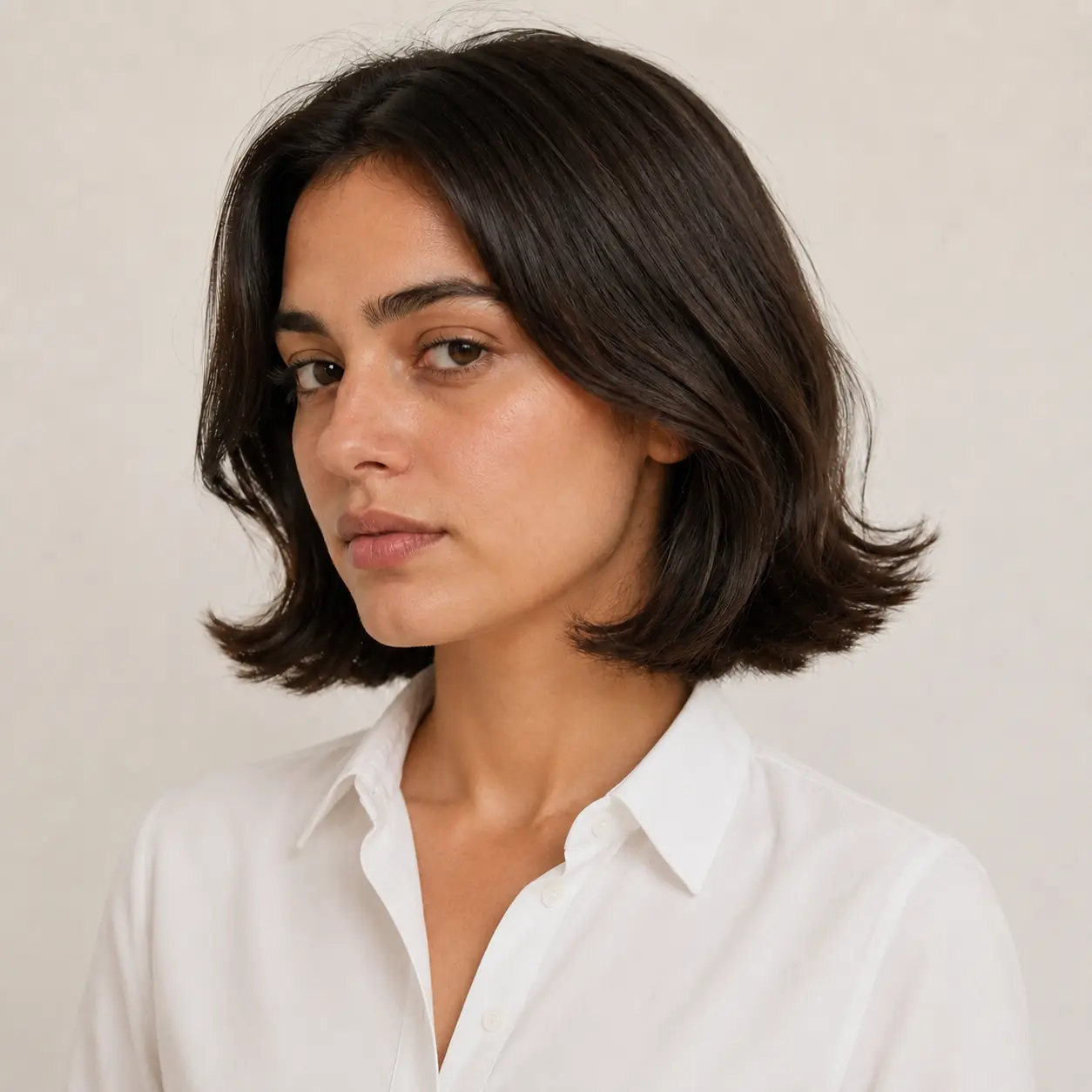
Layers flicked out at the ends give this bob a bouncy '90s swing full of movement. The flippy finish adds the look of body to fine hair. A round brush turned outward at the ends creates the flip.
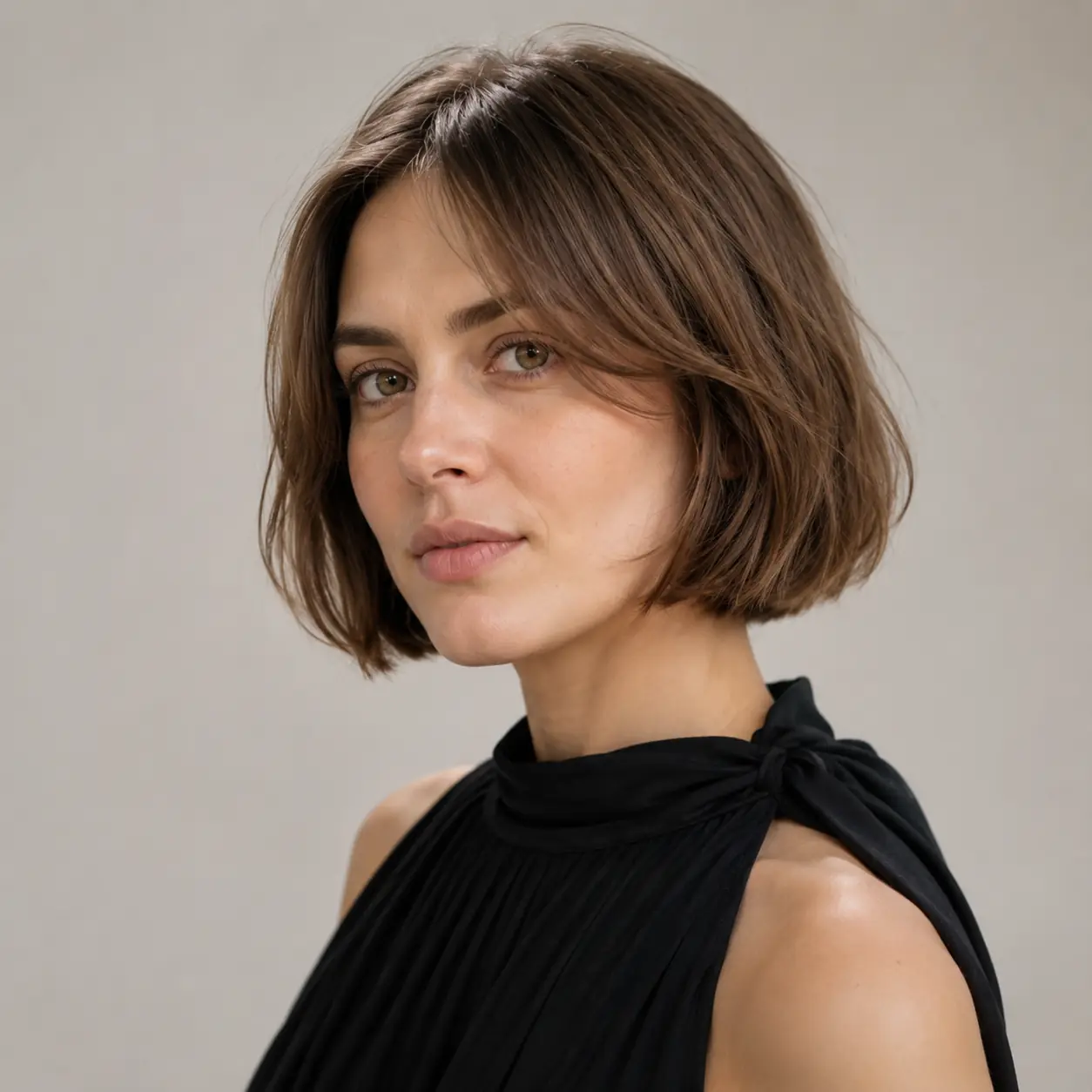
A chin-length bob with a bend at the ends adds gentle movement and body. The subtle curve lifts the shape without a full wave. A wide iron or round brush bends the ends inward.
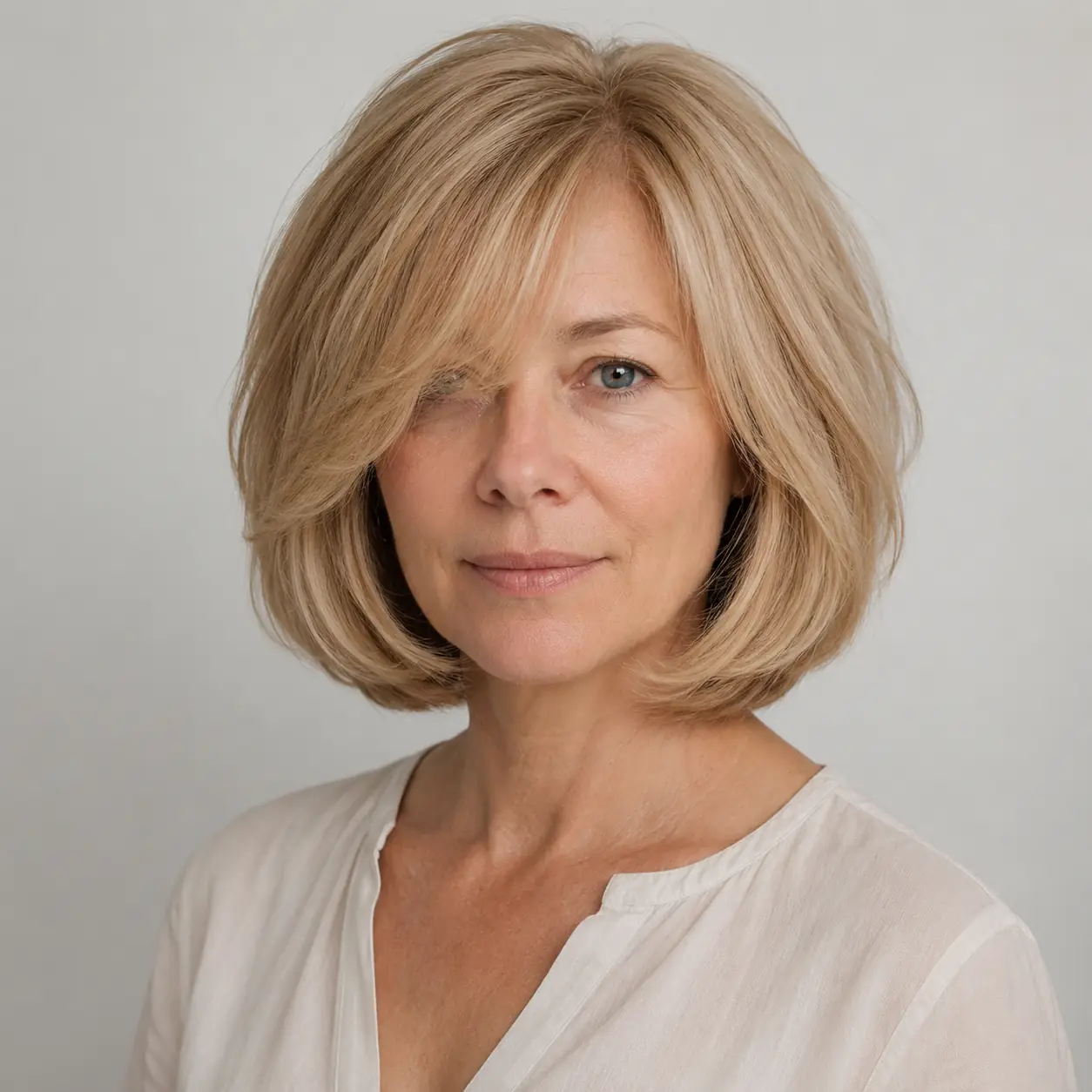
A rounded bob curved under at the ends builds a full, classic shape that flatters fine hair. The inward curve adds body at the perimeter. Turn the ends under with a round brush as you dry.
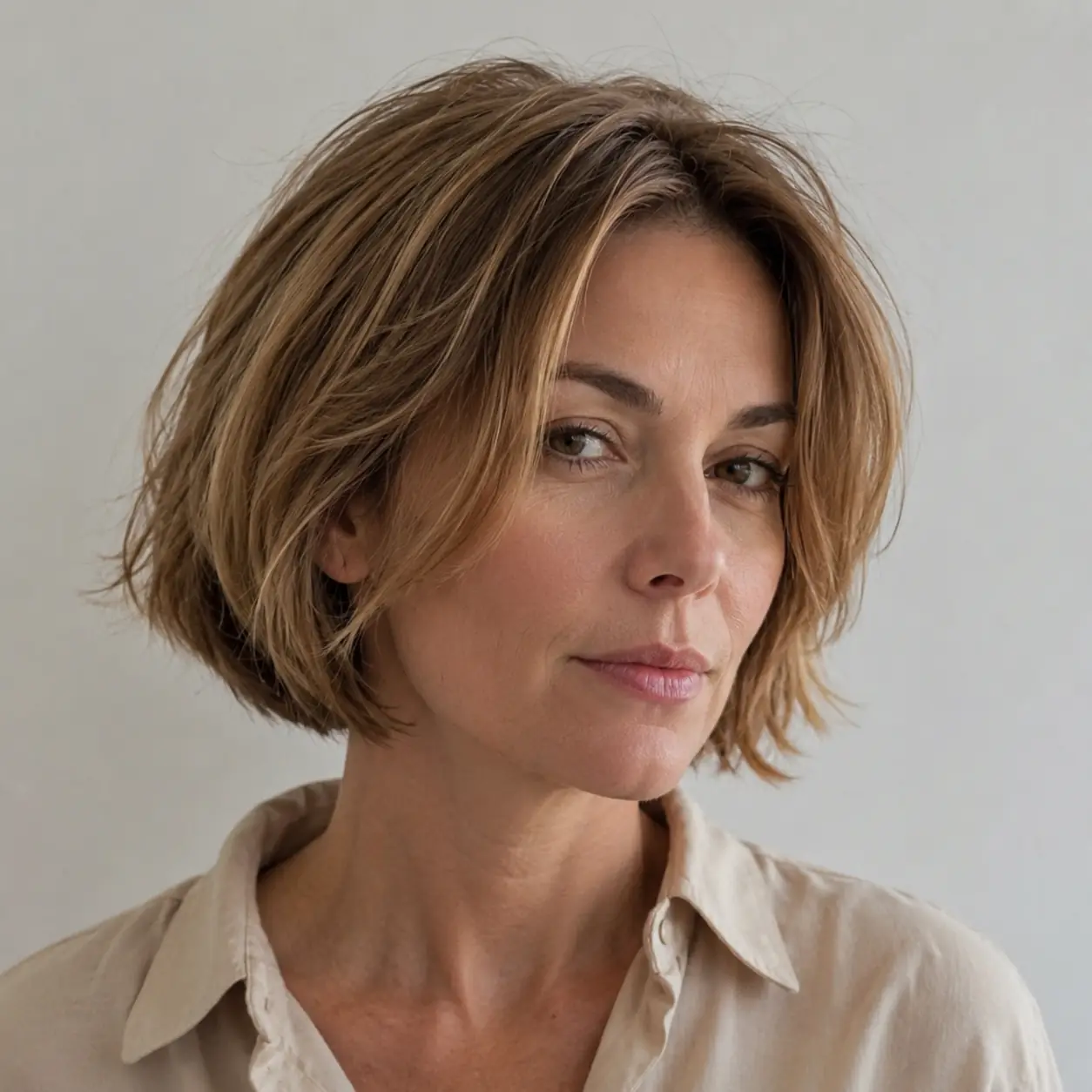
A lightweight layered bob with carefully placed, point-cut layers adds movement without over-thinning fine hair. The restraint is the point, just enough layering for bounce, never so much that the ends go wispy. Ask specifically for "no razoring" to protect the density.
For fine hair, the goal is volume placement, building lift and density where your hair falls flat and keeping the shape balanced for your face. Stacked and graduated bobs create the most crown volume, whereas blunt bobs build density at the perimeter. Use the table as a starting point and adjust with your stylist.
Round faces are flattered by an angled A-line or inverted bob that falls just past the jaw, which adds vertical lift, whereas a chin-length blunt bob with a center part emphasizes width. If you're weighing a bob against a longer cut, our medium-length cuts for thin hair show how the same density principles work a little longer.
Fine hair is unforgiving of the wrong technique, so the words you use in the chair matter. The single most important instruction is to keep the weight in, as most fine-hair regrets come from a stylist thinning or razoring hair that had no bulk to spare. Bring reference photos and use this language:
Stylist tip: tell your stylist explicitly, "please don't thin or razor my hair, keep it blunt." Fine hair looks fullest when every strand keeps its weight; the illusion of density comes from the bob's shape and the color's depth. This one instruction prevents the most common fine-hair salon regret.
A fine-hair bob is quick to style but relies on the right products and a regular trim to keep its shape and volume. The goal is lightweight lift, body without the weight that flattens fine strands. Here's the honest picture.
A bob flatters most fine hair, but a few situations call for a different approach:
Because a bob changes how fine hair sits and moves, it helps to preview a shape on your own face before committing. You can test blunt, stacked, and angled bobs plus 2026 colors with a hairstyle try-on tool. Seeing a trendy French bob or a dimensional lob on your own features rather than a model's makes the decision far easier.
A blunt bob or a stacked bob is usually best, because the blunt perimeter looks fuller, and the stacking builds crown volume. Both keep weight in the hair. Ask for point cutting, and consider a chin-to-jaw length where the hair's own weight creates fullness.
Mostly blunt, with only minimal layering. A blunt perimeter keeps the ends dense and full, while heavy layers thin fine hair and leave the ends wispy. If you want movement, ask for a few point-cut internal layers placed to lift the crown.
Yes, a bob is one of the most effective cuts for the illusion of thickness, because removing length removes the weight that drags fine hair flat. A blunt edge looks dense, graduation adds crown volume, and dimensional color fakes depth. The three together make even very fine hair look noticeably fuller.
Blunt and French bobs need a trim every 5–6 weeks, and stacked or angled bobs every 4–6 weeks to hold their graduation. Fine hair loses its shape and volume faster than thick hair, so regular trims matter. Any fringe needs a separate trim every 3–4 weeks.
Dimensional color makes fine hair look fullest. Techniques like shadow roots, babylights, balayage, and lowlights all create depth, unlike a flat single tone. A shadow root in particular makes the crown look denser and hides thinning at the scalp. Keep the hair healthy, since fragile, over-processed strands look even finer.
Absolutely. A wavy bob is one of the best choices for fine hair, since the bend of the wave creates body where a straight cut has to build with heat. Ask for a chin-length bob with gentle internal texture, and style with a sea-salt spray or light mousse scrunched into damp hair. Avoid heavy razoring, which thins the ends and weakens the wave.
A stacked bob has graduated layers built up at the back to create rounded volume, usually at a fairly even length around. An inverted bob takes that stacked back and angles the front noticeably longer, creating a steeper, more dramatic line from back to front. Both build crown volume that flatters fine hair.
Hair results vary based on your natural hair type, texture, density, and condition. Always consult with a licensed hairstylist before making significant changes, especially with chemical treatments or dramatic length changes. Photos may show styled results that require professional tools and products to replicate.
Upload a selfie and preview any of these cuts with our AI Hairstyle Try-On before you book.
As a creative person, musician and actress at heart, Stacey Bradshaw has experimented a lot with her hairstyles just out of curiosity: blunt and side swept bangs, layered haircut, long bob, highlights, dark toning etc. “Life is too long to be afraid of changes. Monotony is dull” is her motto. She is a freelance writer, keen reader, and just a curious person, who loves exploring new useful information on nutrition and beauty tips for keeping hair healthy and pretty.
View full profile